Radioisotope science is the foundation of the nation’s isotope supply. At Oak Ridge National Laboratory, researchers are constantly improving how radioisotopes are produced, separated, purified, characterized, and prepared for use in medicine, national security, energy, industry, and scientific discovery.
From Nuclear Reaction to Valuable Isotope
Radioisotope science studies how radioactive isotopes are created, how they behave, and how they can be separated and prepared for use. The field brings together nuclear chemistry, radiochemistry, nuclear physics, materials science, and engineering.
That science enables researchers to identify new and better ways to produce isotopes, improve isotope purity, reduce or repurpose byproducts, and develop processes that can move from laboratory research toward routine production for government and private industry.
How Outdated Cancer Tech is Making New Therapies Possible
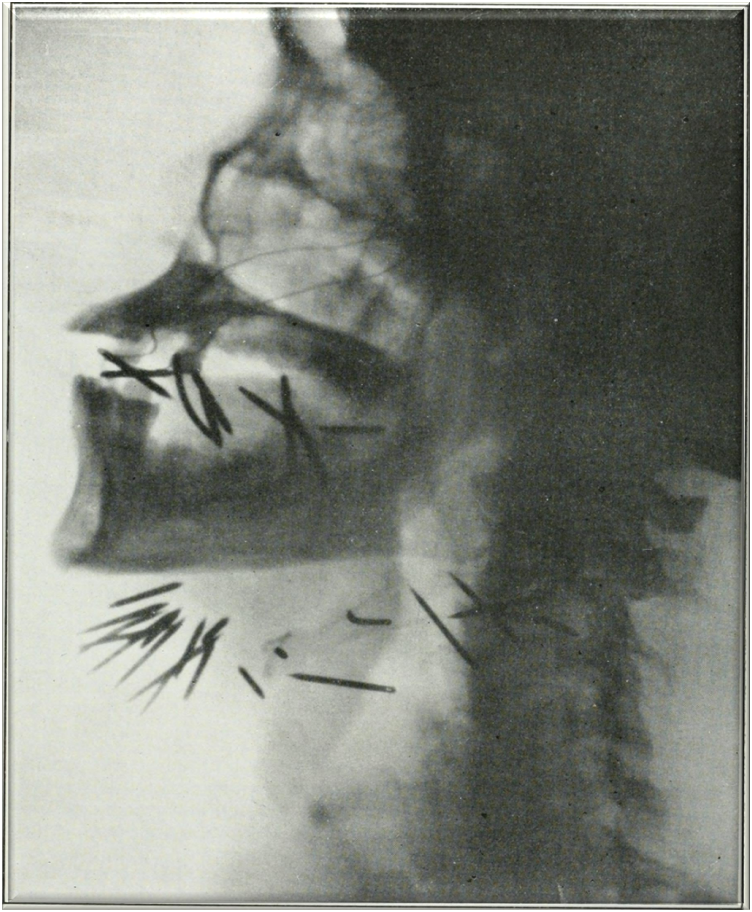
Decades ago, doctors used to implant radium needles in tumors to stop their growth.
ORNL is mining radium from those same old needles, tubes, and plaques that once sat in landfills. The Department of Energy is closing a critical supply gap that began more than a century ago. Yesterday’s medical waste has become today’s medical breakthrough.
Specialized Facilities That Make Radioisotope Science Possible
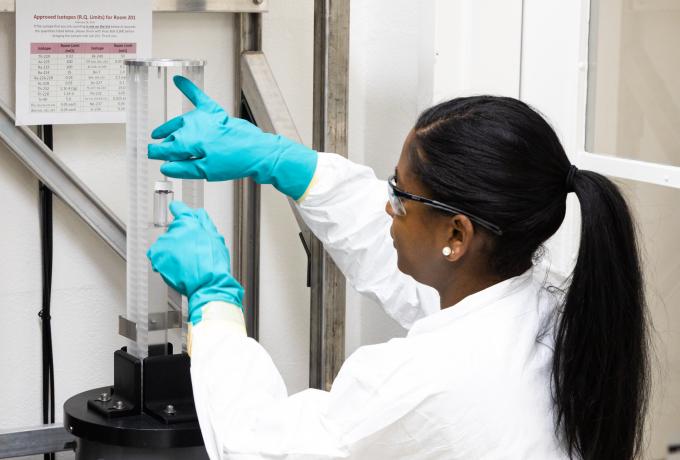
Radioisotope science depends on highly specialized facilities designed to safely produce, handle, separate, and analyze radioactive materials. These capabilities require controlled environments, advanced shielding, and connected teams supporting isotopes from their creation through their shipment to users.
Radioisotope science explores how radioactive isotopes are produced, separated, purified, characterized, and prepared for specific uses. At ORNL, we combine expertise in nuclear chemistry, radiochemistry, nuclear physics, materials science, and engineering to move isotope innovations from laboratory research toward reliable production.
ORNL has decades of experience producing and processing rare isotopes, supported by specialized facilities and multidisciplinary teams. Our capabilities span the isotope lifecycle—from designing irradiation targets and producing isotopes to chemical separation, quality verification, packaging, and shipment. ORNL is also a major production and processing center for the Department of Energy’s isotope mission.
Many radioisotopes begin with a carefully designed target that is exposed to neutrons or other particles. At ORNL, materials can be irradiated in the High Flux Isotope Reactor, the nation’s most powerful reactor-based source of neutrons. The resulting material is then recovered, chemically separated, purified, characterized, and prepared for its intended application.
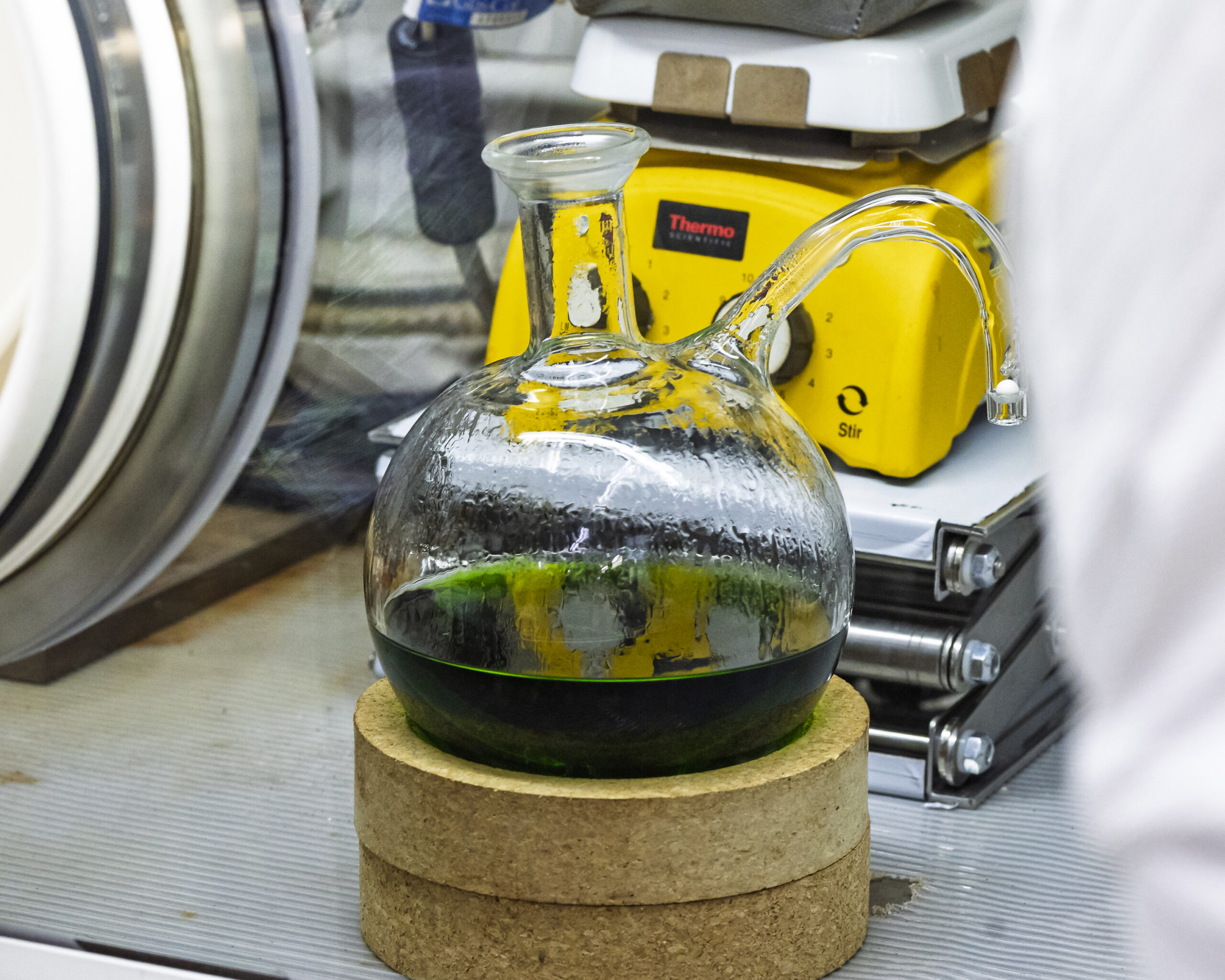
Irradiation usually produces a complex mixture containing the desired isotope, remaining target material, and radioactive byproducts. ORNL researchers develop radiochemical processes to isolate the isotope, remove impurities, confirm its identity and quality, and place it in an appropriate form for research, medical, security, or industrial use.
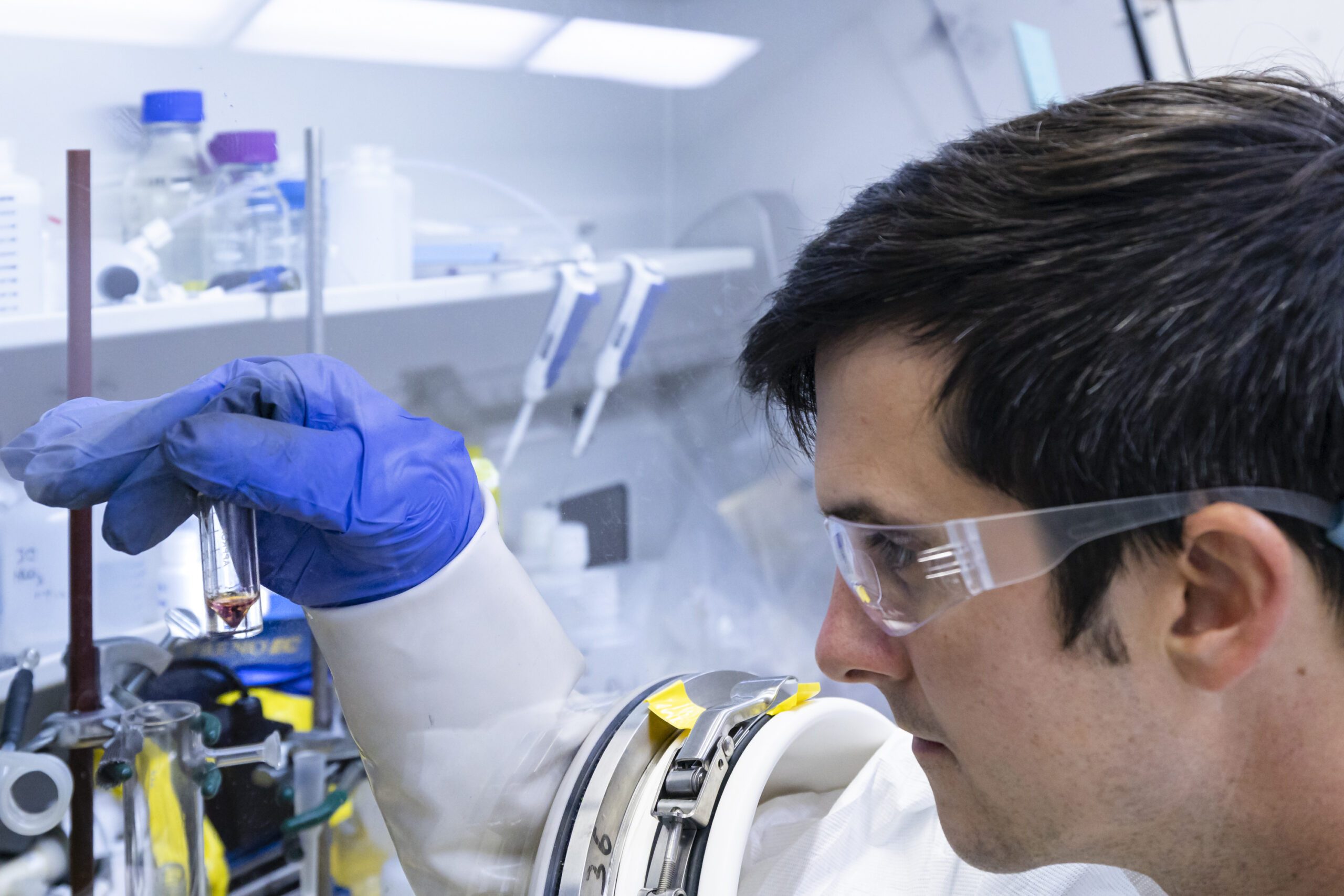
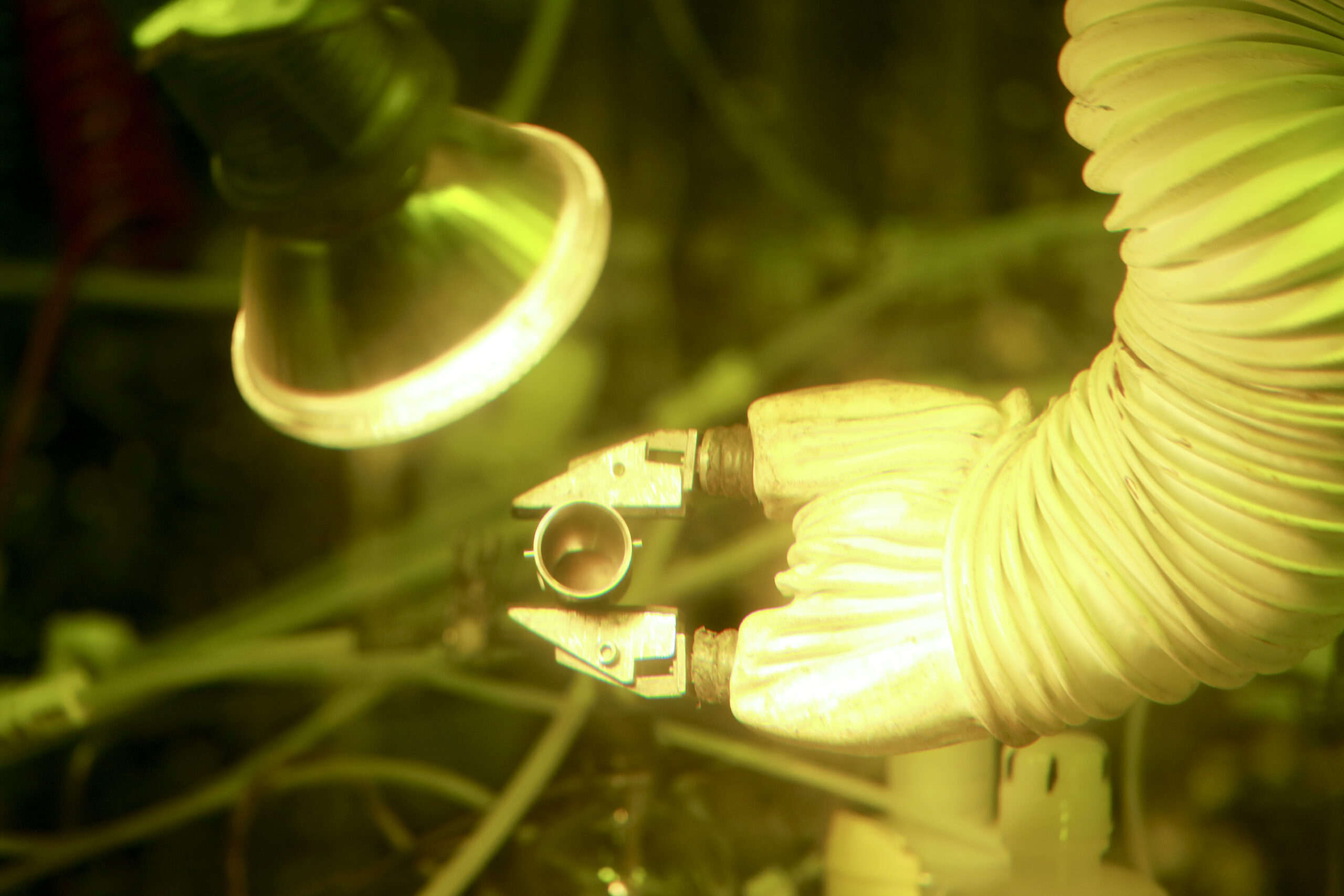
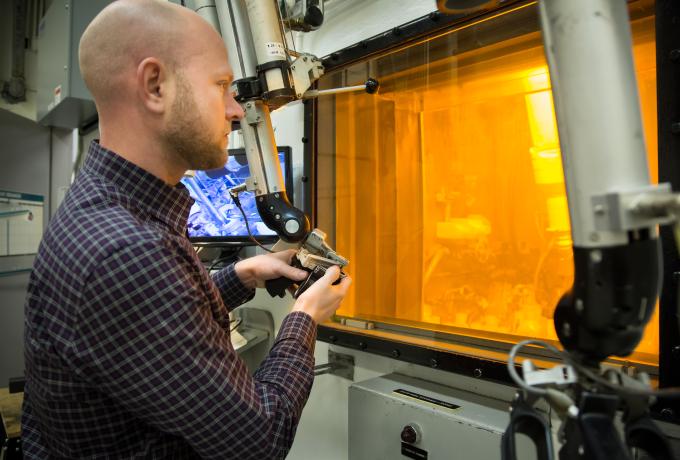
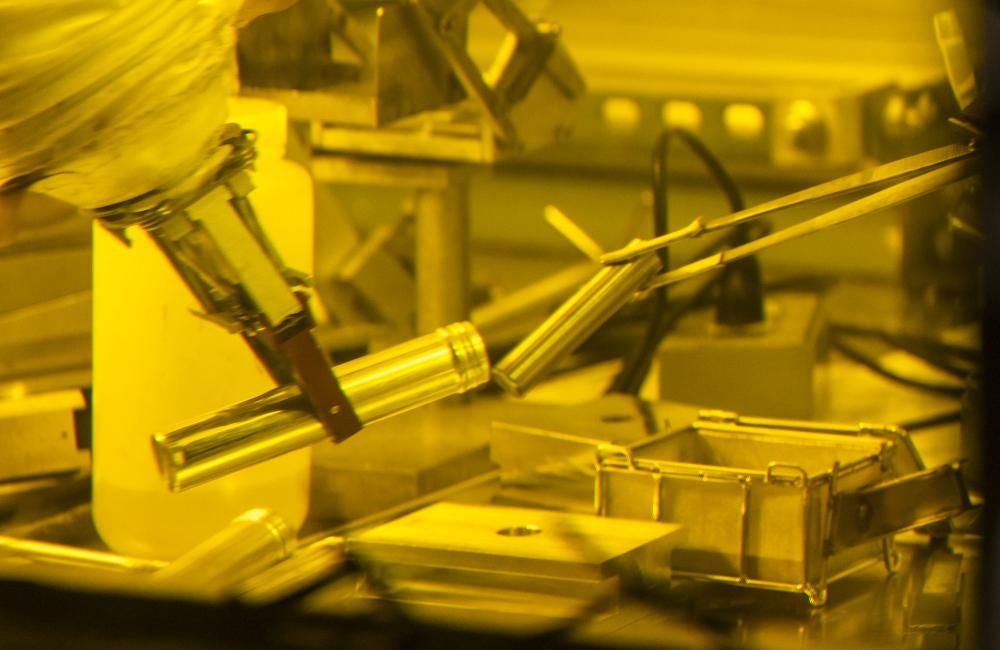
Much of this work takes place in specialized facilities such as ORNL’s Radiochemical Engineering Development Center. Its heavily shielded hot cells, gloveboxes, radiochemical laboratories, and remote-handling systems allow our teams to safely process materials that cannot be handled in conventional laboratories.
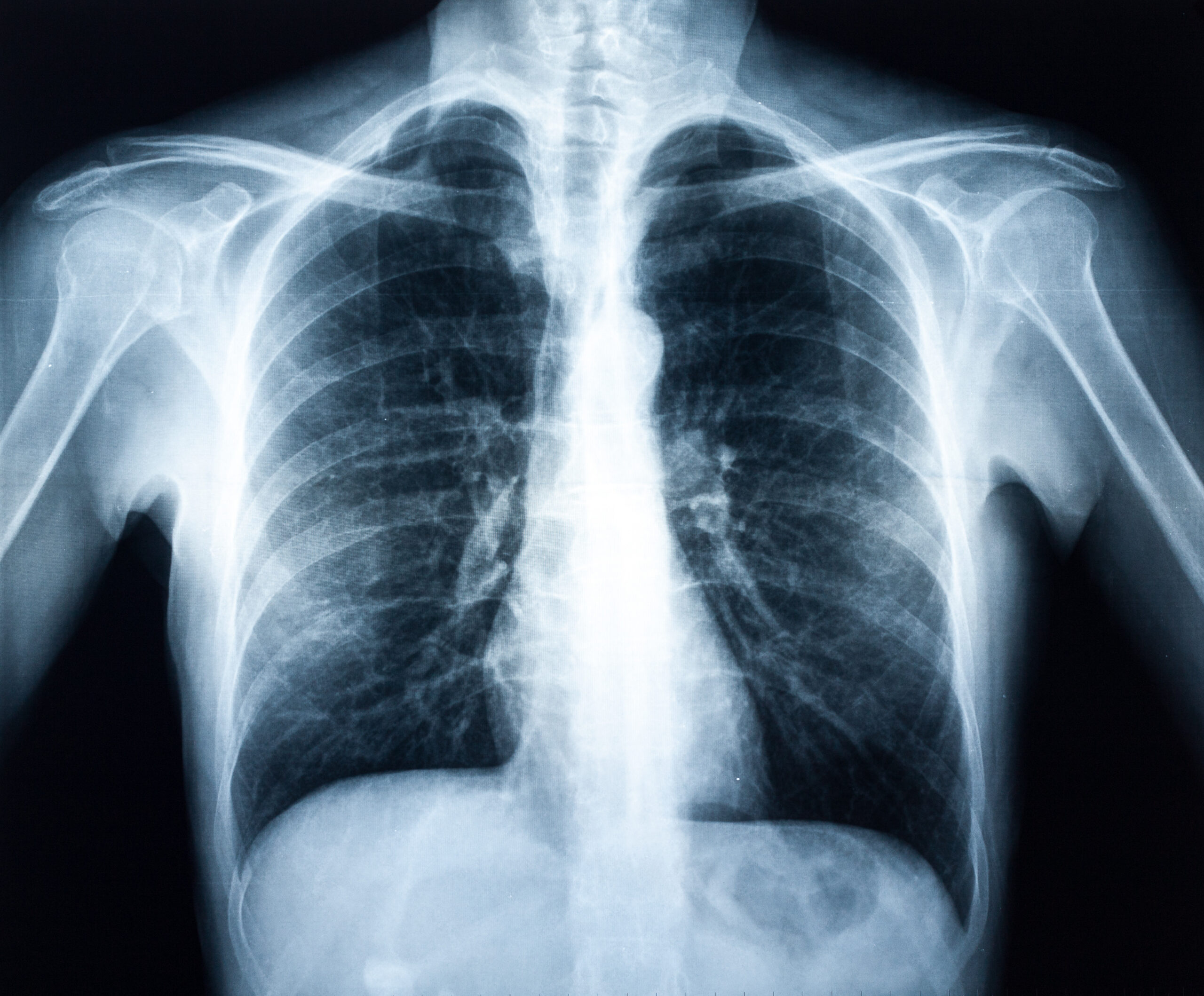
Radioisotopes produced or processed at ORNL support cancer research and treatment, diagnostic development, radiation detection, nuclear forensics, industrial radiography, energy research, space exploration, and fundamental scientific discovery. Our scientists also study new production pathways and applications for rare isotopes.