Transportation
ORNL is driving the future of U.S. transportation, saving time, energy, money and, most importantly, lives.
Read all transportation newsTransportation Research for U.S. Energy Systems
Transportation is a critical part of the U.S. energy system, connecting the nation’s supply chain, moving raw materials, components, and finished products across roads, railways, ports, and air. Changing energy demands including disruptions from congestion, severe weather, aging infrastructure, fuel constraints or cyber threats can create new challenges for the reliable and affordable movement of materials, people and products across the nation.
Oak Ridge National Laboratory approaches transportation as an integrated energy and logistics system. Researchers combine vehicle and powertrain engineering, fuels science, critical-materials research, artificial intelligence, high-performance computing, transportation analysis, cybersecurity and real-world experimentation to expand energy efficiency, strengthen reliability, and move new technologies toward deployment.
Transportation technologies for abundant energy
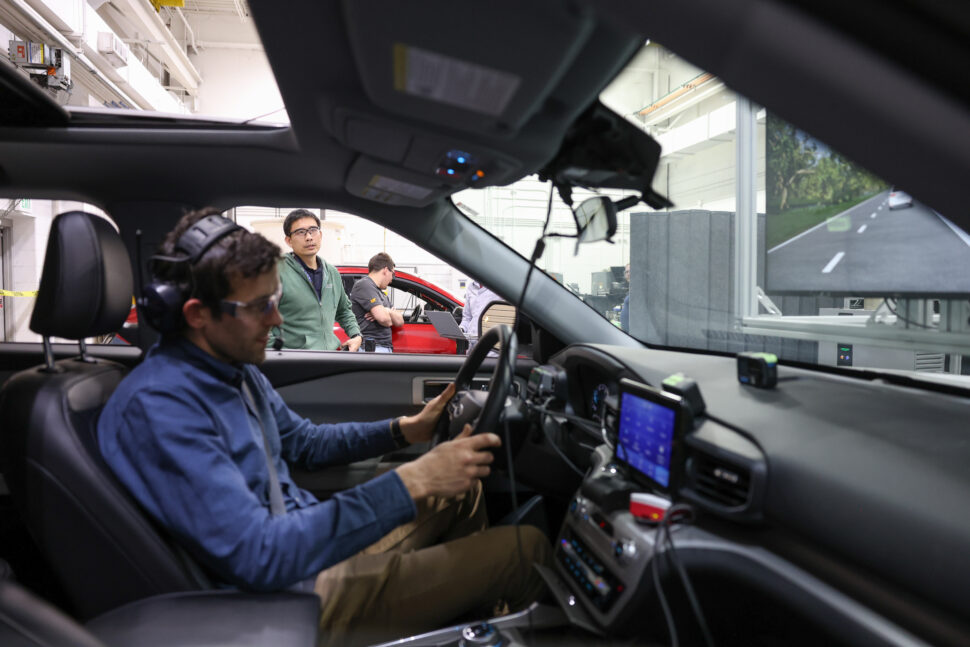
ORNL develops AI-enabled technologies that improve how transportation systems move people and freight. Researchers combine traffic, vehicle and infrastructure data with modeling, digital twins and real-world experimentation to improve travel time, energy efficiency and safety. At DOE’s National Transportation Research Center at ORNL, connected and automated vehicle X-in-the-loop research links vehicles, sensors and controls with simulated traffic and roadway environments, allowing researchers to evaluate technologies with confidence prior to deployment. These integrated approaches can also help communities anticipate traffic disruptions, evaluate response strategies, and strengthen transportation reliability, safety and recovery.
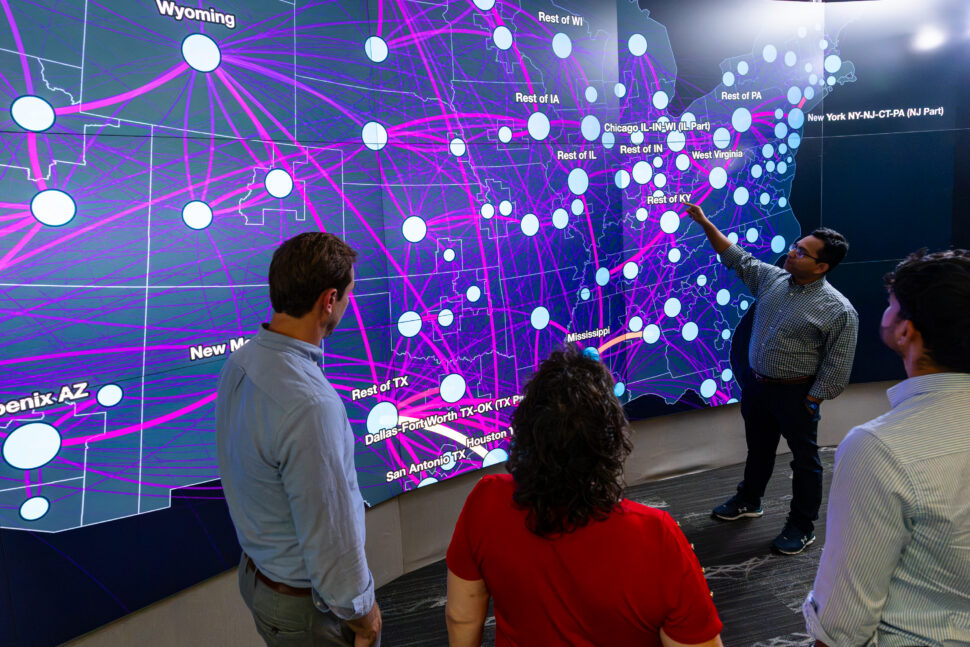
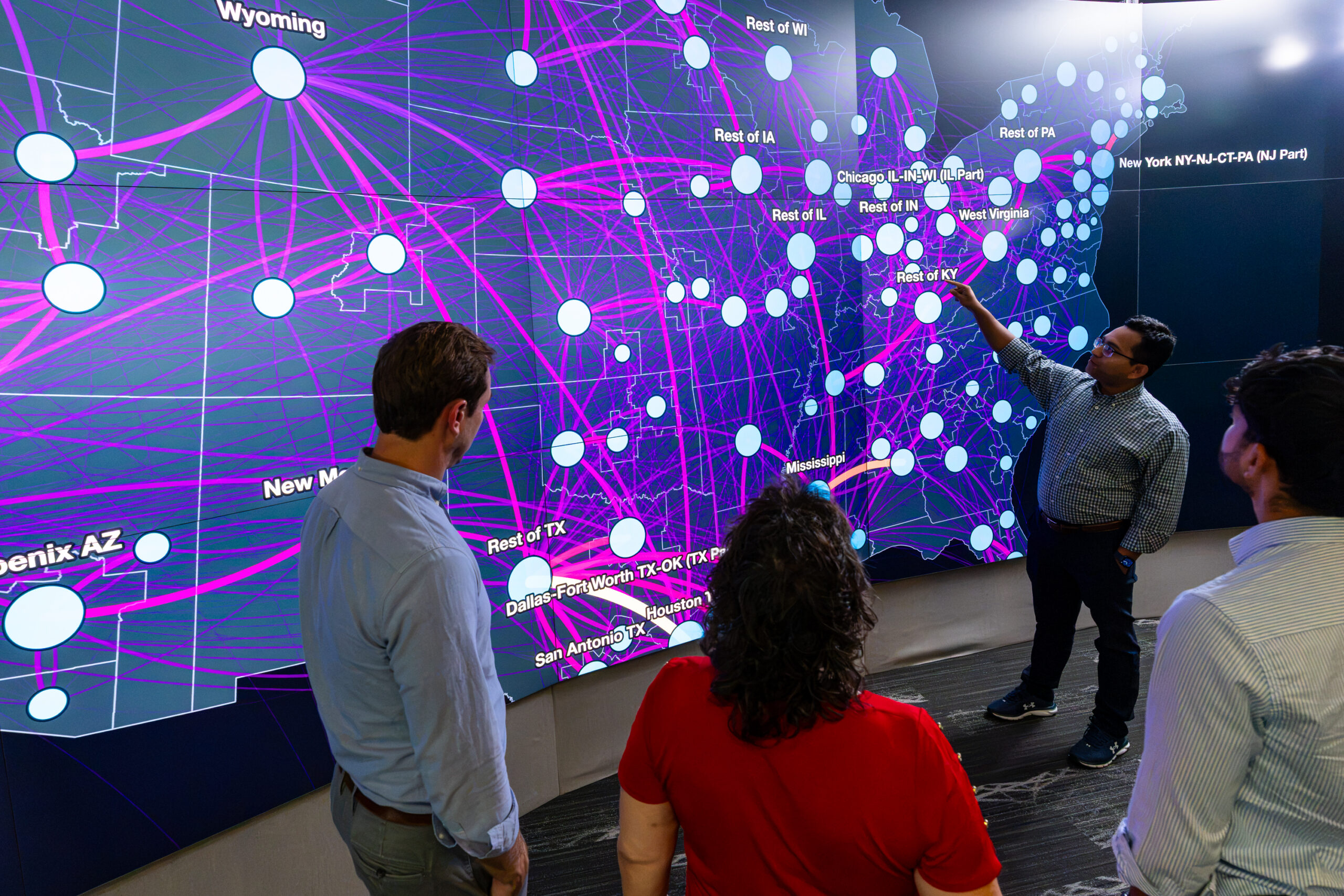
ORNL researchers analyze transportation data, geospatial analysis, network modeling, artificial intelligence and high-performance computing to better understand movement across highways, railways, waterways, ports, and intermodal facilities. This allows city planners, manufacturers and key stakeholders to identify changing freight patterns, capacity constraints, and supply chain risks. These insights support more efficient transportation networks, stronger domestic supply chains and informed infrastructure investments.
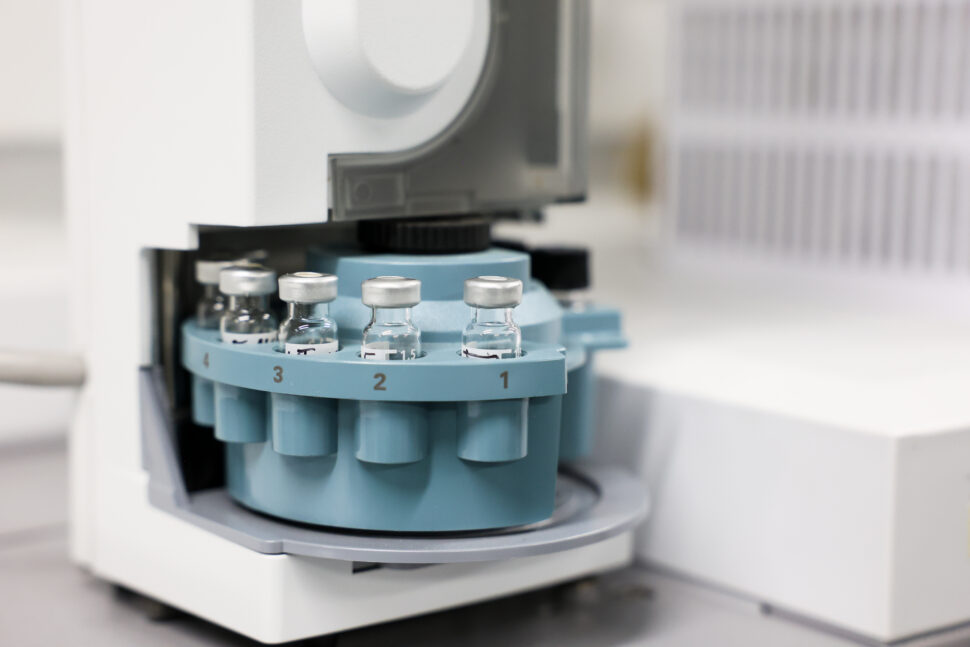
ORNL develops fuels, engines, catalysts and energy-conversion technologies for transportation modes with diverse operating demands. Researchers study fuel properties, combustion, materials, and engine performance while evaluating technologies for demanding applications such as heavy-duty, rail, and marine transportation. Research in alternative fuels, dual-fuel engines, hybrid systems, fuel cells and related technologies expands domestic energy options. By matching technologies to specific transportation needs, ORNL helps improve efficiency and reduce reliance on a single supply pathway.

ORNL researchers design power electronics, motor drives, and power transfer systems that improve technologies that improve performance while reducing reliance on vulnerable material supply chains. Researchers use advanced materials, manufacturing, modeling, and AI-enabled design to develop motors with less rare-earth materials while maintaining performance, efficiency, durability, and cost competitiveness. ORNL researchers are also exploring how power transfer technologies developed for fast wireless charging could be applied to more efficient voltage conversion for data centers, extending transportation innovations to emerging energy demands.
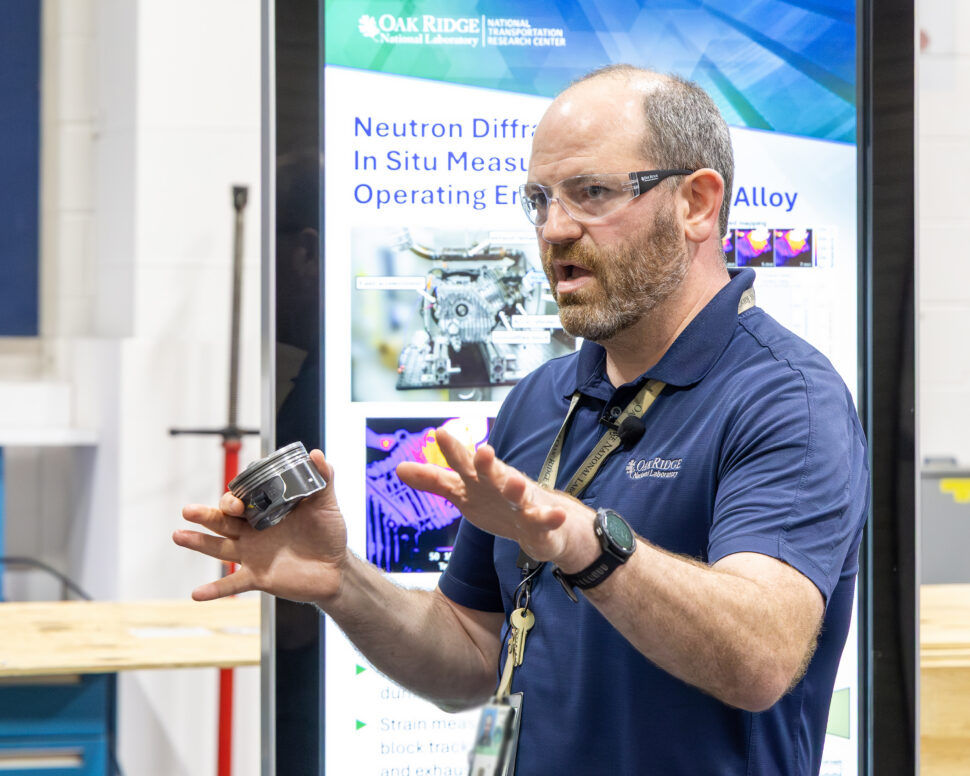
ORNL develops stronger, lighter and more durable materials that improve vehicle performance while strengthening the U.S. manufacturing and material supply chains. Research in aluminum alloys and other advanced materials combines design, high-performance computing, advanced characterization and manufacturing expertise to shorten the pathway from discovery to application. These capabilities help manufacturers reduce reliance on critical materials while creating new U.S. supply chain pathways, such as through scrap aluminum.
Partner with ORNL
ORNL connects scientific discovery with real-world deployment, giving U.S. industry and public-sector partners access to multidisciplinary expertise, advanced research capabilities, and system-level validation that reduce uncertainty and accelerate building technology innovation.

National Transportation Research Center
NTRC integrates research platforms and diagnostics for fuels, engines, electric drives, charging, connected and automated vehicles, cybersecurity, vehicle systems and intelligent mobility. Researchers can develop, integrate and evaluate transportation technologies under real-world operating conditions.

Connected and Automated Vehicle Research Environment
ORNL’s CAV and X-in-the-loop capabilities connect physical vehicles and hardware with simulated traffic, roadway and communications environments. Researchers can conduct repeatable evaluations of energy use, safety, controls and cybersecurity before on-road demonstrations and deployment.

Power Electronics and Electric Machinery
ORNL’s power electronics and electric machinery capabilities support research in electric drives, power transfer and advanced motor technologies. Researchers can evaluate technologies that improve energy efficiency, reduce reliance on vulnerable material supply chains and connect transportation innovations to emerging energy demands.

Fuels and Engine Technologies
ORNL’s fuels and engine capabilities support research across fuel properties, combustion, catalysts and flexible-fuel technologies. Researchers can evaluate multiple fuel pathways and engine technologies for demanding transportation applications, expanding domestic energy options and reducing reliance on a single fuel pathway.
Transportation Modeling and Analysis
ORNL’s modeling and analysis capabilities combine transportation data, geospatial analysis, network models and high-performance computing. Researchers and partners can identify supply-chain vulnerabilities, evaluate infrastructure needs and assess how disruptions affect the movement of goods across regional and national networks.
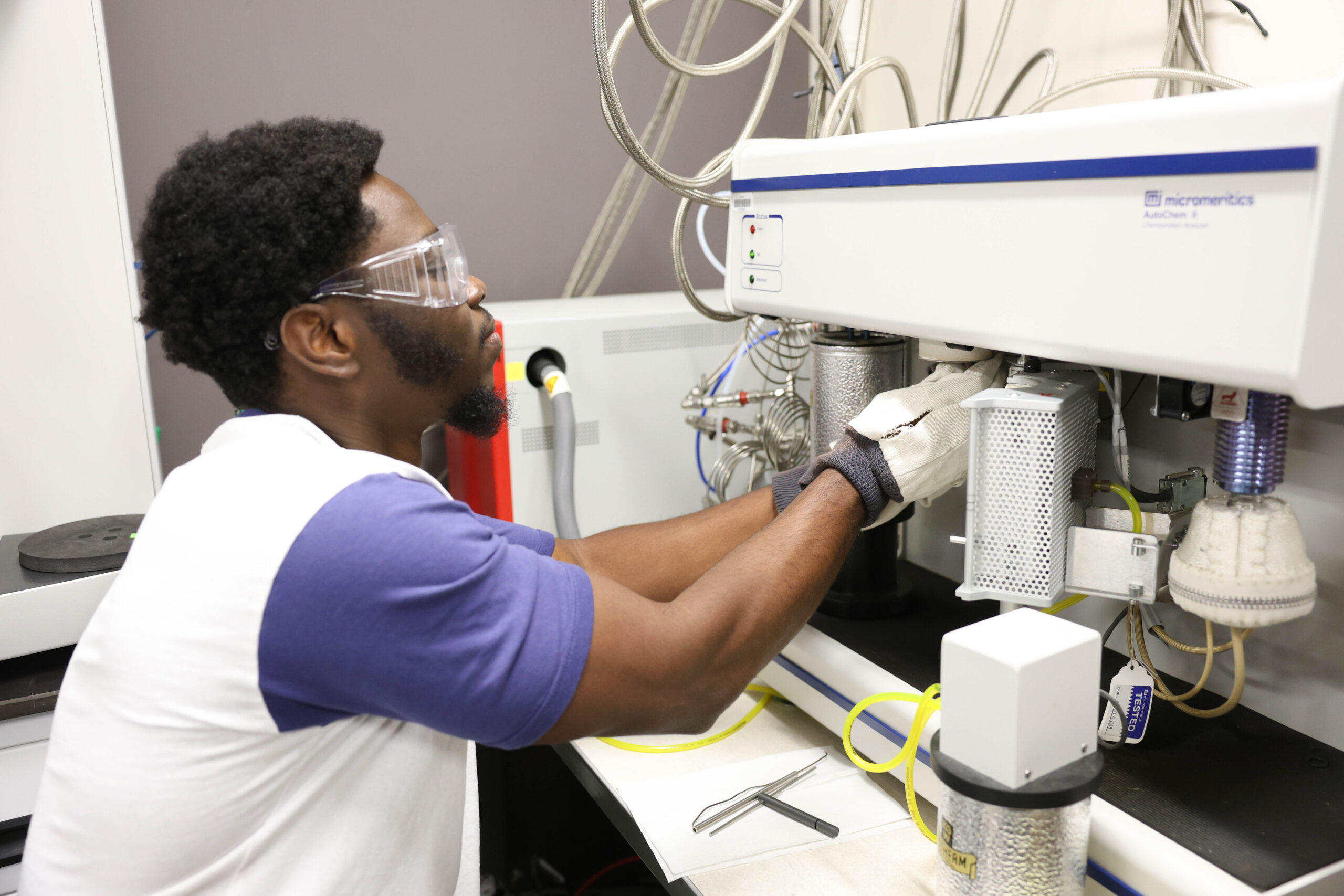
Advanced Materials Characterization
ORNL’s advanced microscopy and materials characterization capabilities reveal the structure and chemistry of transportation materials at extremely small scales. Researchers can rapidly evaluate new alloys and recycled materials, helping create stronger, lighter materials and new pathways for domestic manufacturing and material supply chains.
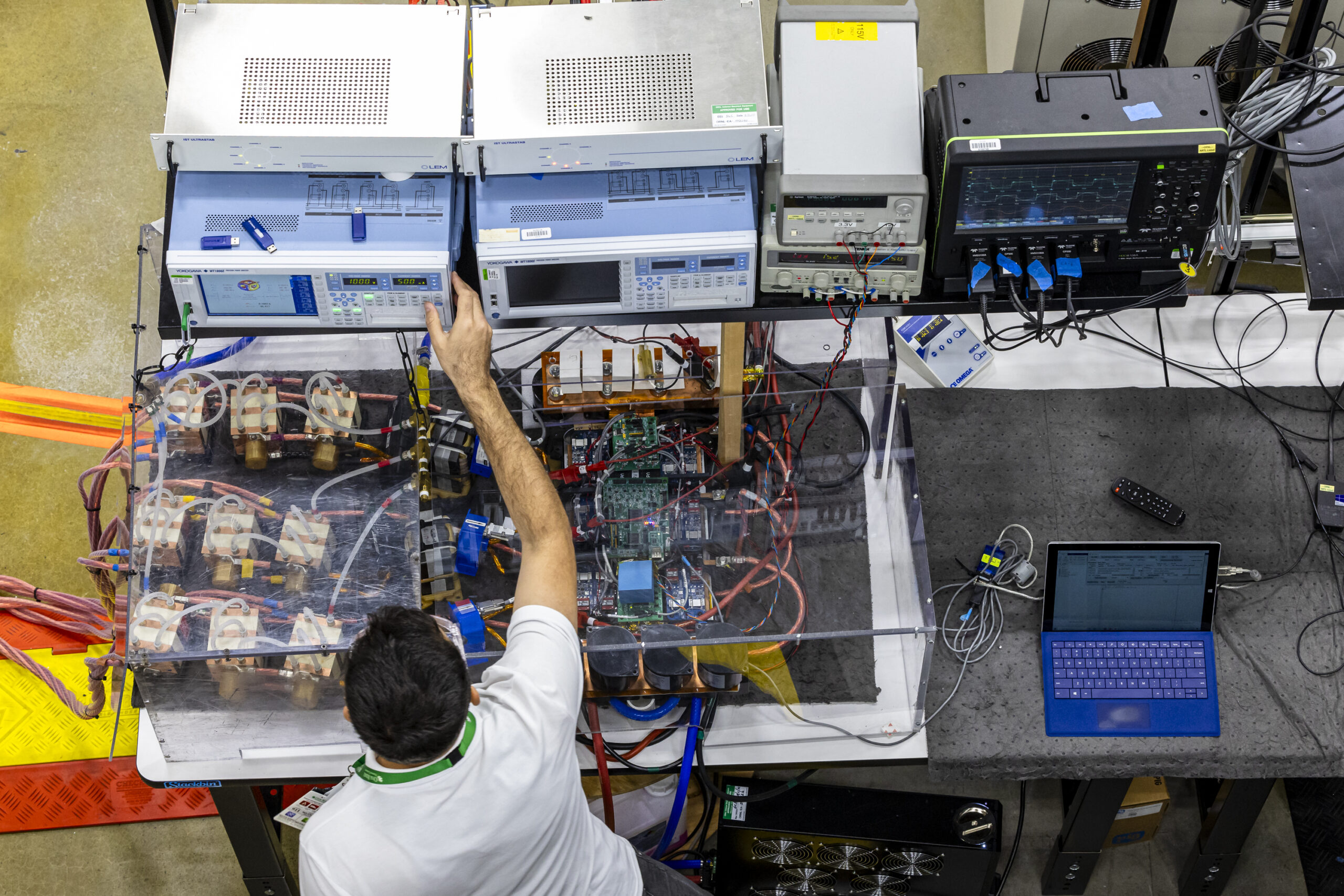
Grid Research Innovation and Development Center
GRID-C enables researchers to evaluate the interaction among vehicles, charging systems, fleet loads, distributed energy resources and the U.S. electric grid under realistic operating conditions.

Manufacturing Demonstration Facility
MDF supports development of lightweight materials, electric-motor components, power electronics, batteries and advanced manufacturing methods for next-generation transportation systems.
ORNL strengthens transportation supply chain systems by …
- Applying AI to improve traffic flow, safety and energy efficiency
- Modeling transportation networks, freight flows and supply-chain decisions
- Improving fuels, engines, catalysts for on-road and off-road applications
- Expanding alternative-fuel production, storage and use pathways
- Designing electric motors that reduce reliance on rare-earth materials
- Increasing power transfer efficiency for electric motors and grid reliability
- Evaluating connected and automated vehicle systems in virtual-physical environments
- Engineering lightweight, durable materials and advanced manufacturing processes
- Characterizing lightweight materials at the atomic scale to improve strength, durability and performance
- Partnering with U.S. industry and public agencies to validate technologies at meaningful scale
Nashville: A living laboratory for integrated mobility
The Nashville corridor deployment demonstrates how ORNL can move transportation research from models and controlled testing into real-world deployment and scale. Data from more than 100 intersections help researchers understand changing traffic patterns, test AI-enabled control strategies and measure effects on traffic flow, safety and energy use across an urban network.
The larger opportunity is to connect transportation operations with weather, buildings and the U.S. electric grid. A citywide decision-support and control environment could allow planners to examine how traffic demand, charging, infrastructure conditions and disruptions interact—and select strategies that improve mobility, safety, energy use and regional resilience together.
This work reflects ORNL’s approach to secure, resilient systems for abundant energy: integrate disciplines, validate technologies at scale and translate scientific insight into tools that communities and industry can use.