Neutron Sciences
Using world-leading neutron science to reveal the structure and behavior of materials.
Explore all Neutron Sciences newsNeutrons: A Discovery Powerhouse
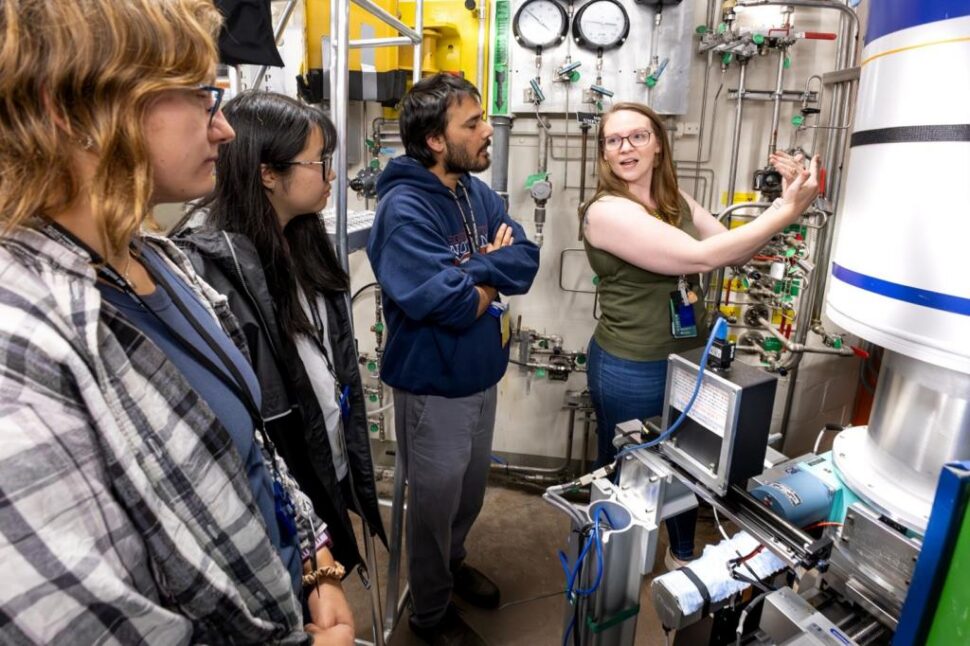
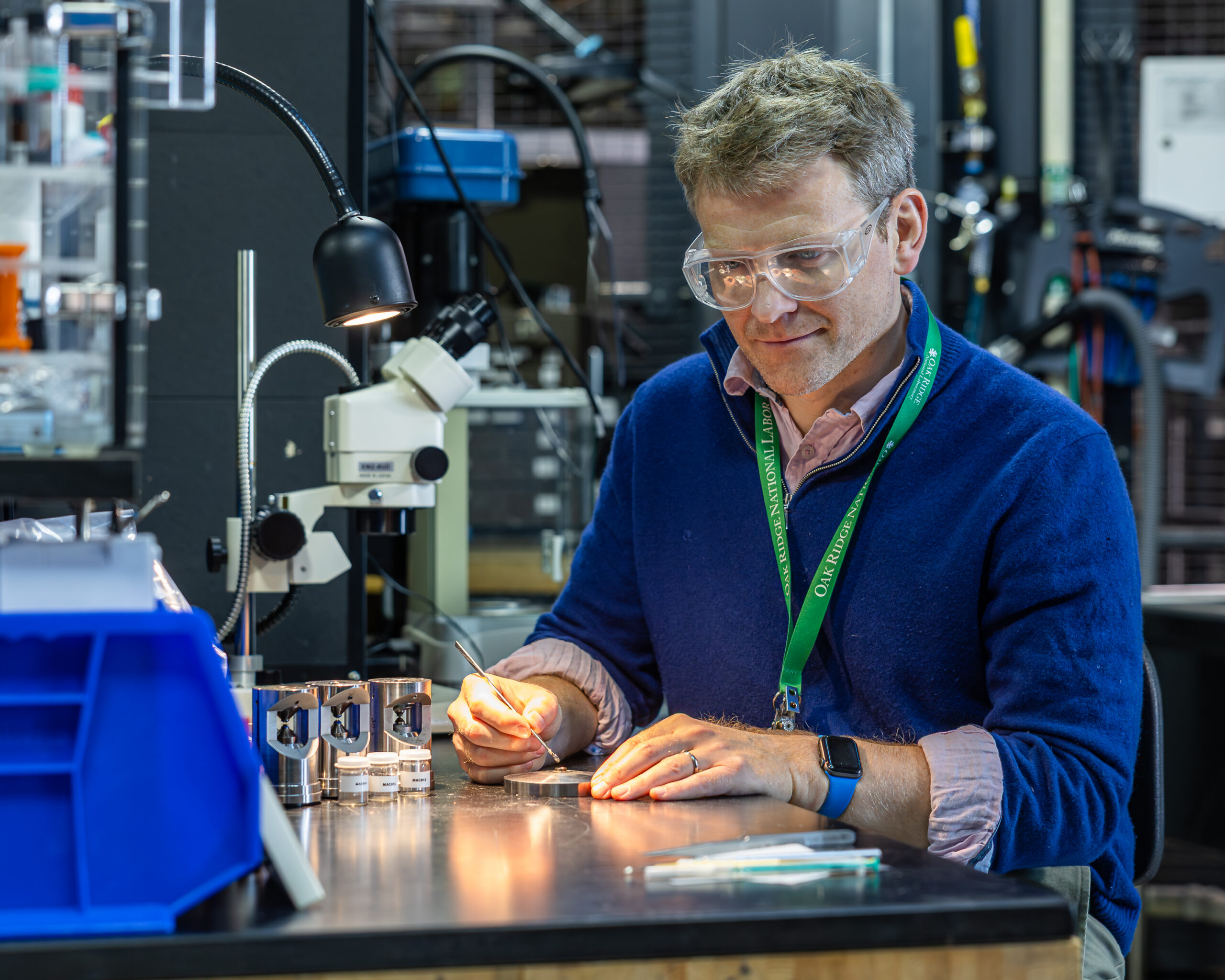
ORNL hosts two of the world’s most powerful sources of neutrons for research, the High Flux Isotope Reactor (HFIR) and the Spallation Neutron Source (SNS). ORNL is the U.S. epicenter for one of the most powerful techniques for exploring the nature of materials and energy – neutron scattering. This research touches a broad range of scientific areas, including quantum materials, chemistry and catalysis, materials and engineering, soft matter and polymers, biological materials and systems, and artificial intelligence/machine learning.
World-Leading Facilities

Spallation Neutron Source
The Spallation Neutron Source is the world’s most powerful accelerator-based neutron source. It’s celebrating 20 years of safe operations and scientific achievements in 2026.

High Flux Isotope Reactor
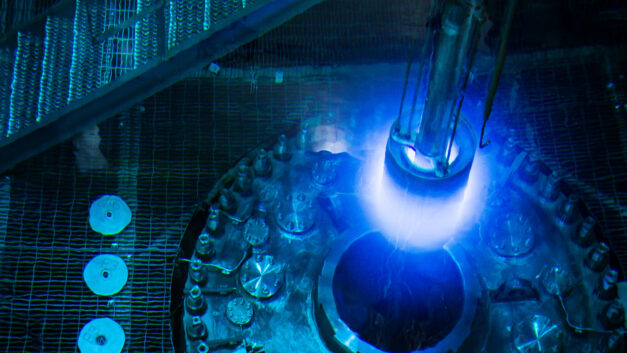
The High Flux Isotope Reactor also celebrated a milestone, turning 60 years old in 2025. HFIR, a discovery powerhouse, continues to operate safely and reliably. It is considered one of the world’s top facilities for materials research and for production of isotopes for energy, national security, medical applications and industrial use
Together, these two neutron sources attract thousands of researchers from around the globe, who use their state-of-the-art suite of instruments to conduct their experiments to achieve real-world impacts in the nation’s priority areas, such as energy competitiveness and security, quantum science, advanced manufacturing, treatment of cancer and other diseases, space exploration, and national security.
ORNL’s Second Target Station
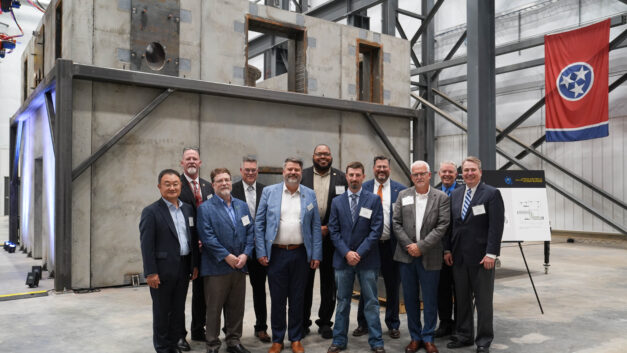
A third neutron source, the Second Target Station, is planned to greatly expand the capabilities of neutron scattering, complementing those of the SNS First Target Station (FTS) and HFIR, by filling gaps in materials research that require the combined use of intense, cold (longer wavelength) neutrons and instruments that are optimized for exploration of complex materials.
Together, these three facilities form an unbeatable combination that will maintain US global leadership in neutron science capabilities.

What Is Neutron Scattering?
Neutrons, one of the particles that comprise matter, are ideal for certain types of research due to their many unique features, which enable them to provide insights no other research method can. Some of those features are:

Neutron scattering provides information at the atomic scale about the positions, motions, and magnetic properties of materials. When a beam of neutrons is aimed at a sample, many neutrons will pass through the material, but some will interact directly with atomic nuclei and “bounce” away at an angle, like colliding balls in a game of pool. This is called neutron scattering.
Using special detectors, scientists count scattered neutrons, measure their energies and the angles at which they scatter, and map their final position. This makes it possible for scientists to glean details about the nature of materials ranging from liquid crystals to superconducting ceramics, from proteins to plastics, and from metals to metallic glass magnets.
Why Neutrons?
HFIR and SNS offer 31 advanced instruments covering a wide range of materials science techniques.
Both scientists and non-scientists can access ORNL’s leading research facilities via the U.S. Dept. of Energy’s User Program. ORNL’s neutron research user facilities are open to researchers to facilitate their studies in science and technology.
Neutron Nexus
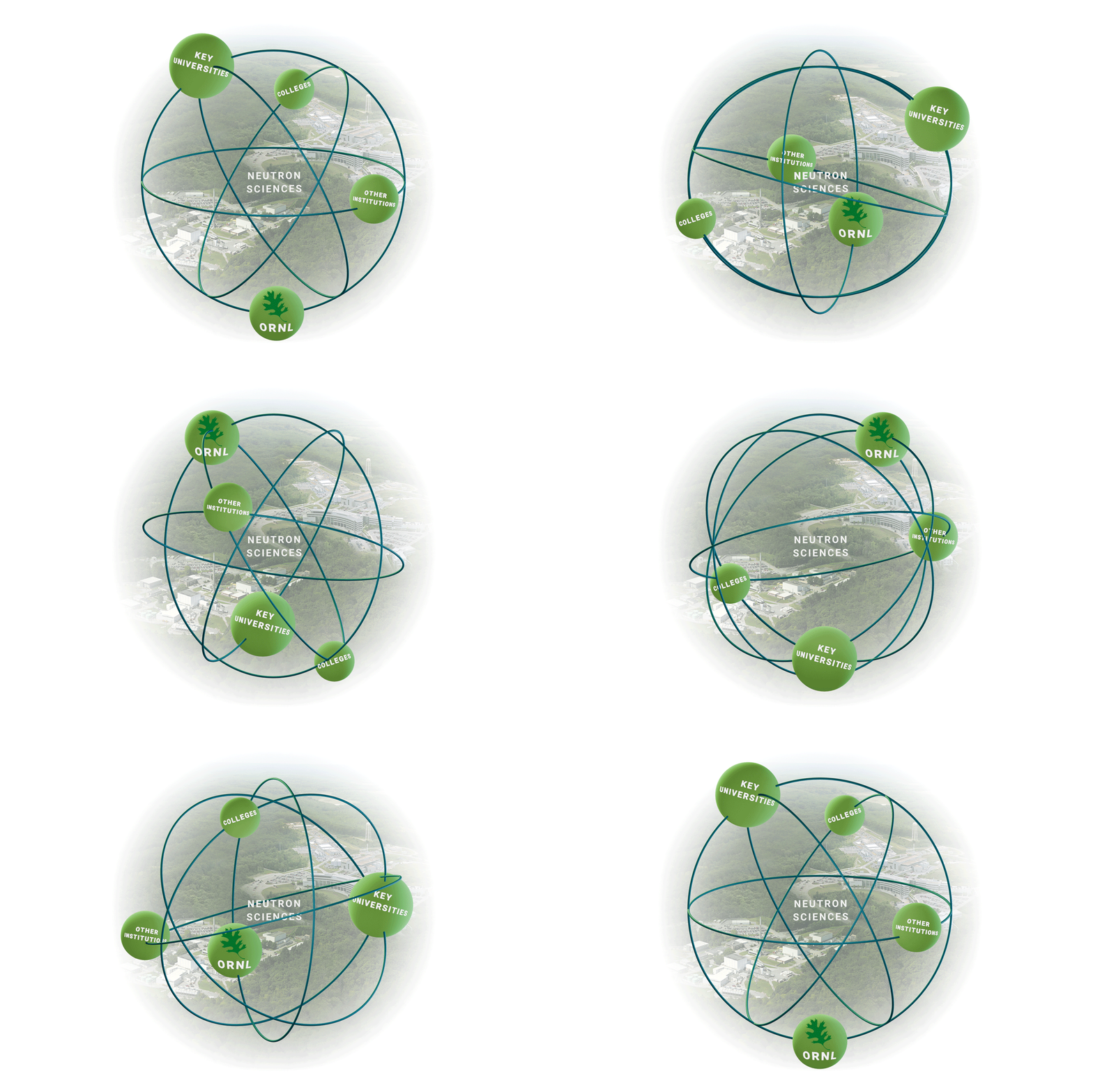
The Neutron Nexus is an intentional and sustained initiative to foster personal relationships, educational opportunities, in-person visits, and other outreach opportunities between NScD and “Key Universities” as well as surrounding regional universities, community colleges, and technical colleges.
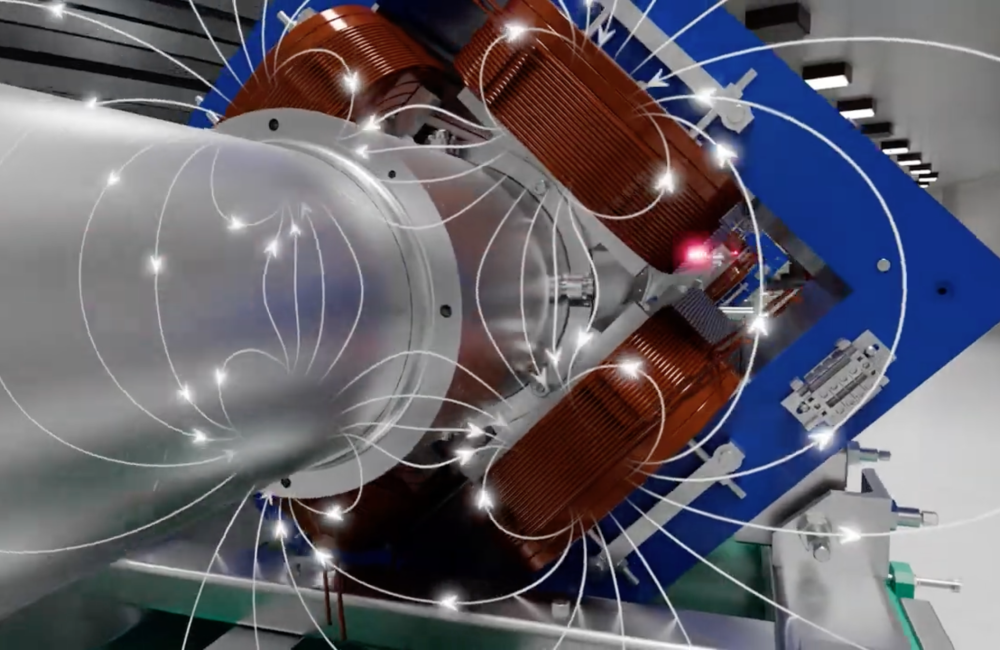
How Neutrons Are Made: Inside ORNL’s Spallation Neutron Source
The SNS is the world’s most powerful pulsed neutron source. Its linear accelerator, or linac, is one-fifth of a mile long. The process begins by accelerating ions, which are charged particles, to nearly the speed of light to eventually produce neutrons that are used in neutron scattering materials and energy research. This animation tells the story of the journey that begins at the ion source and ends with the neutrons’ travels along the beamlines to the instruments used to probe materials.
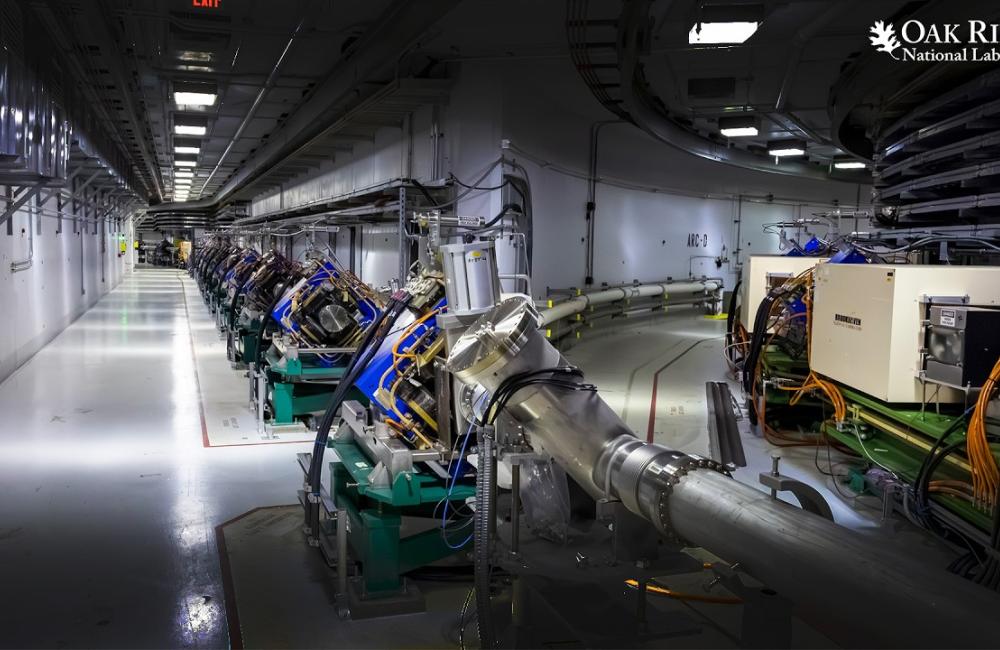
Advancing Discovery Science With DOE’s Genesis Mission
For decades, Oak Ridge National Laboratory has pushed the boundaries of discovery through world-leading neutron science facilities like the Spallation Neutron Source (SNS) and the High Flux Isotope Reactor (HFIR). Now, a new chapter is unfolding. At SNS, innovations, such as the VENUS neutron imaging instrument, have already integrated AI and machine learning to reveal materials in unprecedented detail and at extraordinary speed.
Research Initiatives
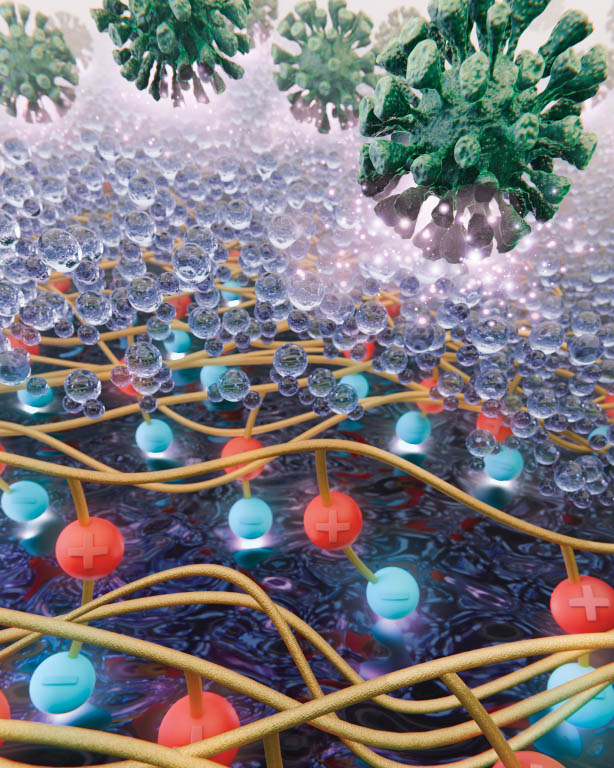
Biological Materials and Systems
Bioscience research at SNS and HFIR is broadly interested in the structure and dynamics of biological assemblies. The biology program spans areas where neutrons excel, such as hydrogen/deuterium contrast, light atoms, order/disorder transitions, lipids and membranes, hierarchical assemblies, imaging of biological systems. Simply put, scientists gain insights on how parts of living things are built and how they move, from proteins and membranes to larger biological systems. These findings can be used to make better medicines, improve drug delivery, and design new treatments for disease. They also help develop safer biomaterials, better medical implants, and improved ways to detect illness. By studying water, hydrogen, and cell membranes, researchers can learn how life works at a basic level and use that knowledge in health care, biotechnology, agriculture, and environmental science.
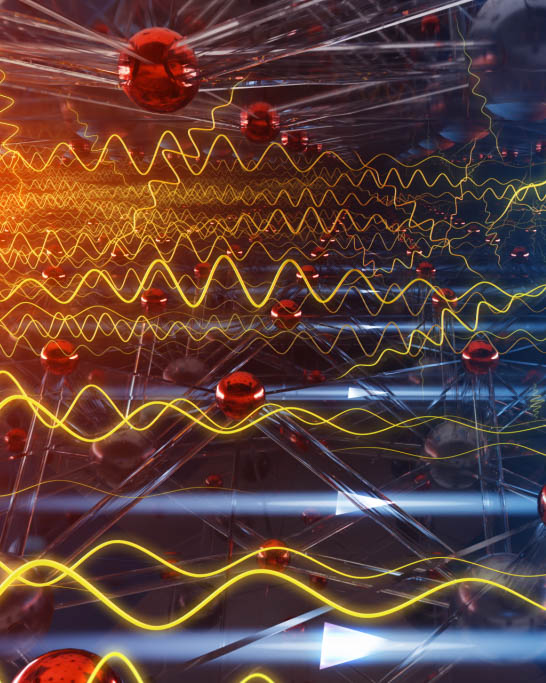
Quantum Materials
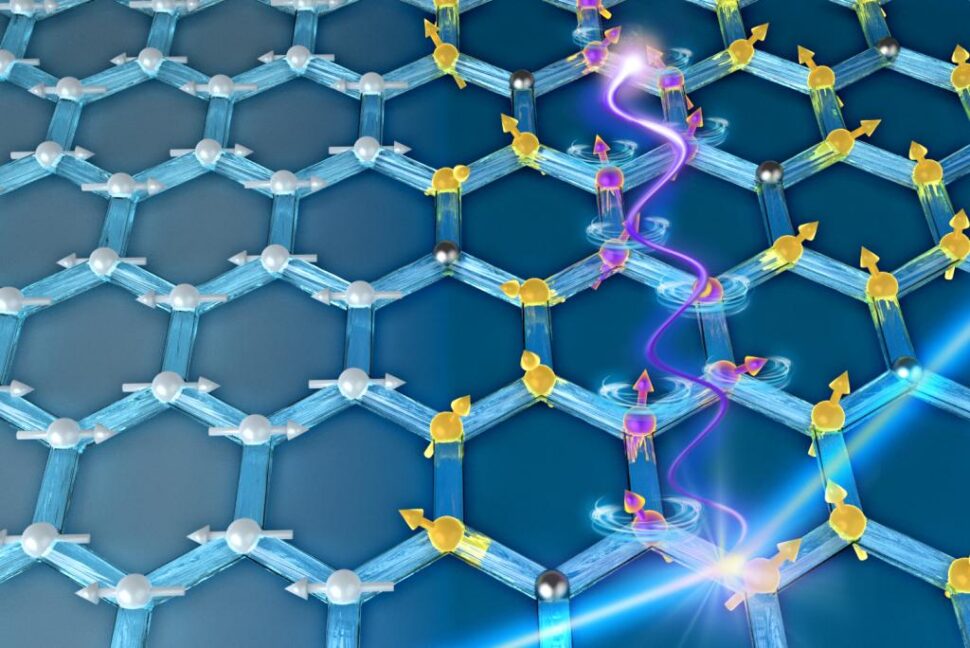
Quantum materials exhibit unusual magnetic and electrical properties that go beyond classical physical limitations and serve as the foundation for applications in quantum computing, quantum communication, quantum sensing, and energy-efficient technologies.

Materials and Engineering
Materials are at the heart of technologies, devices, and societal infrastructure that will define the future nation’s economy and provide solutions to present and future challenges in energy, communications, nanotechnology, security, and transportation. The road from discovery of fundamental scientific principles to implementation of new concepts and materials is a long one. Therefore, efficient approaches must be found to create the materials underlying new technologies. Characteristics of novel materials must be understood under relevant operating conditions, including degradation and failure mechanisms over time.
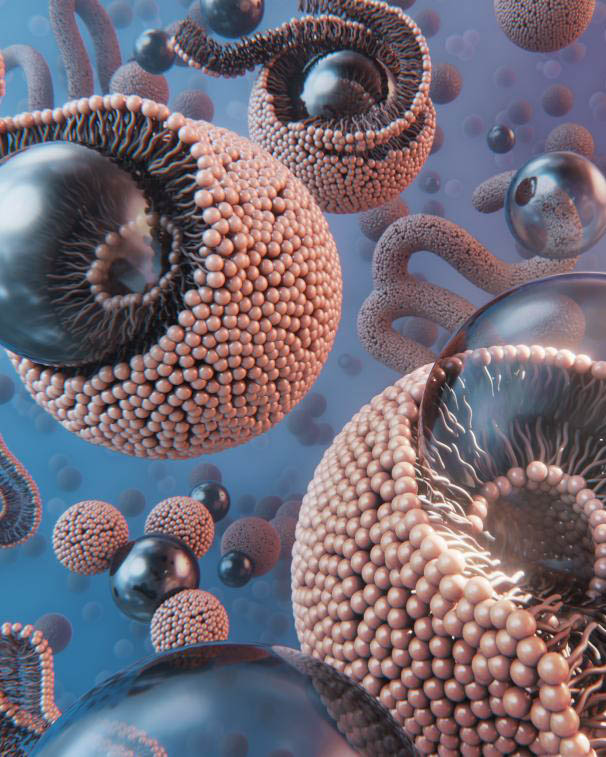
Soft Matter and Polymers
Soft materials and polymers are the foundation for many industrial and consumer products such as detergents, pharmaceuticals, cosmetics, membrane filters, and batteries. Soft matter research is focused on the investigation of the physical and chemical processes that govern soft matter systems and can lead to breakthroughs in next-generation materials.
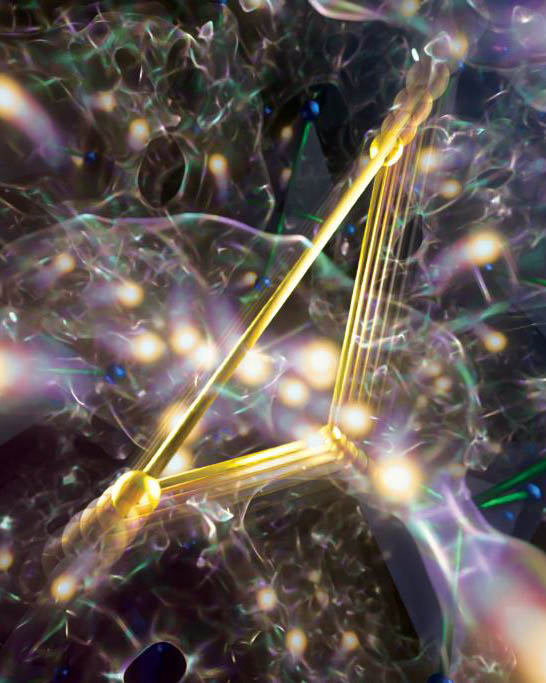
Chemistry
Key research areas include electrochemistry, porous materials, catalysis and other material systems where atomic-scale processes play a defining role in their properties. Neutron scattering helps researchers see where atoms are and how they move during reactions and is especially good at finding light atoms like hydrogen, which are hard to study with some other methods. This helps scientists better understand how catalysts speed up reactions, improve cleaner fuels and chemicals, and design better materials for energy, medicine, and pollution control.
Explore Neutron Sciences News
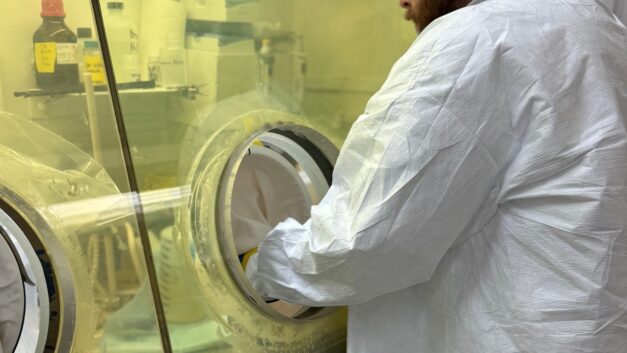
September 22, 2026
8 MIN READ
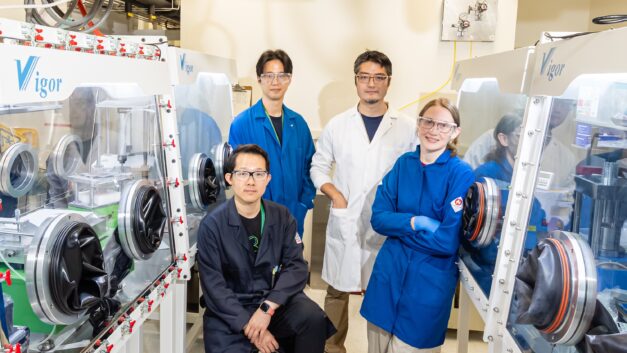
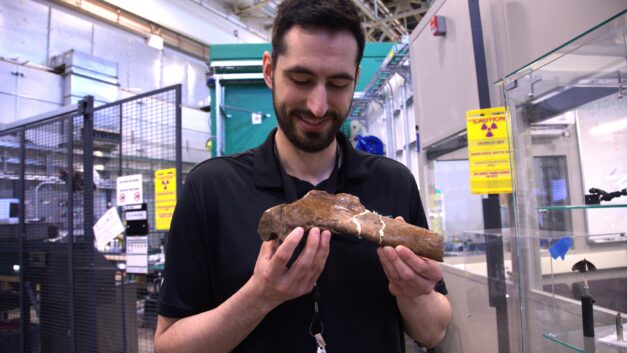
Tiny amounts of rare radioisotopes, recovered during californium-252 production, in high demand for research
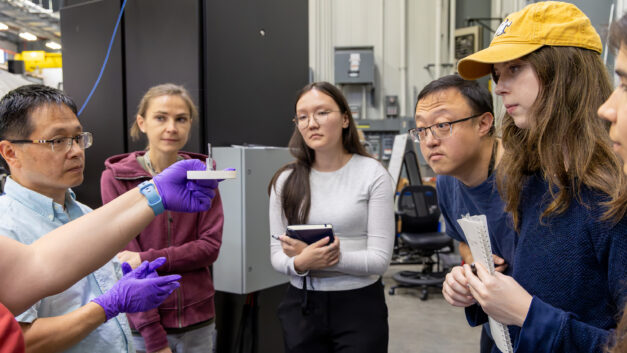
Virtual Tours
Can’t come to the lab for a tour? We’ll bring the lab to you.
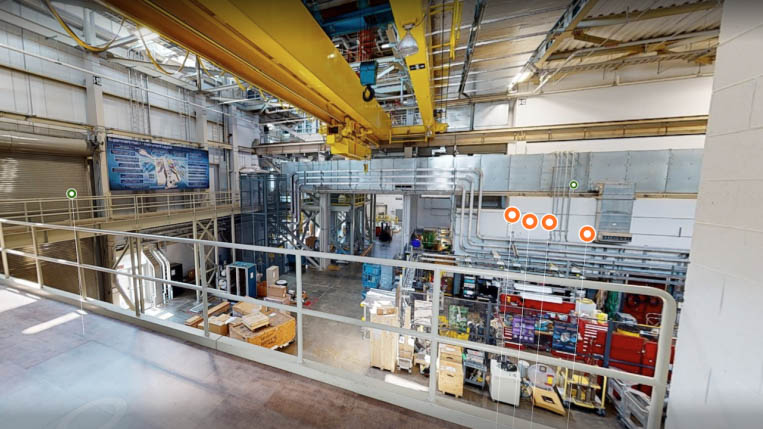
Now, anyone can see the SNS, HFIR, and other ORNL user facilities through the lab’s virtual tours.
The virtual tours of SNS and HFIR feature 360-degree multi-level views, enabling you to experience the facilities in the same manner as an in-person tour. You will have access to more than 30 high-powered instruments, as well as the construction site for VENUS, the SNS facility’s newest instrument.
Join the Team
The neutron sciences team at ORNL includes physicists, engineers, technicians, operators, facilities experts, communicators, human resource partners, and business professionals. They work to prioritize the safe and reliable operations and scientific achievements of our user facilities, the Spallation Neutron Source and High Flux Isotope Reactor, and plan for upgrades and improvements to our neutron sources.