Oak Ridge National Laboratory advances nuclear energy, materials research, and radioisotope power systems for space exploration.
From starting up nuclear reactors using californium-252 to producing plutonium-238 for deep-space missions, ORNL isotope capabilities expand energy technologies that depend on specialized materials, nuclear infrastructure, and scientific expertise.
Californium-252
A Critical Isotope for Nuclear Reactor Startup
Californium-252 is a powerful neutron-emitting radioisotope used as a startup neutron source for nuclear reactors. ORNL is the largest producer of Cf-252 in the Western Hemisphere and makes more than 70 percent of the world’s supply. This radioisotope enables nuclear energy, research, industry, and security applications.
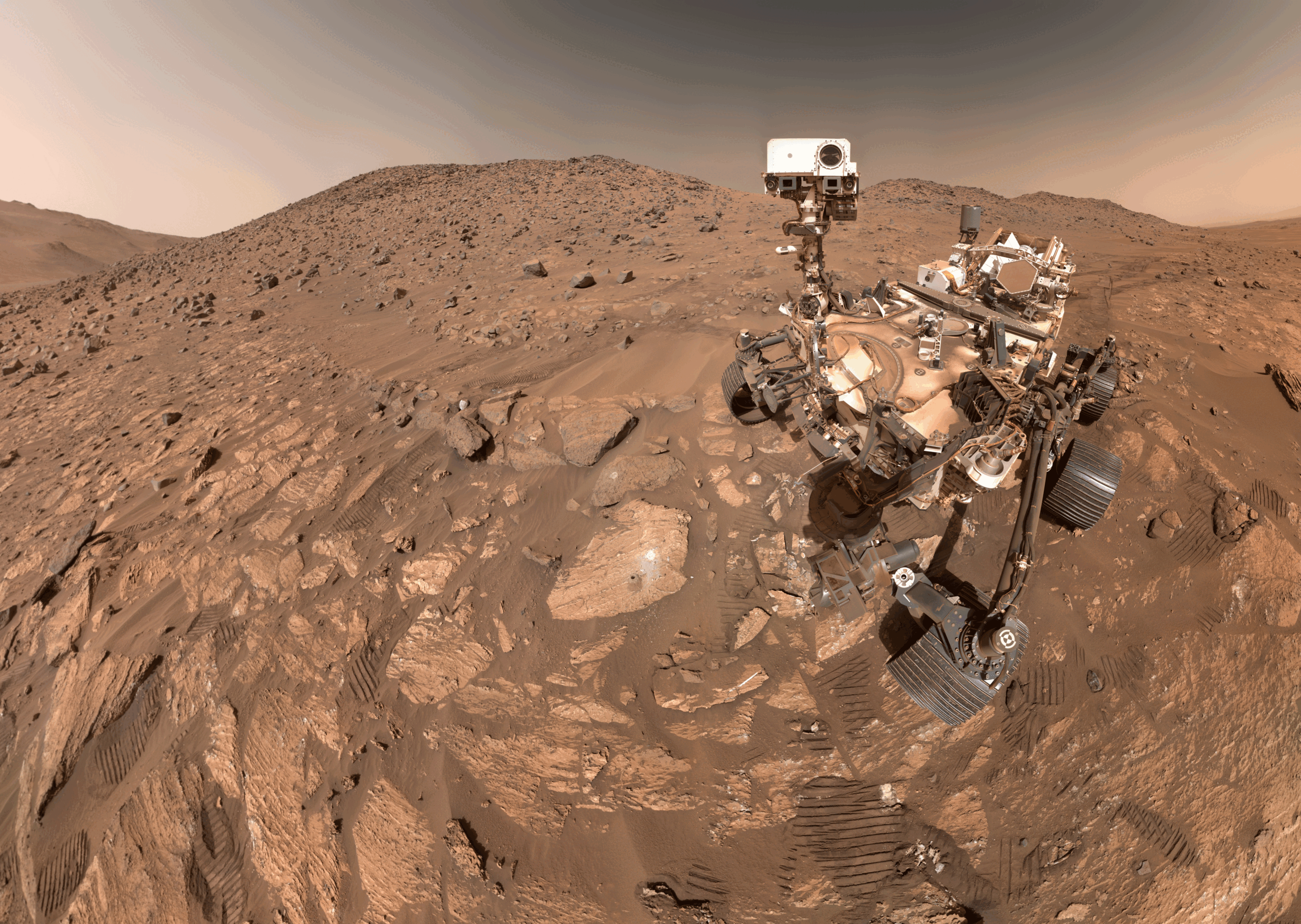
ORNL resumed U.S. plutonium-238 production after nearly three decades without domestic production. ORNL-produced material was on board NASA’s Perseverance rover and is expected to provide a significant portion of the Pu-238 used by Dragonfly, NASA’s nuclear-powered craft mission to Saturn’s moon Titan.
Isotopes can serve as research tools and functional materials in energy systems. They help scientists study materials and nuclear processes, support reactor technologies, and provide long-duration power for some spacecraft.
Californium-252 is an intense neutron emitter used as a startup neutron source for nuclear reactors. ORNL is the largest producer of Cf-252 in the Western Hemisphere and supplies more than 70% of the world’s production.
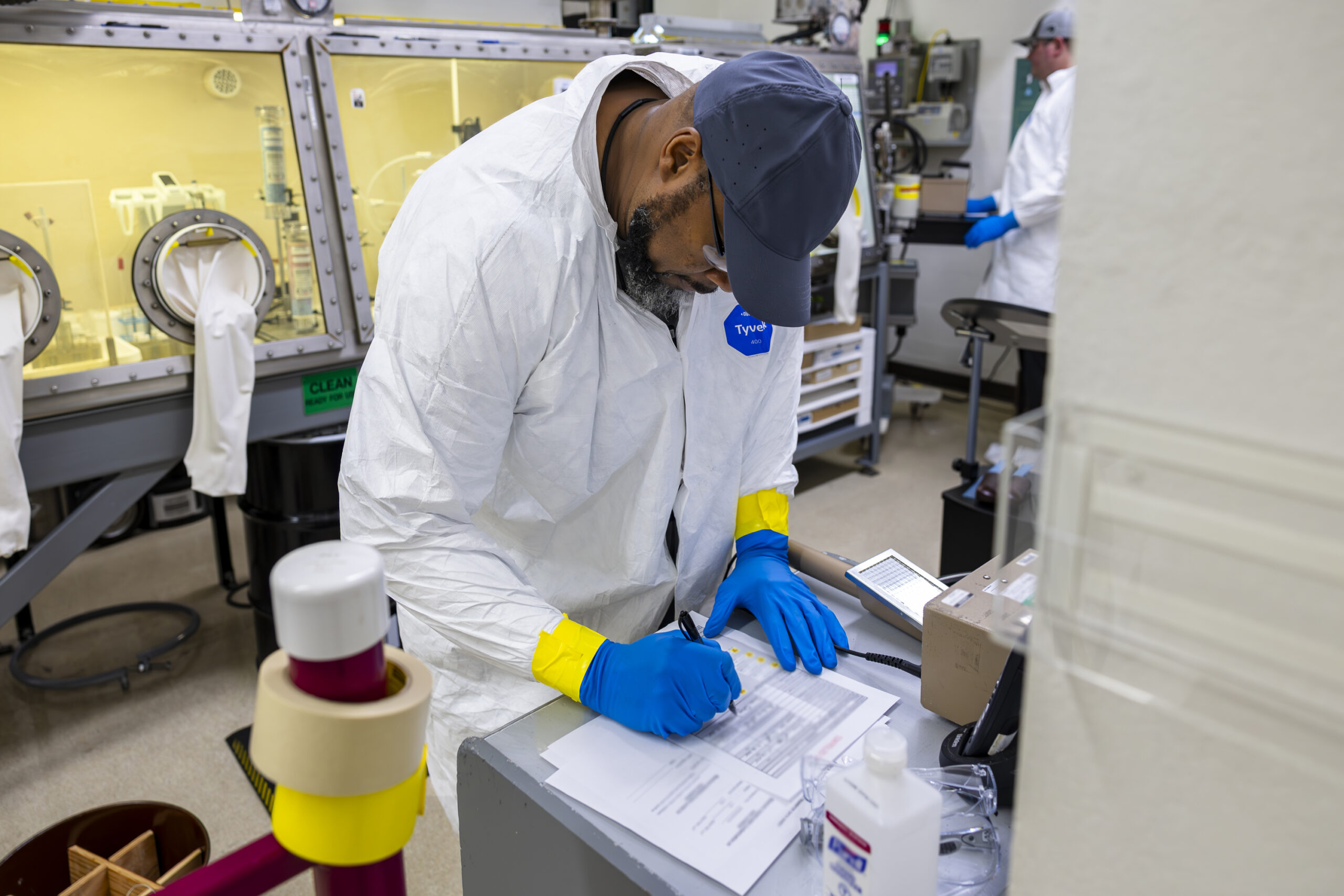
Cf-252 production begins with irradiation of target materials in the High Flux Isotope Reactor. The irradiated material is then processed and purified using specialized radiochemical capabilities at REDC.
Pu-238 is used as a heat source in radioisotope power systems. Its radioactive decay produces heat that can be converted into electricity for spacecraft and scientific instruments.
ORNL helped restart U.S. Pu-238 production after nearly 30 years and has continued increasing production capability. ORNL-produced Pu-238 has contributed to NASA’s Perseverance rover and is expected to support future missions including Dragonfly.
A radioisotope power system converts heat from radioactive decay into electricity. NASA uses these systems for missions that need reliable long-duration power in environments where other energy sources may not be practical.
Dragonfly is a NASA rotorcraft mission that will explore multiple locations on Saturn’s moon Titan to investigate its chemistry and habitability. NASA currently targets launch no earlier than July 2028.