Oak Ridge National Laboratory advances isotope science, radioisotope production, cutting-edge stable isotope enrichment, and specialized research capabilities that support nuclear medicine, national security, energy, industry, and scientific discovery.
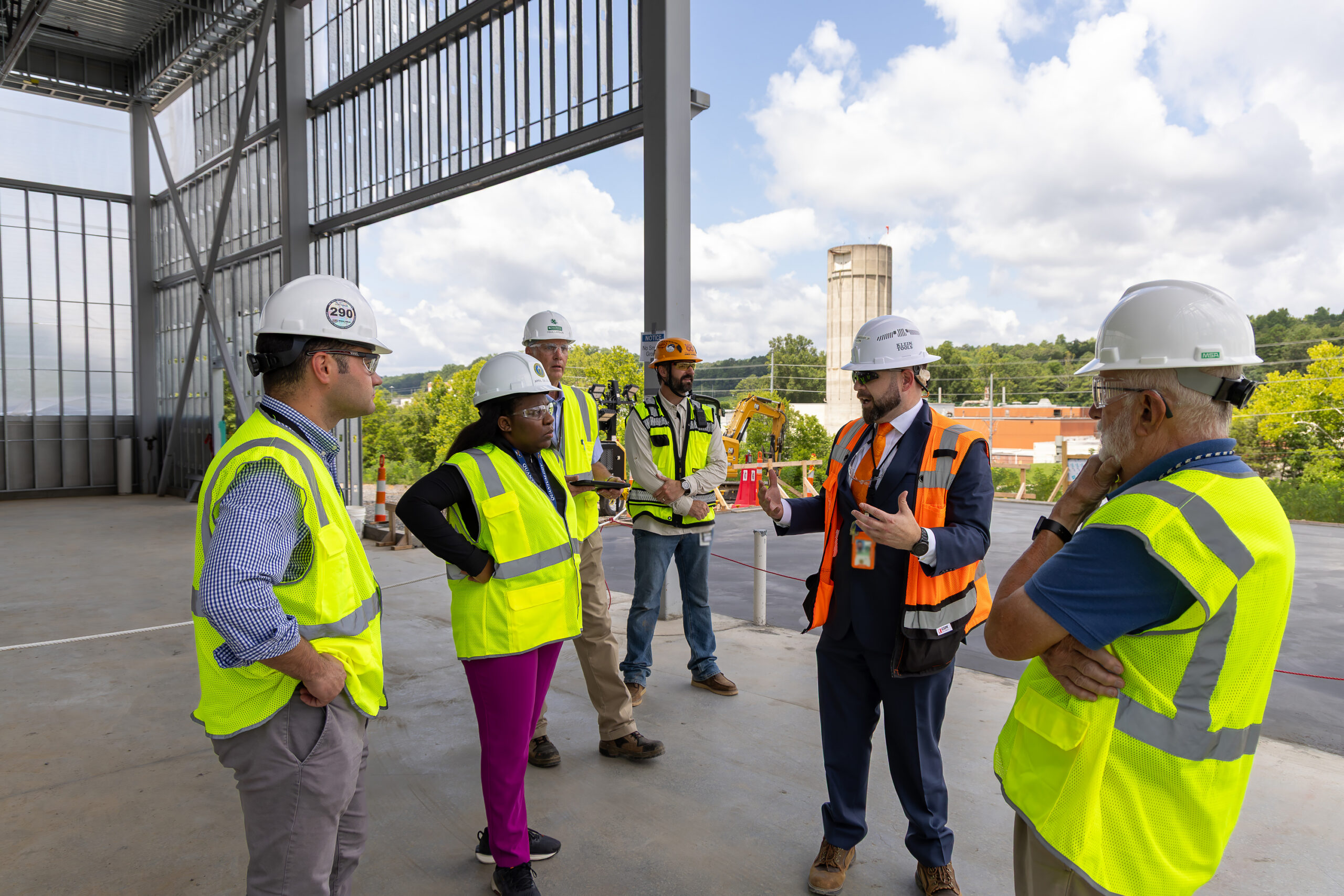
Iconic facilities, scientific expertise, and a highly skilled technical workforce at ORNL strengthen the domestic isotope capabilities the United States needs. At the same time, we’re building the infrastructure and technologies to propel our nation into the future.
Powering Next-Gen Isotope Capabilities
Radioisotopes for Nuclear Innovation
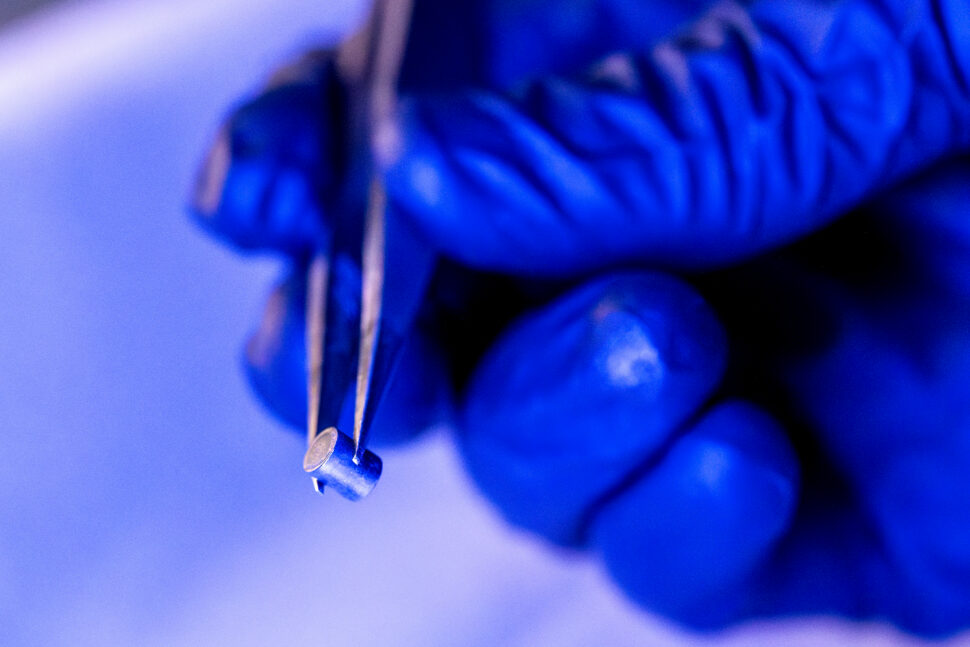
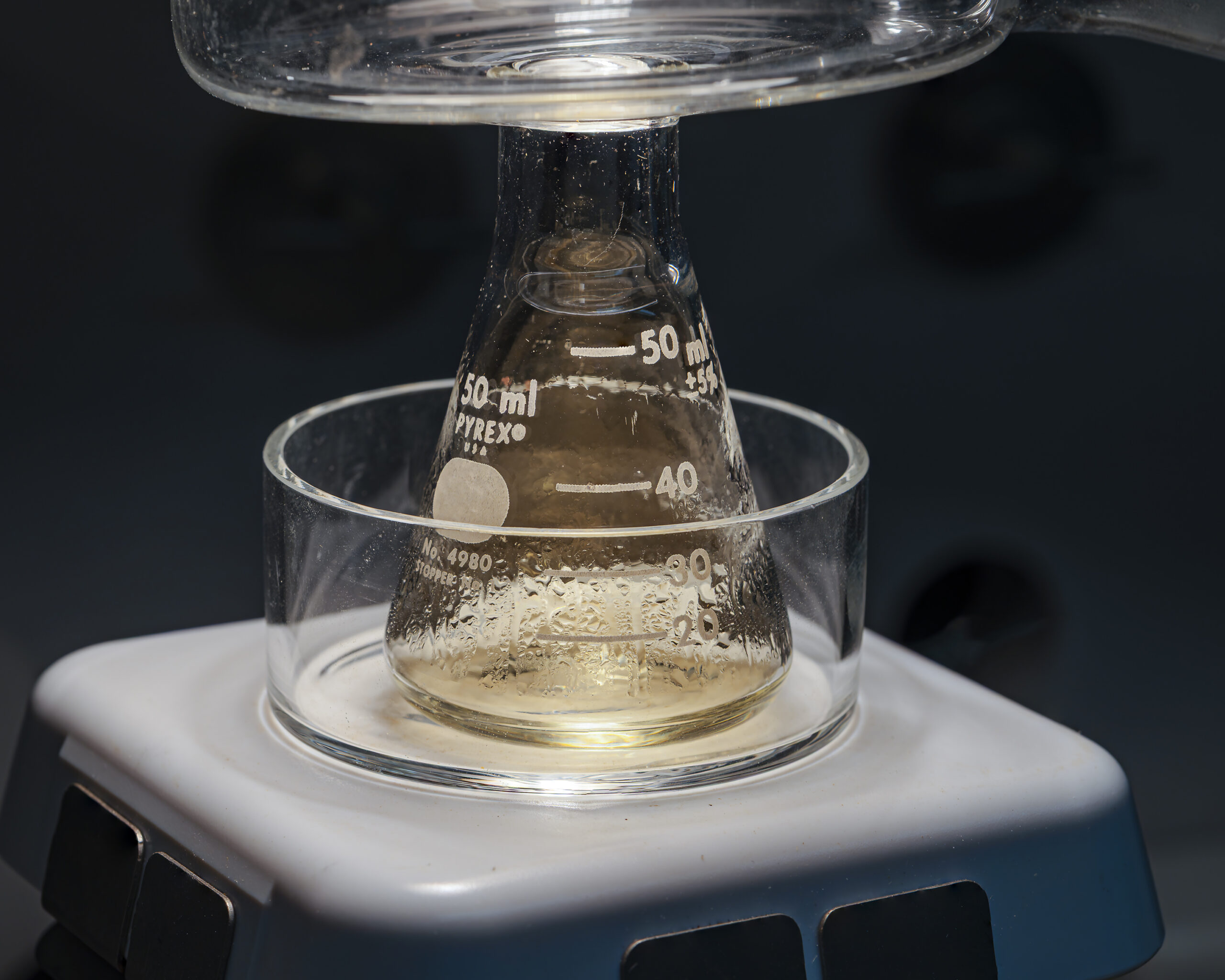
Radioisotope science determines how radioactive isotopes can be produced, purified, and prepared for use. ORNL is developing new pathways for medicine, national security, energy, industry, and research.
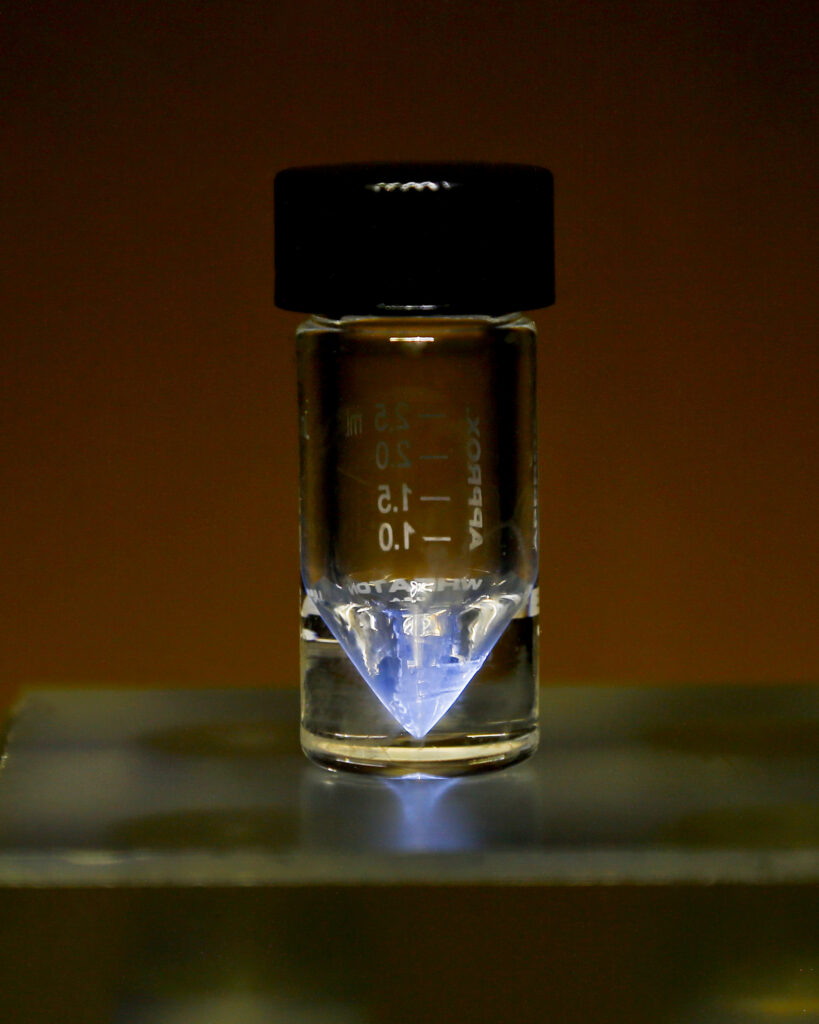
Stable isotope enrichment produces specialized materials for medicine, quantum technology, research, energy, industry, and national security. ORNL is expanding U.S. enrichment capability through breakthrough technologies, facilities, and research.
Radioisotopes and stable isotopes save lives through diagnostic imaging, radiopharmaceuticals, and targeted therapies that help clinicians detect and treat disease.
Specialized isotopes keep our nation safe. They protect our airports and shipping ports from dangerous materials, detect radiation, and reduce the risk of nuclear materials being used illicitly.
Isotopes power the nation. ORNL-produced isotopes are used to start up nuclear reactors, to power systems for deep-space exploration, and to develop specialized batteries that last for decades.
Isotopes keep American industry safe and competitive. Industry relies on isotopes to secure pipelines, inspect welds, and advance new manufacturing techniques.
ORNL can do isotope research that no one else can. Our groundbreaking research jumpstarts American industry and solves the biggest challenges of our time.
Infrastructure That Makes Isotope Science Possible
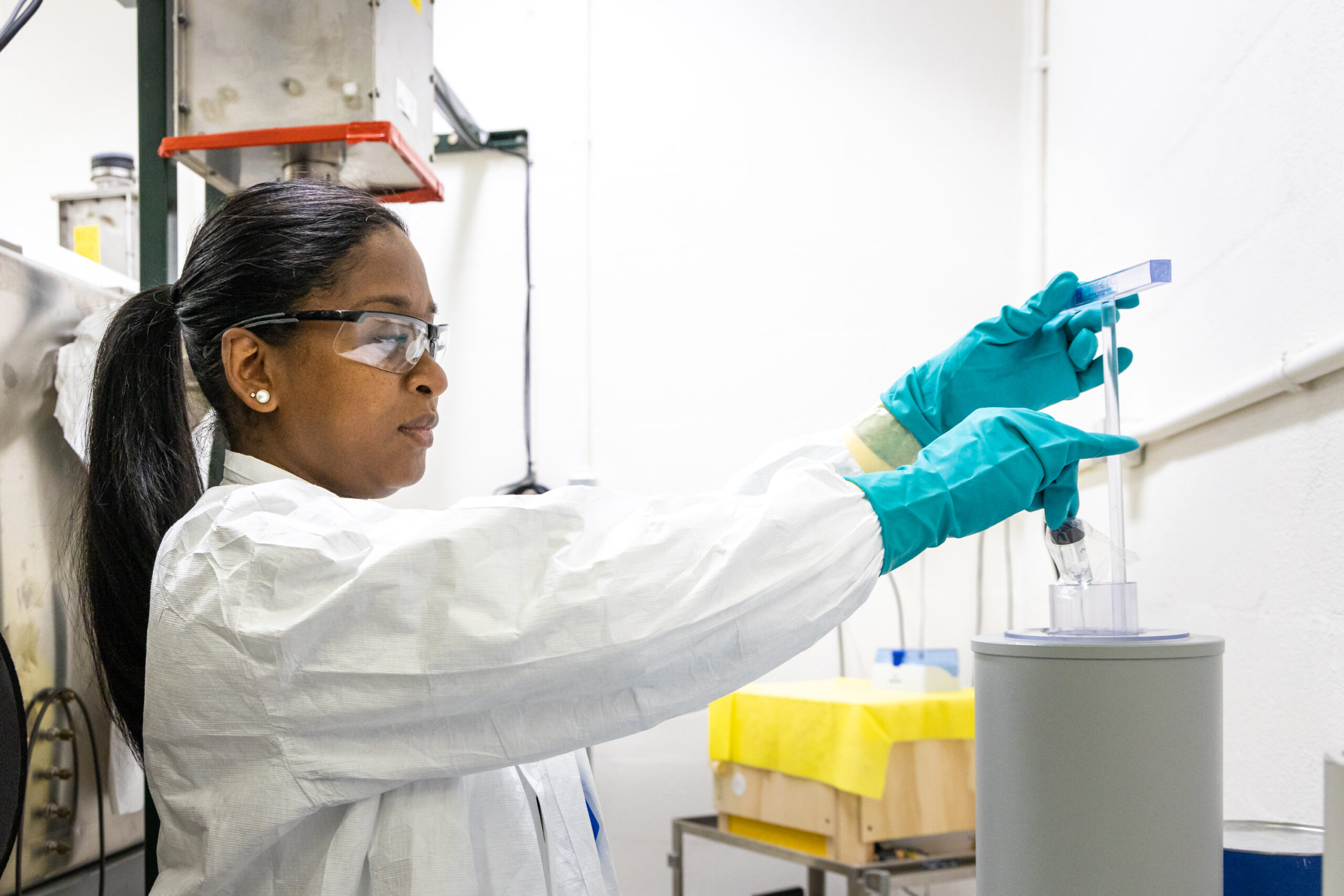
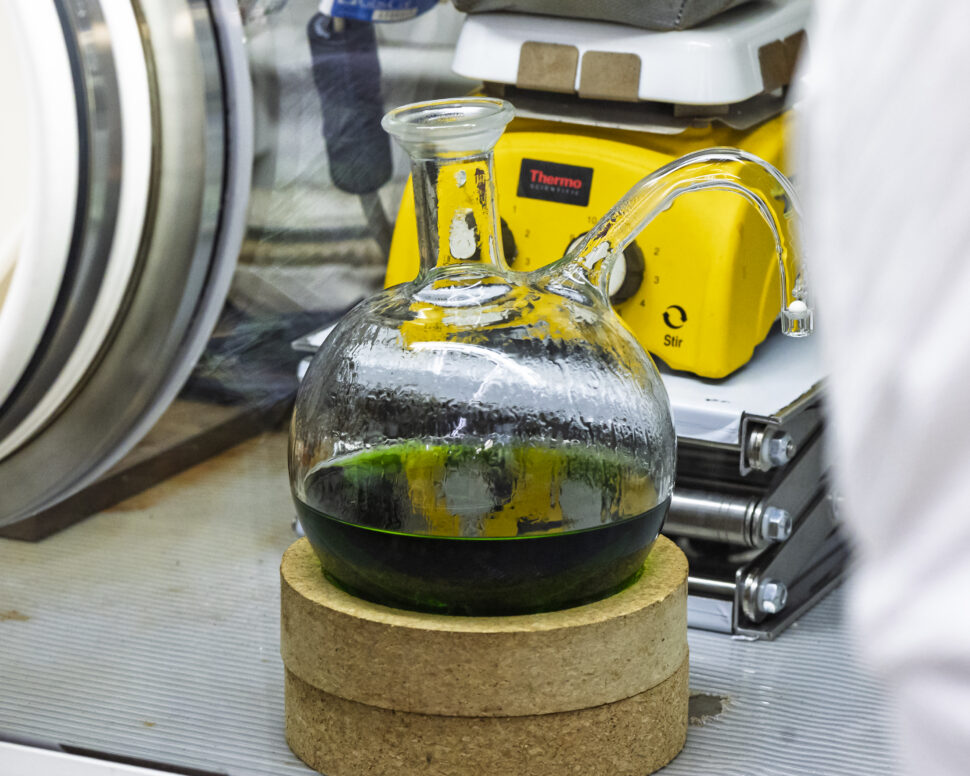
ORNL’s isotope mission is possible because of our unique labs, reactors, hot cells and technology.
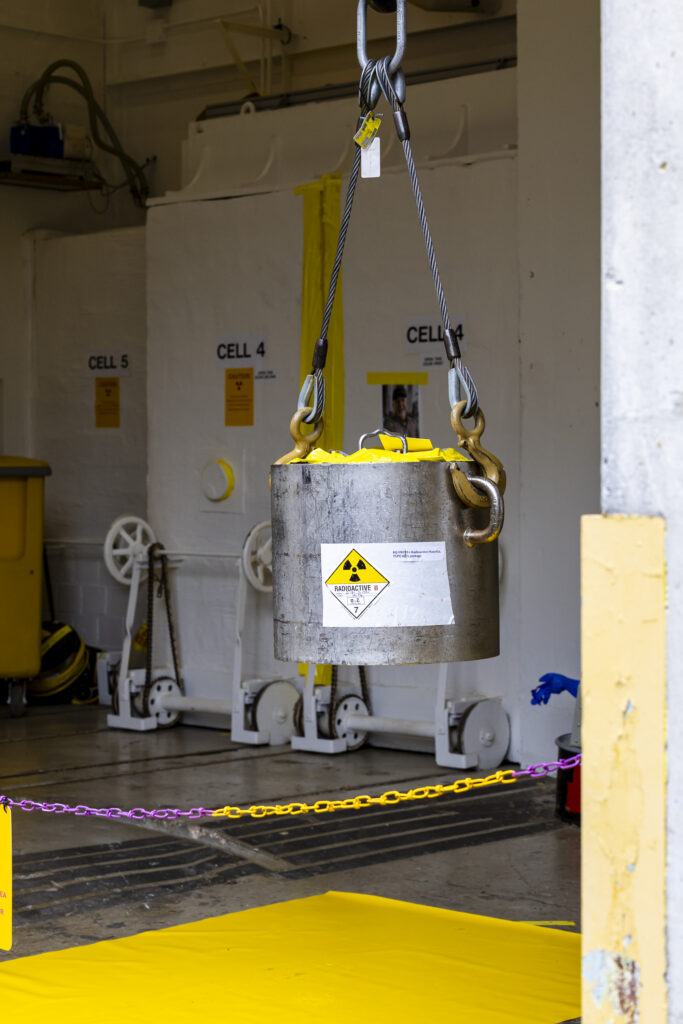
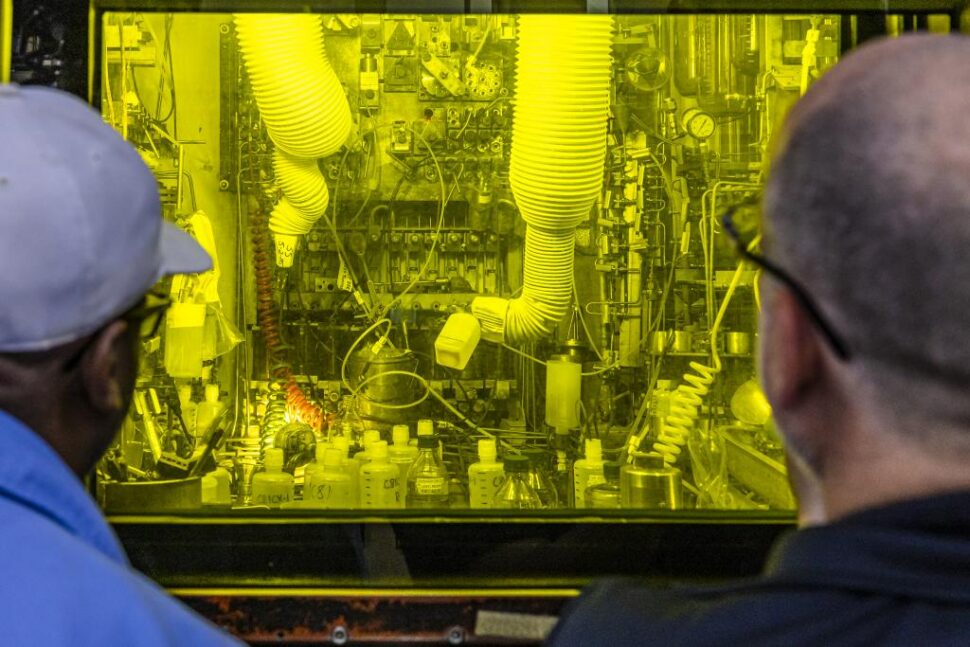
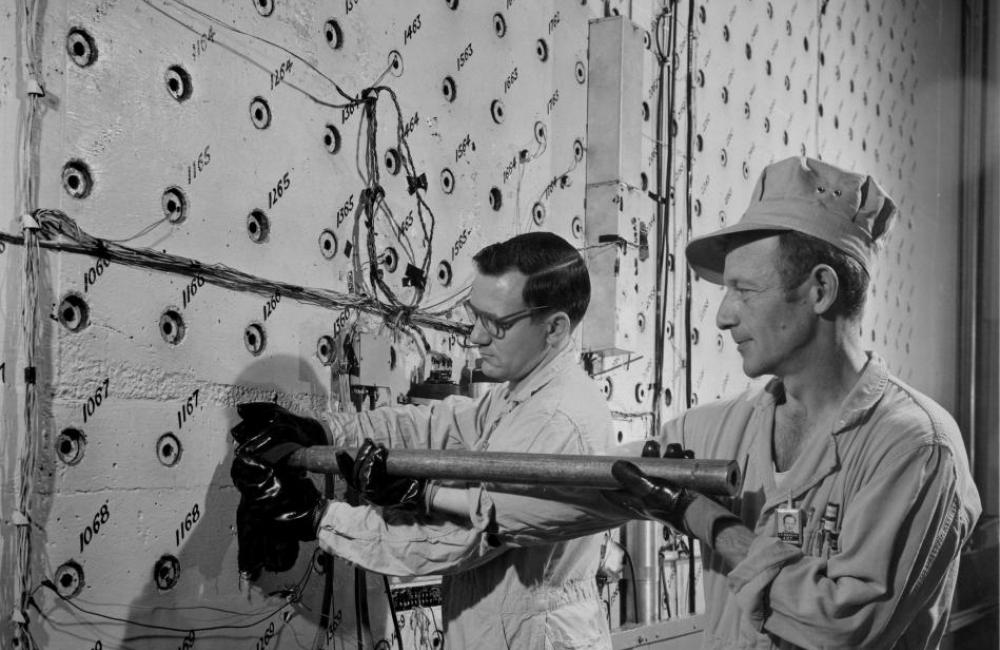
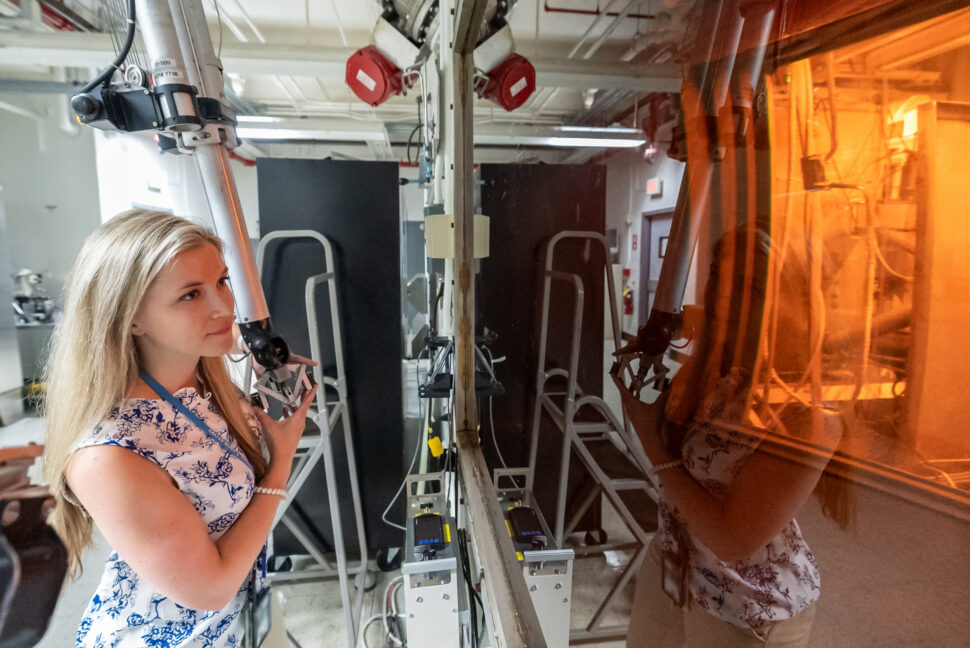
The High Flux Isotope Reactor, Radiochemical Engineering Development Center, and other specialized hot cells are among the facilities that support isotope production and research.
Frequently Asked Questions About Isotopes and ORNL
An isotope is a form of an element with the same number of protons but a different number of neutrons. Some isotopes are stable, while others are radioactive.
Stable isotopes do not undergo radioactive decay. Radioisotopes have unstable nuclei that release energy over time, giving them important applications in medicine, research, industry, and national security.
Stable isotope enrichment increases the proportion of a specific stable isotope in a material. Enriched stable isotopes support specialized applications in medicine, research, energy, industry, and advanced technologies.
Radiopharmaceuticals are medicines that contain radioactive isotopes. They can be designed for diagnostic imaging or therapies that deliver radiation to specific biological targets.
Radioisotopes can help clinicians detect and treat cancer through diagnostic imaging and targeted therapies. Some radiopharmaceuticals are designed to carry radioactive isotopes to specific biological targets associated with disease.
Radioisotopes are created through nuclear reactions that transform atoms into desired radioactive isotopes. Production methods vary by isotope and can require specialized irradiation, processing, and radiochemical capabilities.
Domestic production and enrichment strengthen U.S. access to critical isotopes used in healthcare, research, industry, energy, and national security while sustaining specialized infrastructure and technical expertise.
Domestic production and enrichment strengthen U.S. access to critical isotopes used in healthcare, research, industry, energy, and national security while sustaining specialized infrastructure and technical expertise.