Oak Ridge National Laboratory’s scientific expertise and specialized facilities drives nuclear medicine and the development of diagnostic and therapeutic radiopharmaceuticals.
How Isotopes Advance Nuclear Medicine
Targeted Therapies
Radioisotopes deliver radiation to cancer cells, destroying them while limiting damage to the body.
Diagnostic Imaging
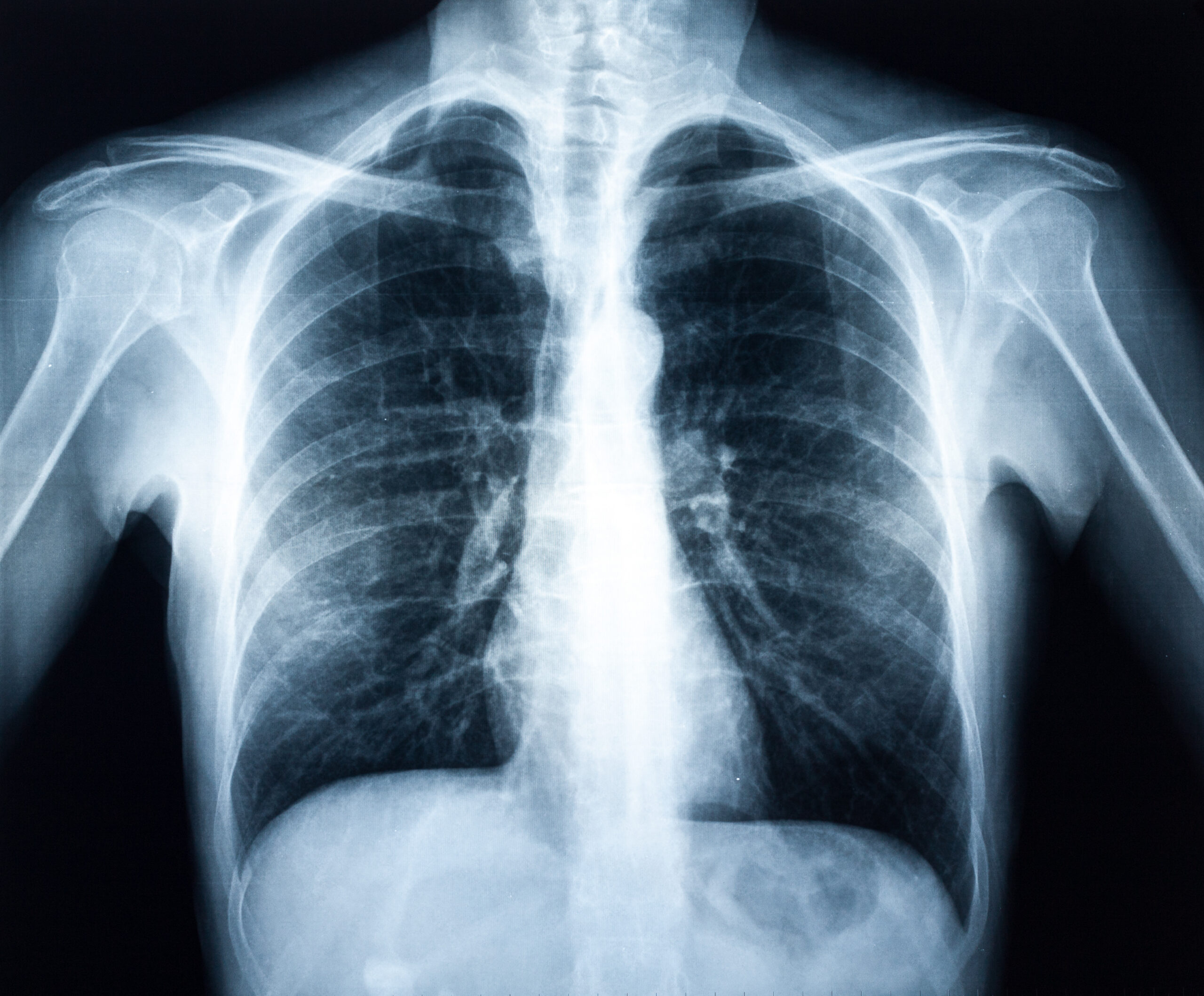
Radioisotopes help physicians identify disease, monitor progression, and evaluate response to treatment.
Radiopharmaceuticals
Isotope science advances radiopharmaceutical research to treat cancer and other major diseases.
The Science Behind Nuclear Medicine
Radioisotope Science
ORNL is pioneering radioisotope science crucial to medical research and nuclear medicine.
A Tennessee initiative brings together experts in isotope science, radiochemistry, cancer biology, molecular biology, medical research, and computational science to build an attack force against cancer.
Medical isotopes are used in nuclear medicine to help physicians diagnose disease and deliver targeted treatments. Diagnostic radioisotopes can help reveal biological processes inside the body, while therapeutic radioisotopes deliver radiation to specific disease sites, including certain cancers.
ORNL develops and produces isotopes that researchers can incorporate into radiopharmaceuticals designed to target cancer cells. By combining isotope science, radiochemistry, nuclear science, and specialized production capabilities, ORNL helps move promising medical isotopes from research toward real-world applications.
Targeted radionuclide therapy uses a radioactive isotope attached to a molecule that seeks out specific biological targets, such as markers on certain cancer cells. The approach is designed to deliver radiation directly to targeted tissue while limiting exposure to surrounding healthy tissue.
Oak Ridge National Laboratory produces and develops radioisotopes used or being studied for medical applications. ORNL’s work includes isotopes that support cancer research, targeted radiopharmaceutical therapies, and the development of new approaches to nuclear medicine.
Many medical isotopes are difficult to produce, have limited suppliers, or cannot be stockpiled for long periods because of radioactive decay. Strong domestic production capabilities help create a more reliable U.S. supply of critical isotopes while supporting research into the next generation of diagnostic tools and cancer therapies.