
Accelerating the development of transformative building and transportation technologies
The Buildings and Transportation Science Division delivers scientific discoveries and technological breakthroughs to accelerate transformative building- and transportation-related technical solutions to ensure a safe and secure energy future. The division has three primary focus areas: propulsion science, vehicle and mobility systems research and building technologies research.
Researchers develop technologies to accelerating the development of combustion, electric, and hybridized propulsion systems to enable an efficient transportation future. Vehicle and mobility research includes accelerating the development of advanced vehicles and complex mobility systems through advances in connected and autonomous vehicle technologies, communications, systems integration, and decision science. Building technologies research focuses on accelerating the development and integration of innovative advanced building equipment and novel dynamic envelope materials and systems to enable affordable, efficient, and resilient buildings.

Our strength is our people
The Buildings and Transportation Science Division brings together multidisciplinary expertise in propulsion science, mobility systems, and building technologies to advance safe, reliable, and efficient energy technologies.


Buildings Groups

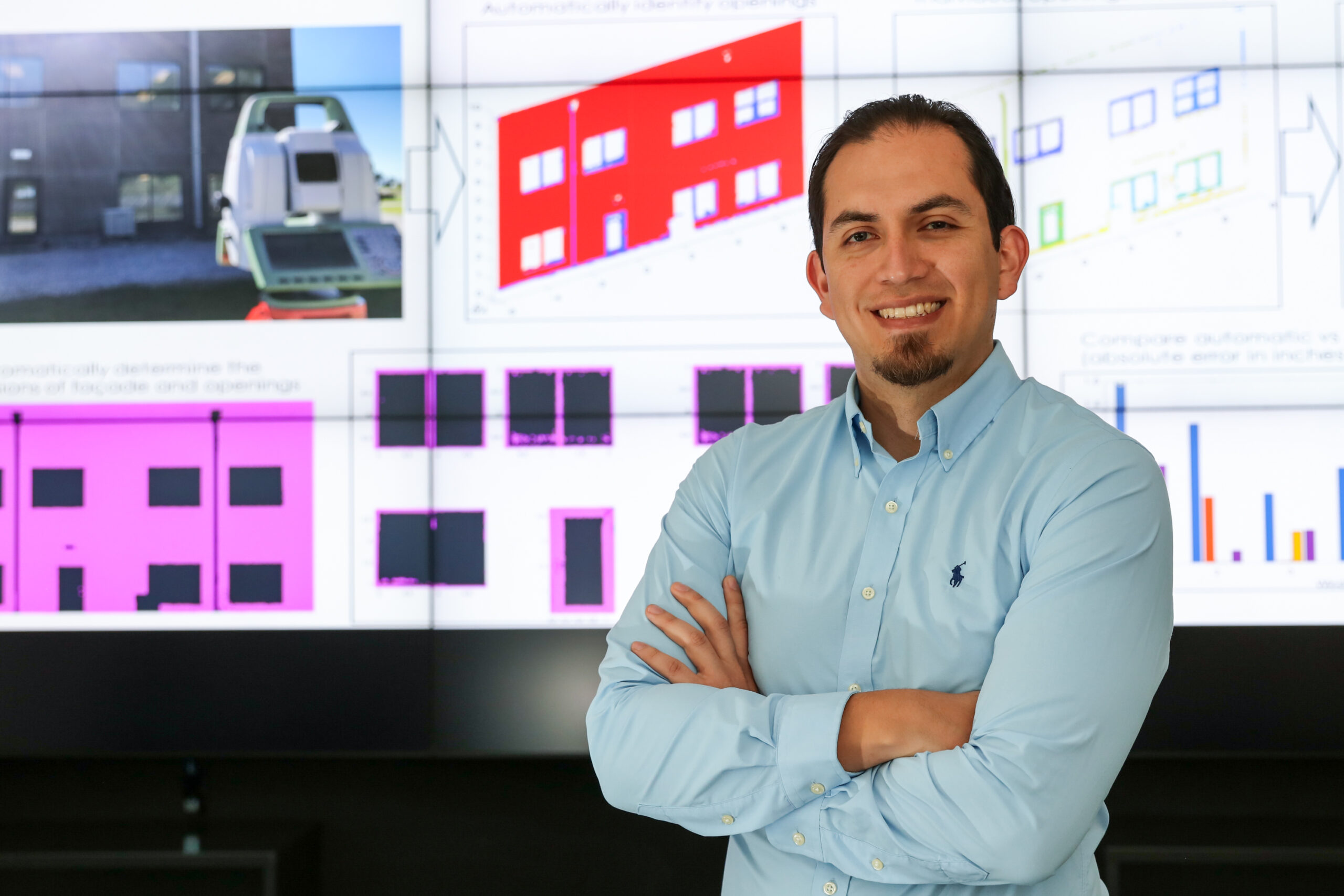
Building Envelope Materials
Evaluates building envelope materials and assemblies that integrate advanced manufacturing for construction including high-performance thermal insulation materials, self-healing materials, envelope retrofits, dynamic and moisture durable envelopes, non-destructive diagnostic tools, highly insulated windows and controls for window shading systems, and robotics and AI-driven automation.
Group Leader: Som Shrestha
Building Equipment
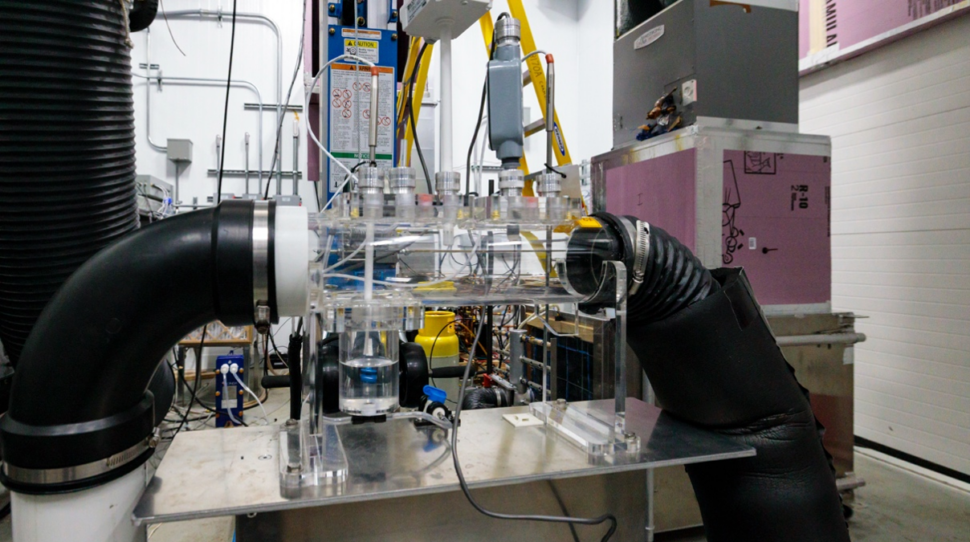
Develops residential and commercial building equipment solutions with extensive experimental facilities and advanced hardware-based design models as well as process controls and novel materials for advanced vapor compression cycles, appliances, water heaters, advanced heating, ventilation, and air conditioning systems, dehumidifiers, refrigeration systems, and next generation refrigerants.
Group Leader: Helia Zandi

Integrated Building Deployment and Analysis
Conducts research on integrated cost-effective energy solutions for residential, commercial and institutional buildings utilizing data science and supercomputing to provide project development guidance, technical support and training, field research demonstrations, evaluation of weatherization implementation results, residential weatherization energy auditing tools and training development for state organizations.
Group Leader: Piljae Im
Multifunctional Equipment Integration
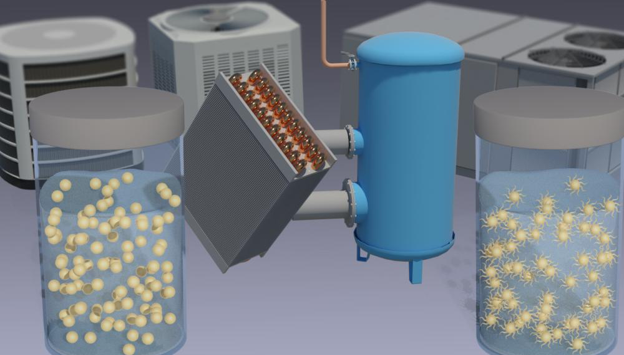
Develops building equipment solutions for grid integration, advanced energy storage and energy conversion systems by leveraging novel thermodynamics processes, advanced materials and manufacturing, and process control for use in advanced dehumidification systems and indoor air quality, energy storage solutions for air conditioning and water heating, advanced heat exchanger design for heating and novel appliances, and natural gas and hybrid fuel driven equipment.
Group Leader: Steve Kowalski
Thermal Energy Storage
Accelerates the adoption of early energy storage technologies for buildings to improve power grid load flexibility including new materials such as phase change that that can be controlled and integrated within existing advanced building equipment and envelope systems, and thermal energy storage where energy can be stored in a material as a source of heat or cold and reserved for use at a different time.
Group leader: Xiaobing Liu
Transportation Groups
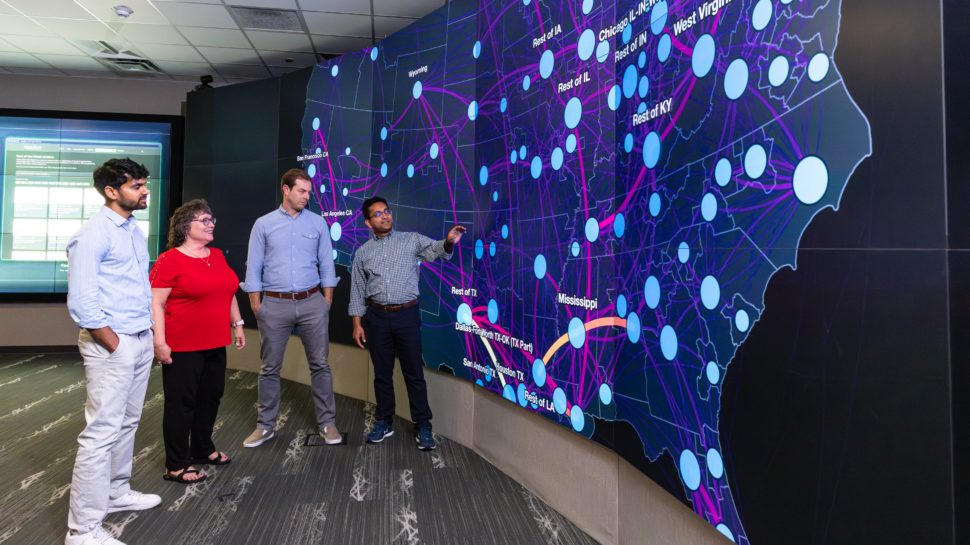
Transportation Analytics and Decision Science
Analyzes transportation systems across air, land, water, and pipeline modes using statistical and econometric modeling, machine learning, simulation, optimization, and data analytics. This work characterizes historical system performance, projects future demand under alternative scenarios, and identifies optimal system pathways to support public- and private-sector decision making.
Group Leader: Stacy Davis
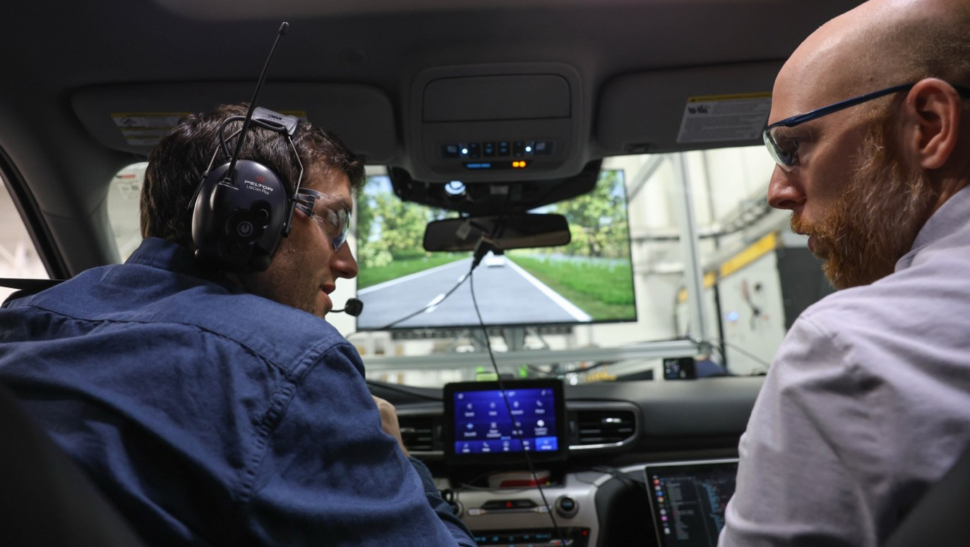
Applied Research for Mobility Systems
Bridges real-world and virtual transportation environments through advanced modeling, simulation, and hardware-in-the-loop research frameworks supporting novel technologies from component level to full traffic networks, including connected and automated vehicles. Develops laboratory-to-roadside testing, evaluation, modeling, and analysis to accelerate development and adoption of new transportation technologies.
Group Leader: Ross Wang
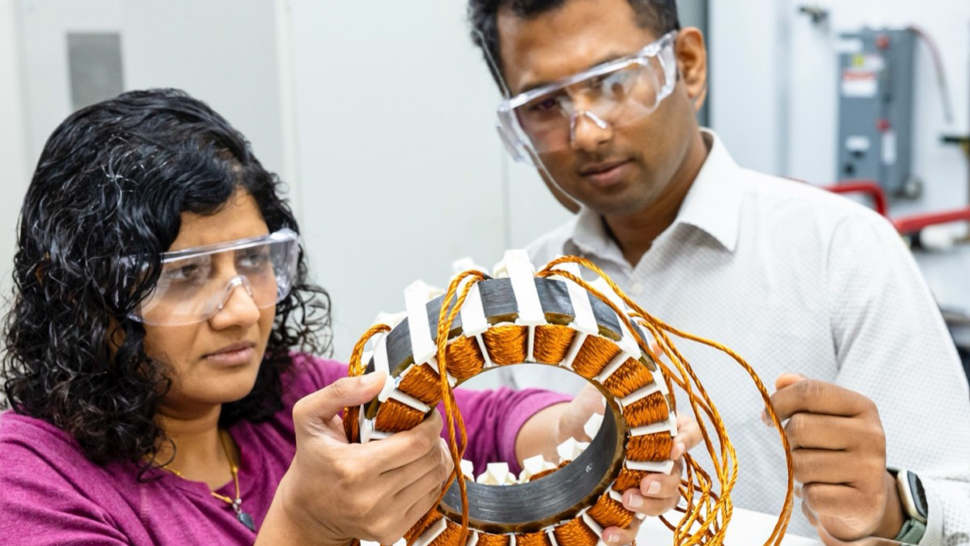
Electric Drives Research
Advances power electronics, electric machinery, and extreme fast wireless power transfer technologies through integrated analysis, simulation, design, prototyping, and evaluation to support affordable energy solutions for transportation applications from passenger to commercial vehicles. Operates user-accessible research laboratories at the National Transportation Research Center that enable collaboration with industry and academia.
Group Leader: Shajjad Chowdhury
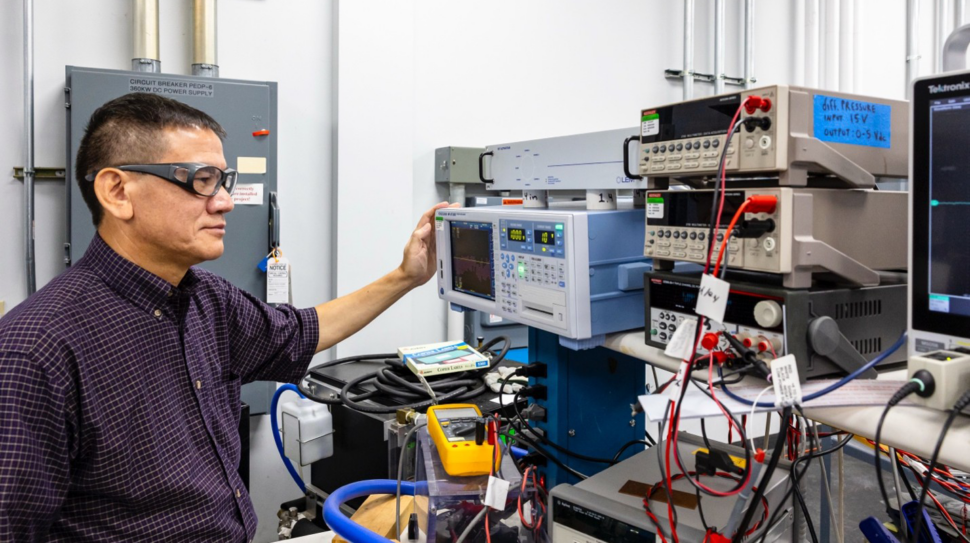
Vehicle Power Electronics Research
Leverages unique capabilities in power semiconductor device characterization, wide bandgap materials and devices, power converter and inverter design, motor technologies, thermal management, reliability assessment, and electromagnetic compatibility, supported by user-accessible facilities at the National Transportation Research Center to accelerate the development, evaluation, and deployment of next-generation electric drive systems.
Group Leader: Mostak Mohammad

Fuel Science & Engine Technologies
Advances engine and hybrid propulsion technologies for transportation and stationary power through multidisciplinary research combining thermodynamics, advanced simulation, and data-driven modeling. Addresses efficiency, emissions, transient operation, and fuel flexibility to enable next-generation combustion and hybrid systems.
Group Leader: Scott Curran

Applied Catalysis and Emissions Controls
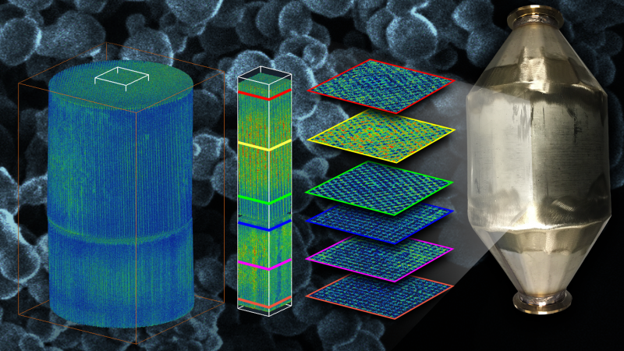
Develops advanced catalytic materials, diagnostics, and modeling capabilities to support high-efficiency powertrains, advanced combustion engines, and alternative fuels. The work spans exhaust chemistry, particulate characterization, catalyst and system design, and multiscale analysis from the atomic to the vehicle level, enabling translation of fundamental science to practical transportation applications.
Group Leader: Todd Toops
