

ORNL's Communications team works with news media seeking information about the laboratory. Media may use the resources listed below or send questions to news@ornl.gov.
1 - 10 of 36 Results

After retiring from Y-12, Scott Abston joined the Isotope Science and Engineering Directorate to support isotope production and work with his former manager. He now leads a team maintaining critical equipment for medical and space applications. Abston finds fulfillment in mentoring his team and is pleased with his decision to continue working.
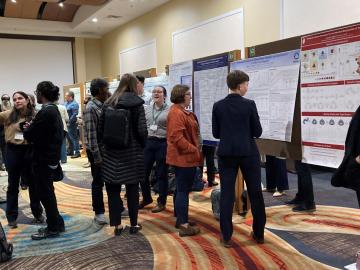
The 21st Symposium on Separation Science and Technology for Energy Applications, Oct. 23-26 at the Embassy Suites by Hilton West in Knoxville, attracted 109 researchers, including some from Austria and the Czech Republic. Besides attending many technical sessions, they had the opportunity to tour the Graphite Reactor, High Flux Isotope Reactor and both supercomputers at ORNL.
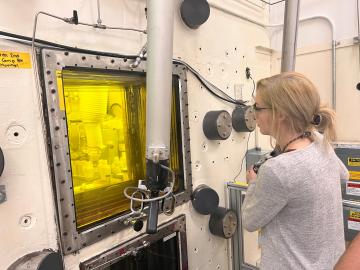
Raina Setzer knows the work she does matters. That’s because she’s already seen it from the other side. Setzer, a radiochemical processing technician in Oak Ridge National Laboratory’s Isotope Processing and Manufacturing Division, joined the lab in June 2023.

Safety, Engineering and Support Section Head Michele Baker brings strategic planning and emergency management skills to the role.
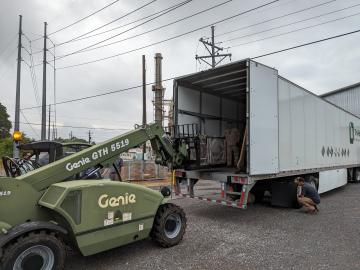
In June, ORNL hit a milestone not seen in more than three decades: producing a production-quality amount of plutonium-238

It was reading about current nuclear discoveries in textbooks that first made Ken Engle want to work at a national lab. It was seeing the real-world impact of the isotopes produced at ORNL
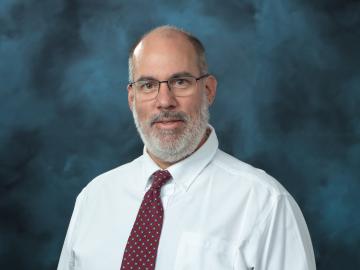
Eric Myers of ORNL has been named a senior member of the Institute of Electrical and Electronics Engineers, effective June 21.

ORNL nuclear chemist Clarice Phelps has long worked to educate the next generation of STEM scientists. A new endeavor will let her reach students entering college who need extra help mastering the basics they need to pursue careers in science.

Jacob McCulley of the Department of Energy’s Oak Ridge National Laboratory has been named a senior member of the Institute of Electrical and Electronics Engineers, or IEEE, one of the world’s largest technical professional
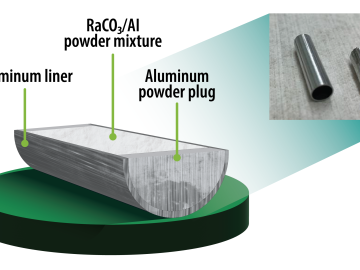
Oak Ridge National Laboratory researchers have developed a method to simplify one step of radioisotope production — and it’s faster and safer.