ORNL researchers are exploring how engineered bacterial spores could capture rare earth elements from acid mine drainage and other waste streams. The SpoREE project combines biology, AI and advanced analysis to develop reusable materials for recovering critical minerals.
A battery material can meet key performance measures in a small laboratory cell yet fall short when researchers build it into a complete battery cell. At ORNL, researchers in the STAR Lab are tackling that challenge by studying whether new battery technologies can withstand the demands of manufacturing and use.
LandScan Mosaic is a new global population distribution dataset from ORNL that models how buildings are used and occupied throughout the day. It provides more detailed population estimates and measures of uncertainty to support applications including disaster response, infrastructure planning and national security.
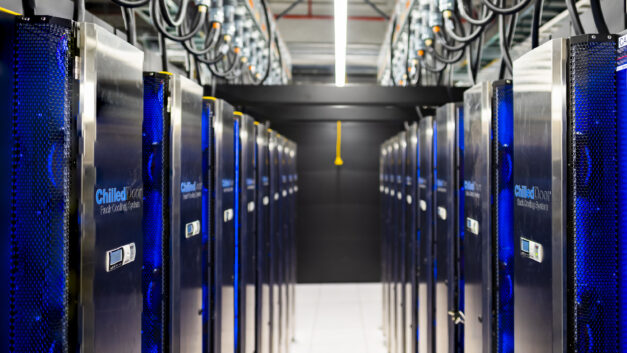
ORNL researchers developed a new optimization method that can quickly determine which generators should operate as power grids accommodate growing electricity demand from AI data centers. In testing, the method cut computation time for a 276-generator system from about 10 hours to less than one second while maintaining cost and reliability.
ORNL researchers developed a low-cost detector that continuously monitors air ducts at nuclear fuel cycle facilities for nuclear material buildup. The device can alert operators to potential safety and security concerns while providing more frequent monitoring than current methods.
Turning a new energy or manufacturing technology into a company can take years of research, specialized equipment and substantial investment. For nearly a decade, Innovation Crossroads, rooted at Oak Ridge National Laboratory, has given hard-tech entrepreneurs access to resources designed to help overcome those barriers.
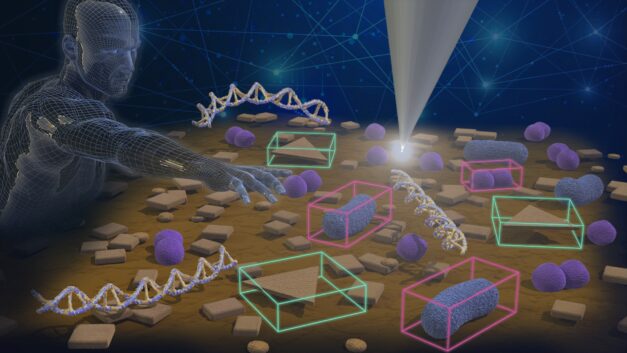
ORNL researchers developed SimuScan, an AI framework that uses realistic synthetic data to identify nanoscale features in atomic force microscope images. It can guide microscopes toward the most informative areas of a sample for closer study.
ORNL researchers developed two domestically sourced materials for Smith-Root’s environmental DNA samplers that are cheaper and meet or exceed performance requirements. The materials could improve filtration while reducing reliance on international suppliers.
ORNL researchers developed an algorithm to help utilities and planners choose locations for urban power generation and storage projects. The tool considers grid infrastructure alongside local policies, costs, community priorities and other real-world factors.
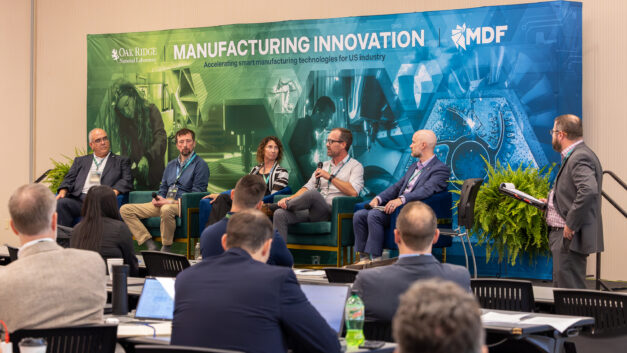
ORNL’s M2IND brought together more than 350 leaders from industry, government and research to address manufacturing challenges, including supply chains, workforce gaps and technology qualification. The forum also highlighted new partnerships and advanced manufacturing projects aimed at accelerating U.S. industrial deployment.
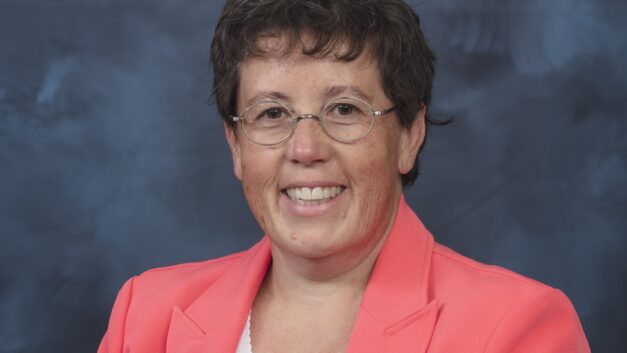
ORNL radiochemist Lætitia Delmau was elected a 2026 American Chemical Society Fellow for her contributions to radiochemical separations, actinide science, mentoring and service. She was also named an ACS Industrial and Engineering Chemistry Division Fellow for her research, leadership and professional service.
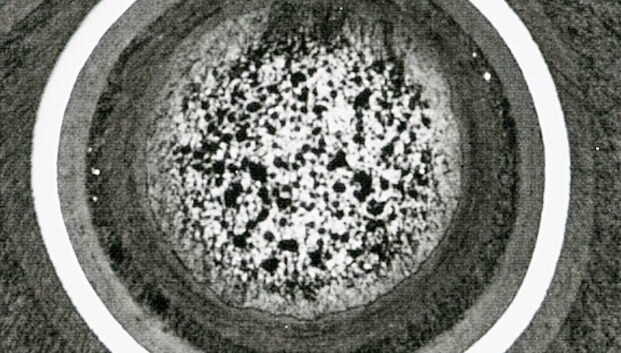
ORNL researchers measured how irradiation changes the mechanical properties of individual layers in HALEU TRISO fuel particles. The results will help improve fuel performance models and support advanced gas reactor development.