Menu



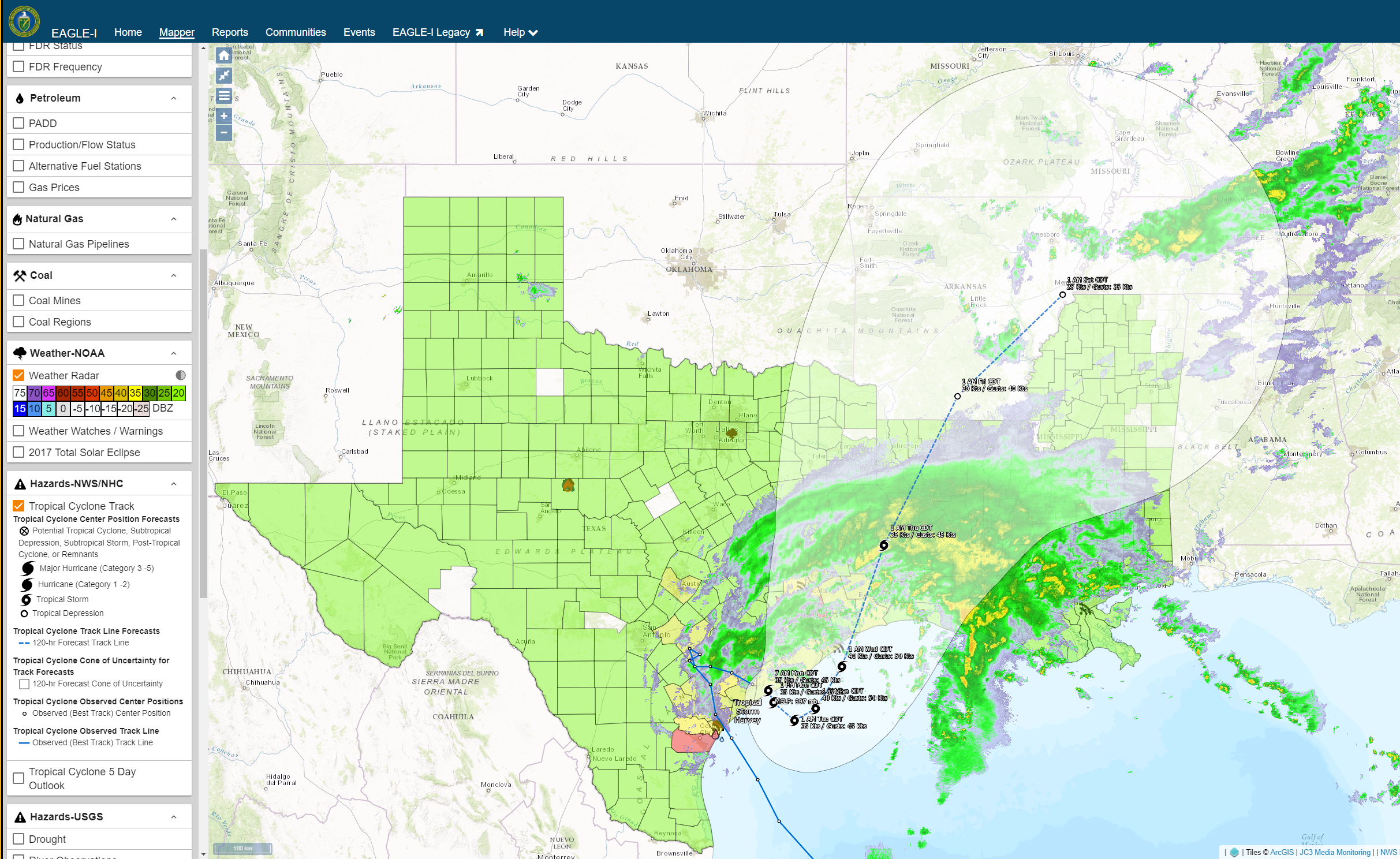
Responding to moving populations
Responding to moving populations
The Human Dynamics Section develops data, models, and computational approaches that utilize observation and measurement digital traces to provide insights into human activities and interactions with the environment from local to planetary scales.
Our Research

Critical Infrastructure Resilience
Develops novel datasets, models, algorithms and tools using spatial and aspatial static and dynamic datasets to analyze, visualize and forecast interactions between natural systems, social systems and the built environment.

Geoinformatics Engineering
Explores cutting-edge computing solutions for large-scale geographic information systems with an emphasis on real-time, dynamic systems.

Geospatial Data Modeling
Supports geospatial data and models to support DOE, DOD, DHS, and various other federal, state, and regional agencies for various national security missions and natural disaster response.


Human Geography
Reveals the dynamic human landscape—at the planet, country, neighborhood, and building levels—to identify vulnerable populations and explore the impacts of weather events, geopolitical conflicts, or changes in governmental policies.
Contact
