One Program, Three Fellowships
ORNL’s Distinguished Staff Fellowships honor three scientists whose research and leadership shaped the laboratory. The names reflect broad research traditions within one fellowship program. Candidates submit one application, and ORNL assigns the fellowship designation to each selected candidate based on the candidate’s research area.


Russell Fellows typically pursue research in the biological sciences, biomolecular chemistry, computational biology, and environmental and ecosystem sciences. Their work can connect fundamental understanding with the computational and experimental capabilities needed to study complex biological and environmental systems.
About Liane B. Russell
The fellowship honors Liane B. Russell, a geneticist who worked at ORNL from 1947 to 2002. Her research advanced the understanding of basic mammalian genetics. In 1973, she became the first woman to receive the international Roentgen Medal.
Research Alignment
Russell Fellows are commonly selected from fields such as:
- Biological sciences
- Biomolecular chemistry
- Computational biology
- Environmental and ecosystem sciences
The designation is based on the selected candidate’s research area. Applicants should frame their proposed work around an ORNL research priority and explain how the work relates to relevant laboratory programs.

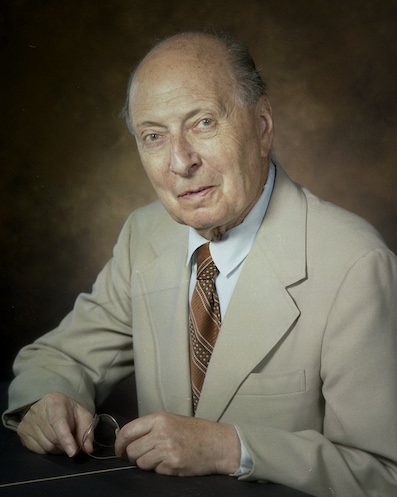
Weinberg Fellows generally pursue applied, experimental, or computational research in science and engineering. Their work often connects scientific understanding with technologies, processes, and systems that address energy and other DOE mission needs.
About Alvin M. Weinberg
The fellowship honors Alvin M. Weinberg, ORNL’s longest-serving director, who led the laboratory from 1955 to 1973. A strong advocate for nuclear energy, he also contributed to national discussions about science and public policy.
Research Alignment
Weinberg Fellows commonly demonstrate expertise in fields such as:
- Chemistry and chemical engineering
- Radiochemistry
- Materials science and engineering
- Nuclear science and engineering
- Manufacturing science and engineering
The designation is based on the selected candidate’s research area. Applicants should frame their proposed work around an ORNL research priority and explain how the work relates to relevant laboratory programs.

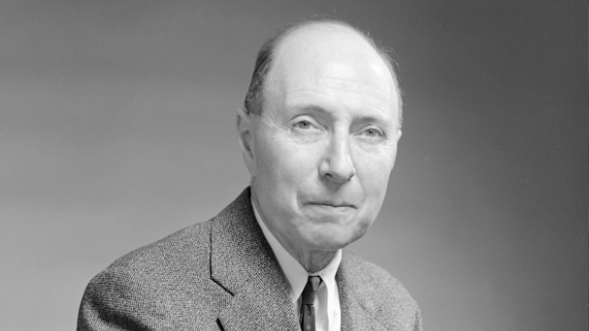
Wigner Fellows typically pursue research in the fundamental sciences. Their work can combine theory, computation, and experiment to deepen scientific understanding and open new directions in materials, chemistry, physics, neutron science, and fusion energy.
About Eugene P. Wigner
The fellowship honors Eugene P. Wigner, ORNL’s first director of research and development, who served from 1946 to 1947. Wigner received the 1963 Nobel Prize in Physics.
Research Alignment
Wigner Fellows commonly demonstrate expertise in fields such as:
- Advanced materials
- Chemistry
- Computational science
- Neutron scattering
- Nuclear physics
- Plasma and fusion energy sciences
The designation is based on the selected candidate’s research area. Applicants should frame their proposed work around an ORNL research priority and explain how the work relates to relevant laboratory programs.