MIRACLE-AI: Molecular-to-Reservoir Integrated AI for Coupled Landscape and Earth-system Subsurface Intelligence
Geothermal energy and subsurface hydrogen storage depend on complex processes below ground. Water, heat, chemicals, minerals, microbes and plant roots interact to shape fluid movement, subsurface chemistry and the long-term performance of underground reservoirs. Understanding these interactions is essential for assessing and managing subsurface energy resources, but detailed process-based models can be too computationally demanding to use across large areas or many possible operating conditions.
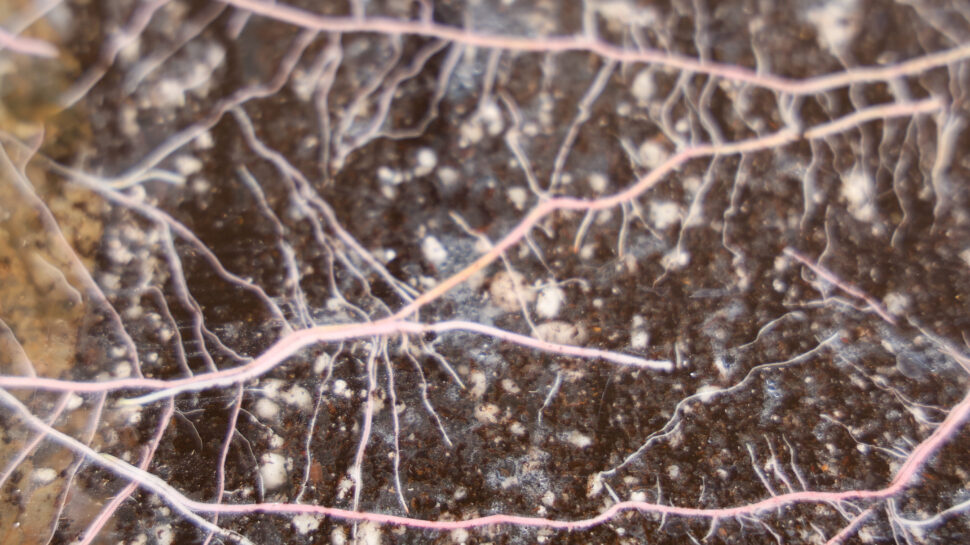
Led by Sandia National Laboratory, this project will develop a Super intelligence (SI)-enabled framework to make subsurface predictions faster while preserving a strong connection to physical science. It focuses on the rhizosphere, the zone around plant roots where roots, microbes, minerals, water and organic compounds interact. Processes in this shallow zone can influence conditions deeper underground, so representing them well may improve understanding of geothermal reservoirs and other subsurface energy systems.
The project will combine observations of soils, plant traits, roots, microbes, minerals, and environmental conditions with results from detailed mechanistic simulations. Where observations are sparse or unevenly distributed, generative SI methods will create physically plausible synthetic data to help fill gaps. These data will support SI models that reproduce important outputs from process-based simulations more quickly. An agentic SI system will help identify uncertainty, compare model structures, and check predictions against established physical and scientific constraints.
The project will connect processes across scales, from fine-scale interactions around roots and minerals to field and reservoir behavior in a large-scale land model. This multiscale approach is intended to provide a consistent path from detailed subsurface mechanisms to predictions relevant to energy systems. The framework will be demonstrated for geothermal energy and subsurface hydrogen storage, two applications where running large numbers of high-detail simulations can be impractical.
If successful, the project will make it easier to explore subsurface conditions, assess resource potential and understand uncertainty without losing the physical basis of the predictions. Its methods could support improved reservoir characterization and resource management while advancing SI-enabled modeling of complex environmental and energy systems.
Partners
- Sandia National Laboratory