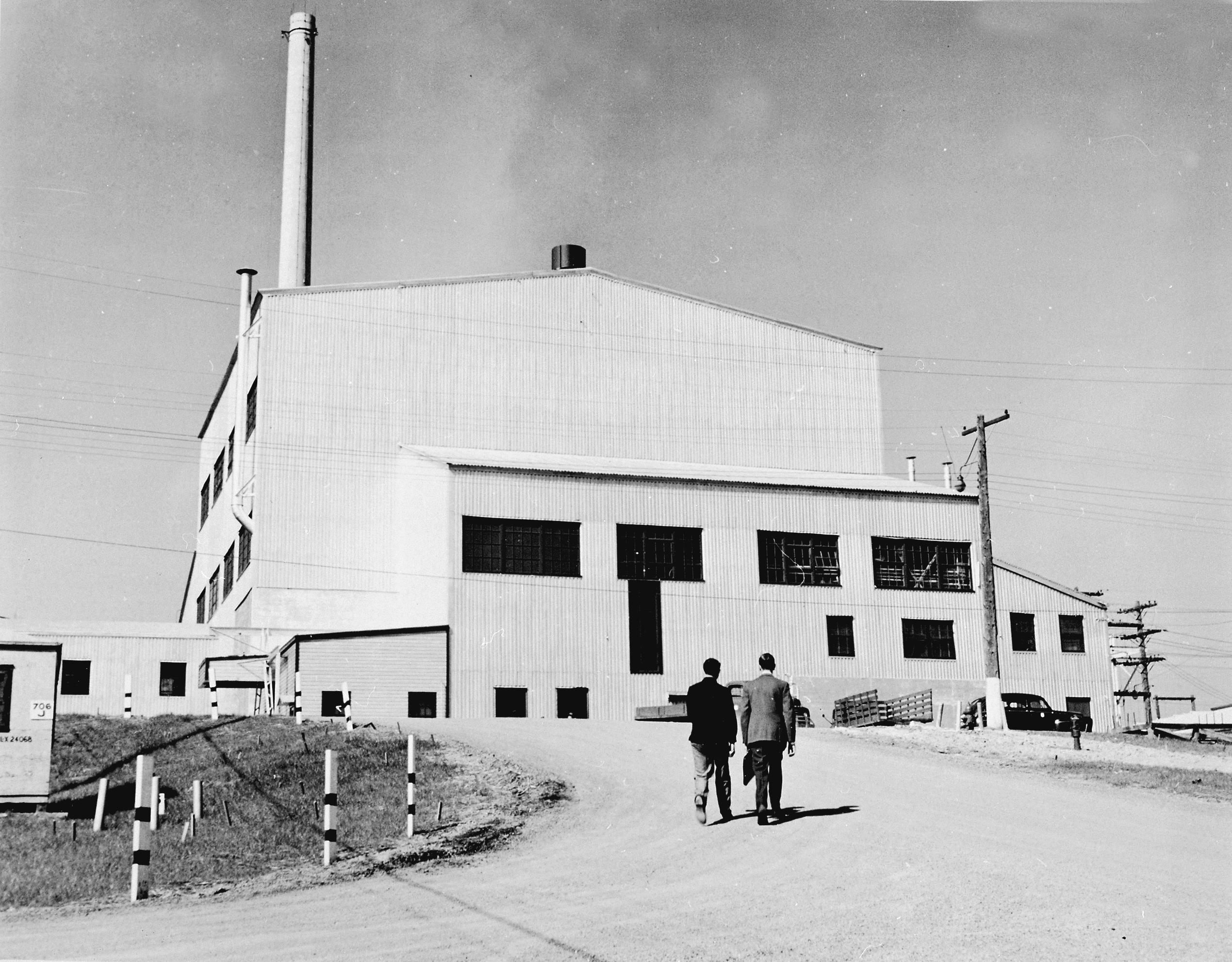
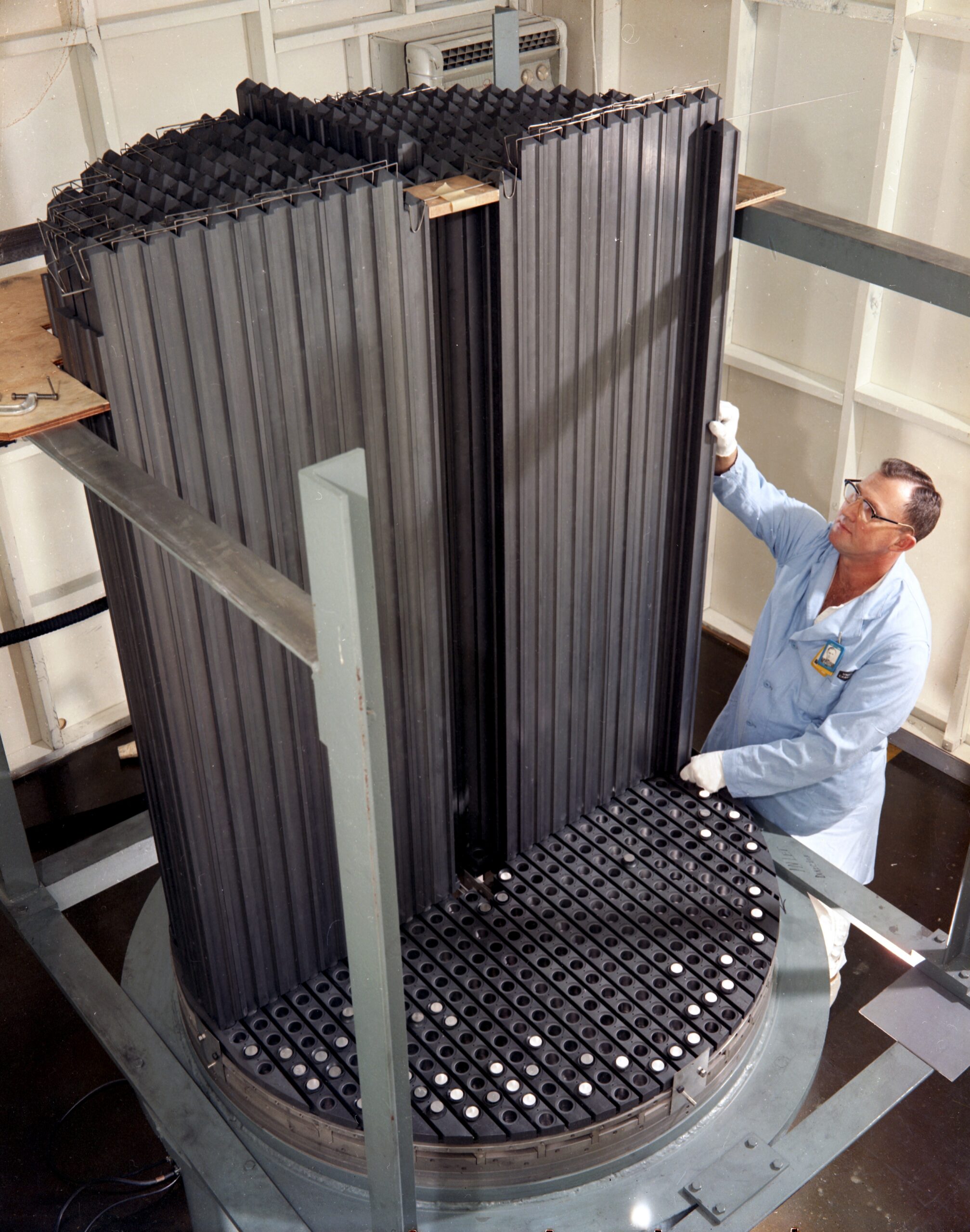
The Graphite Reactor, the world’s first continuously operated nuclear reactor, goes critical at the Manhattan Project’s X-10 site – now known as Oak Ridge National Laboratory.
1950: The Low-Intensity Test Reactor
The Low-Intensity Test Reactor establishes the feasibility of water-cooled reactors.
1950: The Bulk Shielding Reactor
The Bulk Shielding Reactor begins operations and is used for studying radiation shielding and materials irradiation.
1952: The Homogeneous Reactor Experiment
The Homogeneous Reactor Experiment goes critical and provides the first nuclear-generated electricity to the commercial power grid.
1954: The Aircraft Reactor Experiment
The Aircraft Reactor Experiment is the first molten salt reactor design to go critical and leads to the development of several new reactor designs.
1954: Tower Shielding Reactor I
Tower Shielding Reactor I begins operations and holds a reactor and its shielding 200 feet above ground, which offers unique research capabilities.
1955: The Geneva Reactor
The Geneva Reactor debuts at the first United Nations International Conference on the Peaceful Uses of Atomic Energy—becoming the prototype of future “swimming pool” reactors.
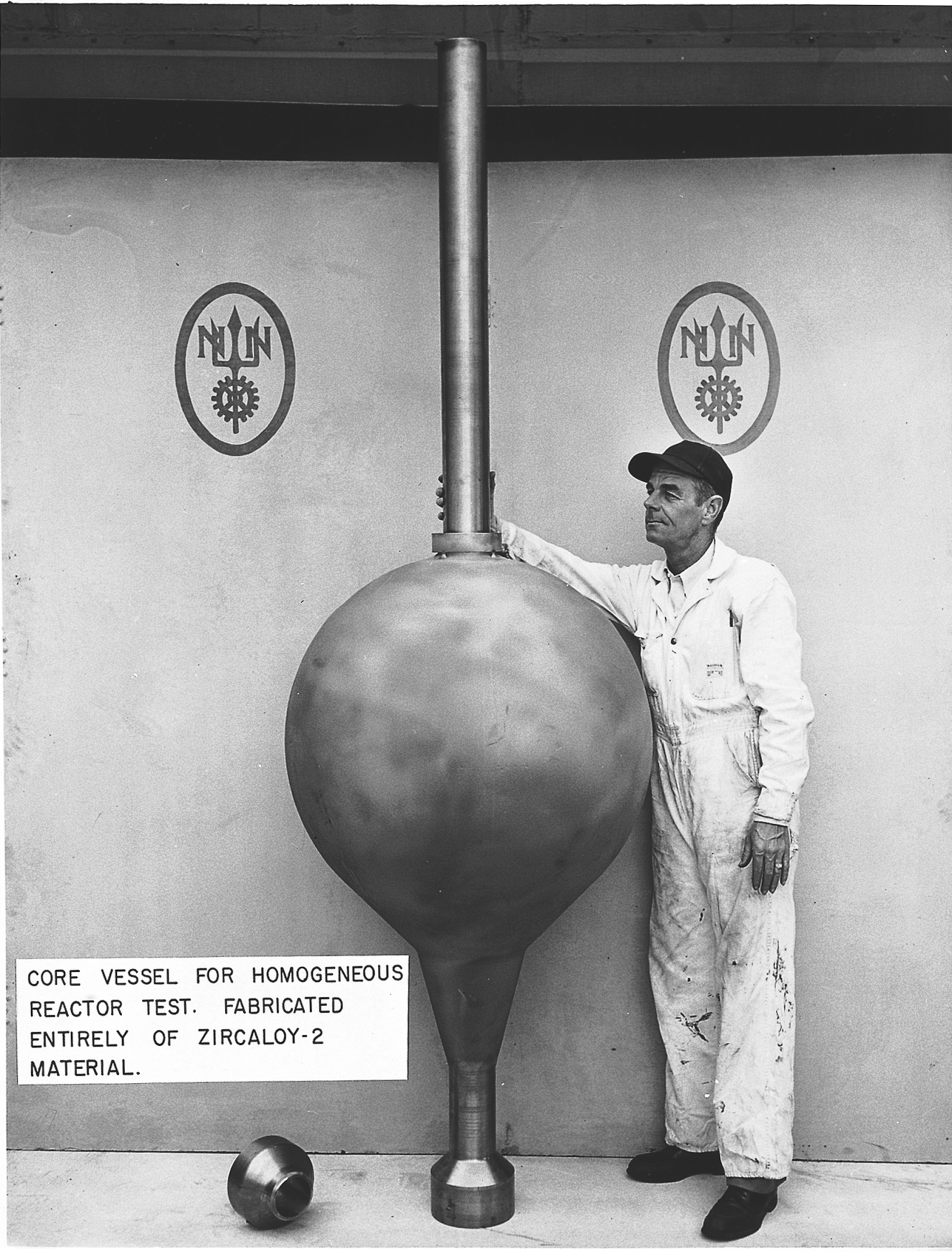
1957: The Homogen-eous Reactor Test
The Homogeneous Reactor Test starts up and offers valuable insights for the development of future nuclear facilities.
5.0.3
1958: Tower Shielding Reactor II
Tower Shielding Reactor II goes critical and provides valuable data in shielding materials and air scattering in more than 30 years of operation.
1958: The Oak Ridge Research Reactor
The Oak Ridge Research Reactor starts up and becomes the world’s major supplier of radioisotopes, while supporting numerous research efforts.
1963: The Health Physics Research Reactor
The Health Physics Research Reactor goes critical and is home to research focused on dosimetry development and radiobiology studies.
1965: The Molten Salt Reactor Experiment
The Molten Salt Reactor Experiment begins operations using uranium-235. Three years later, the reactor breaks new ground by using uranium-233 for fuel.
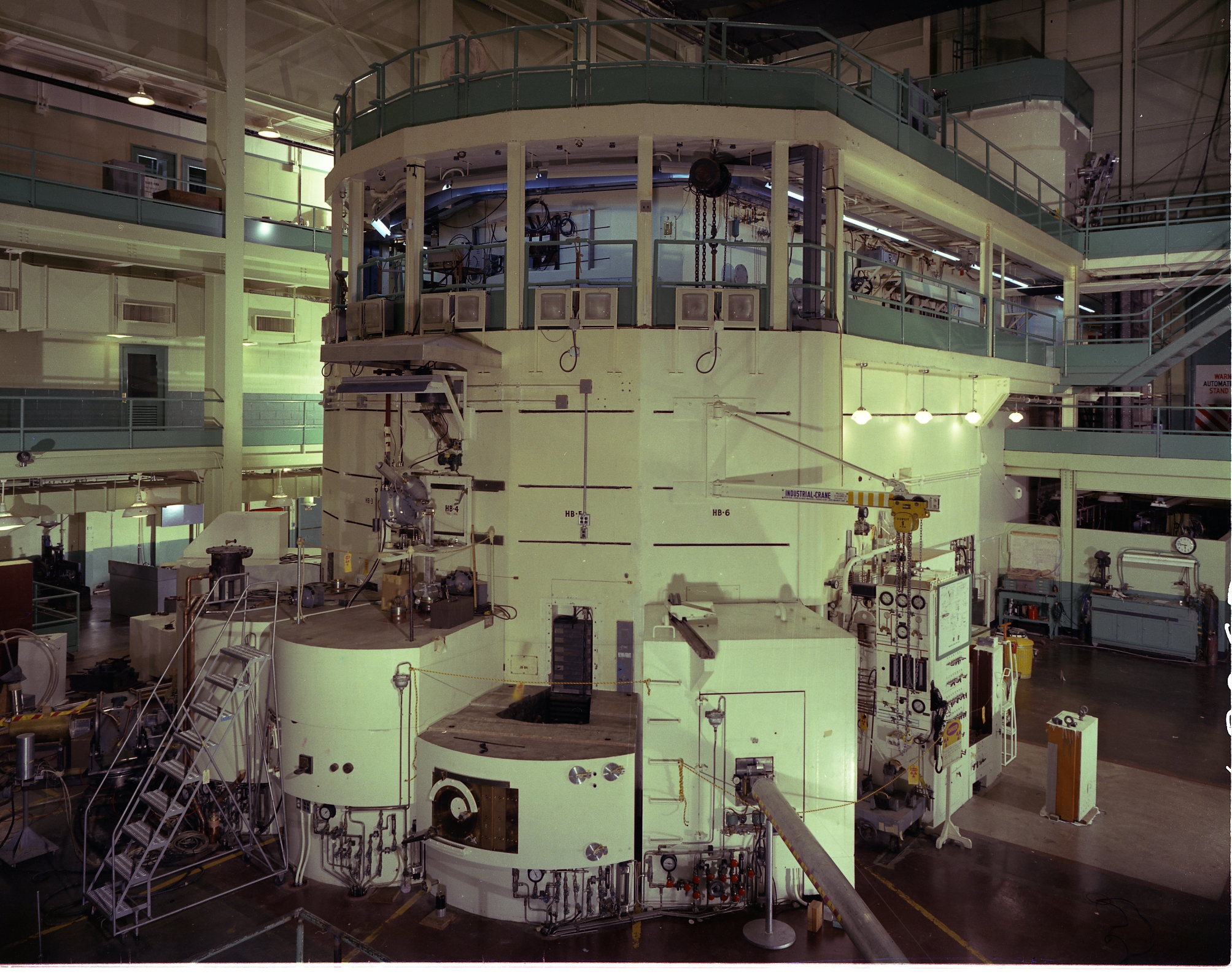
1965: The High Flux Isotope Reactor
The High Flux Isotope Reactor achieves criticality, producing super heavy elements and also being used for groundbreaking materials science.