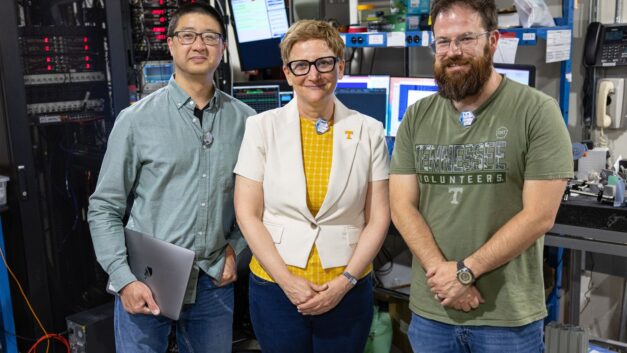
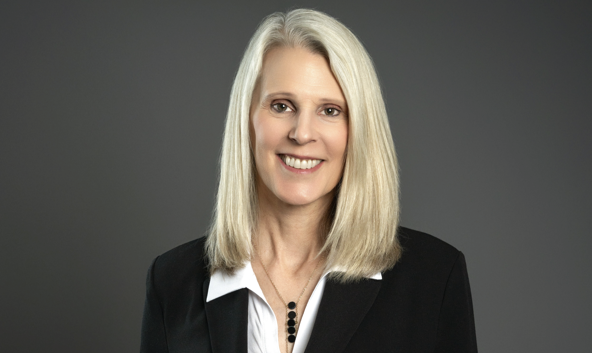
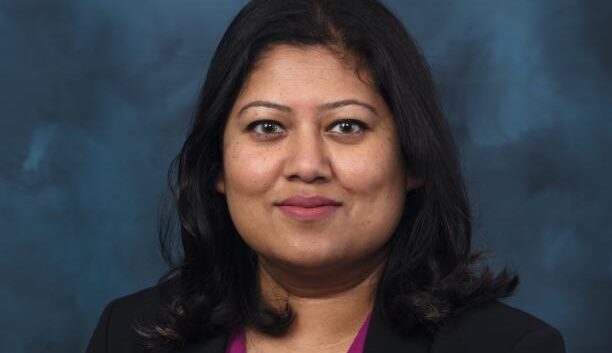
Researchers at ORNL and the University of Tennessee, Knoxville, demonstrated an AI-driven workflow that guided data collection in real time during a beamline experiment at Cornell University's CHESS facility. The approach allowed the AI to adjust measurements as data was collected, advancing autonomous scientific research and supporting DOE's Genesis Mission.
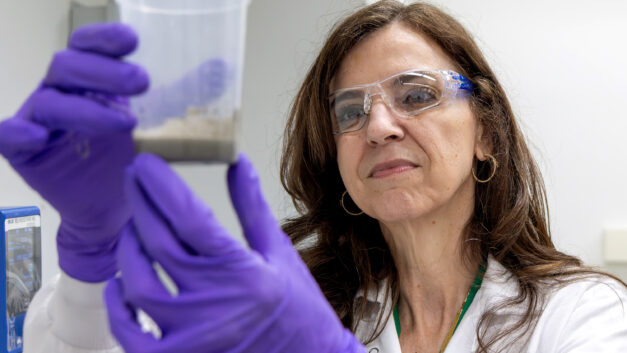
Oak Ridge National Laboratory researchers developed a high-throughput microbial QTL mapping platform that combines synthetic biology, AI, automation and gene editing to identify the genetic basis of complex bacterial traits up to 10 times faster than previous methods. The platform enables more precise engineering of microbes for applications including specialty chemicals manufacturing, bioenergy and critical minerals recovery, and is available for licensing.
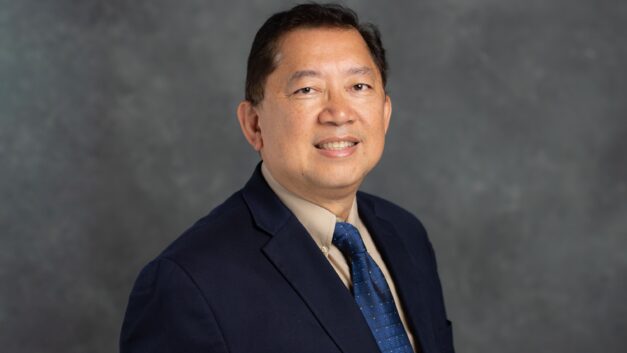
Rigoberto "Gobet" Advincula, a Governor's Chair Professor jointly appointed at ORNL and the University of Tennessee, has been named a 2026 Fellow of the American Chemical Society's Industrial & Engineering Chemistry Division.
ORNL has licensed a suite of cryogenic pellet fueling technologies to Type One Energy, advancing a critical capability for high-performance fusion plasma operations. The agreement, signed at the Nuclear Opportunities Workshop (NOW) in Knoxville, Tennessee, outlines the use of four ORNL inventions supporting the design and operation of cryogenic pellet fueling systems.
ORNL has developed a new californium-252 processing method that reduces separation time by about a week while maintaining the same quality. As the only producer of californium-252 in the western world, ORNL is also increasing production to meet growing demand for the isotope.
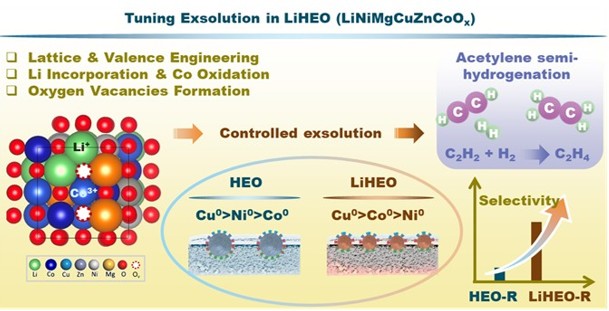
Scientific Achievement: Exsolution behavior in high-entropy oxides (HEOs) were rationally tuned through coupled lattice- and valence-engineering, resulting in a highly active and selective catalyst for acetylene semi-hydrogenation to ethylene.Significance and Impact: This work establishes entropy-enabled lattice and valence engineering as a facile route to programmable exsolution for enhanced catalysis in diverse processes such as dry reforming of methane or reduction of alkynes to olefins.DOI: 10.1002/anie.9920205
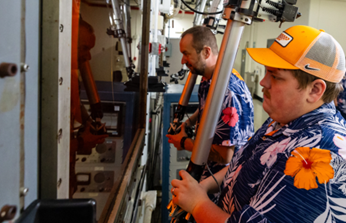
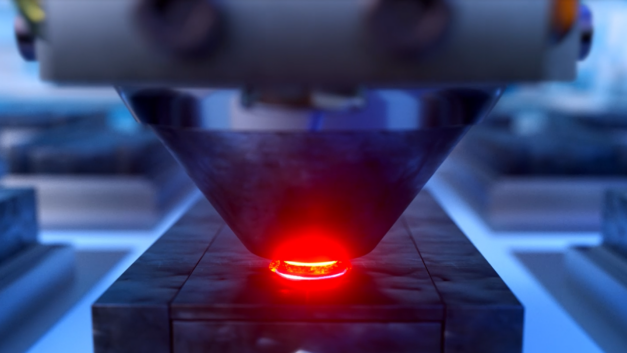
Using neutrons at ORNL, researchers from The Ohio State University are studying residual stress caused by friction stir welding to reveal how to strengthen armor steel welds, like those used in military vehicles. The team’s results will help fine-tune welding parameters to create a roadmap for engineering better armor systems. They brought their research to ORNL’s HFIR due to the facility’s neutron production capabilities.
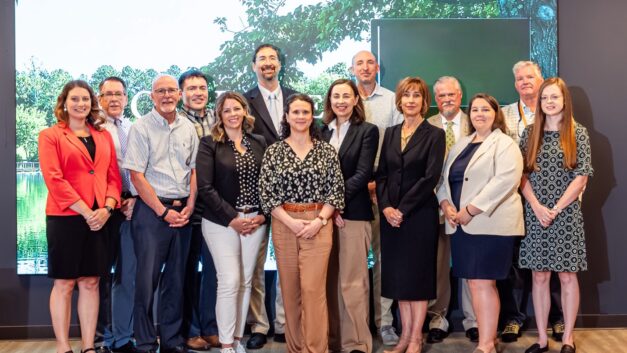
Oak Ridge National Laboratory and the National Laboratory of the Rockies have launched the ACCENT Center, a national hub to accelerate the development of advanced cement and concrete materials and strengthen the U.S. supply chain. The center combines testing, AI-driven modeling, data resources, and pilot-scale production to speed innovation and support infrastructure, housing, and industrial competitiveness.
ORNL and Rutherford Energy Ventures have launched FULCRA, a public-private partnership to develop shared fusion testbed infrastructure and a new model for advancing fusion technologies. The initiative will create a blueprint for shared-use facilities that help validate critical fusion components and accelerate fusion energy commercialization.
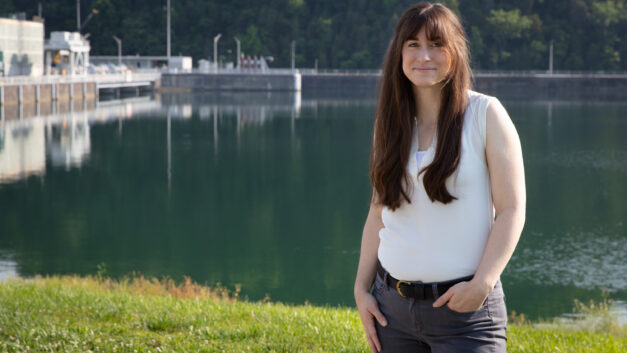
ORNL water resources engineer Carly Hansen studies how existing non-powered dams could also support hydropower without disrupting their current purposes. An ORNL-led assessment with Idaho National Laboratory identified 4 gigawatts of potential hydropower capacity at a subset of more than 2,600 non-powered dams using improved streamflow data and site-specific modeling.
Internationally recognized radiopharmaceutical scientist Carolyn Anderson has been named the UT-ORNL Governor's Chair for Nuclear Medicine: Radiopharmaceutical Therapies, joining the University of Tennessee and Oak Ridge National Laboratory to advance targeted cancer therapies. Her appointment strengthens Tennessee's growing leadership in nuclear medicine through collaborative research, isotope science, and the development of next-generation cancer treatments.
Maria Mahbub, an ORNL research associate, develops trustworthy AI methods for healthcare, national security and drone detection, with a focus on improving AI reliability and robustness. Her work combines machine learning with domain expertise to help ensure AI systems perform accurately and reliably in real-world applications.