

Grid Research Innovation and Development Center
Advancing the Integrated, Modern Grid
The Grid Research Innovation and Development Center (GRID-C) at Oak Ridge National Laboratory combines multiple electrification research activities across the utility, buildings, and vehicle space into one 52,000 sq. ft. facility. The combination of innovative research and development in power and energy systems, vehicle and buildings science, power electronics, energy storage, sensors and controls, data science and modeling, and cybersecurity enables breakthroughs to support a resilient and secure power grid from the first instant of electricity generation to end use.
ORNL’s mission at GRID-C is to develop technological solutions to advance the dynamic and efficient interaction of the electric delivery system, buildings, and vehicles.
The unique, multipurpose research environment at GRID-C is available to industry, academic, and government partners who wish to access its state-of-the-art capabilities and world-class expertise to mutually develop innovative technologies for grid security, resilience, and reliability.

Sensors and Data Analytics
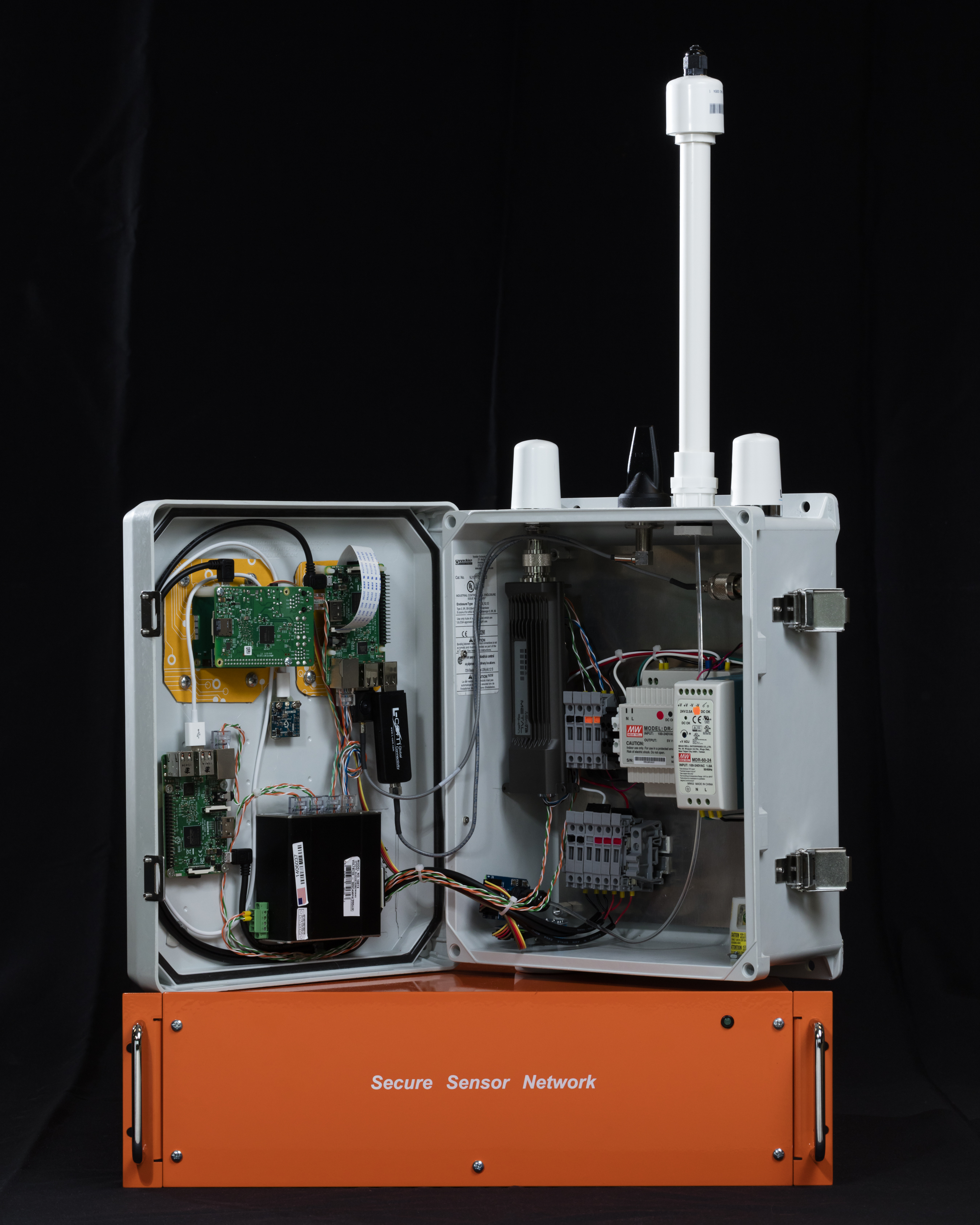
Monitoring of grid assets, including low-cost, high-fidelity sensors; private communications network architecture and technology; and data analytics using machine learning algorithms.

Modeling and Simulation
Developing large-scale grid models to study contingencies and solutions. Digital twin live simulation of the grid fed by real-time data to automatically detect anomalies and support resilience.
Microgrids and Energy Storage
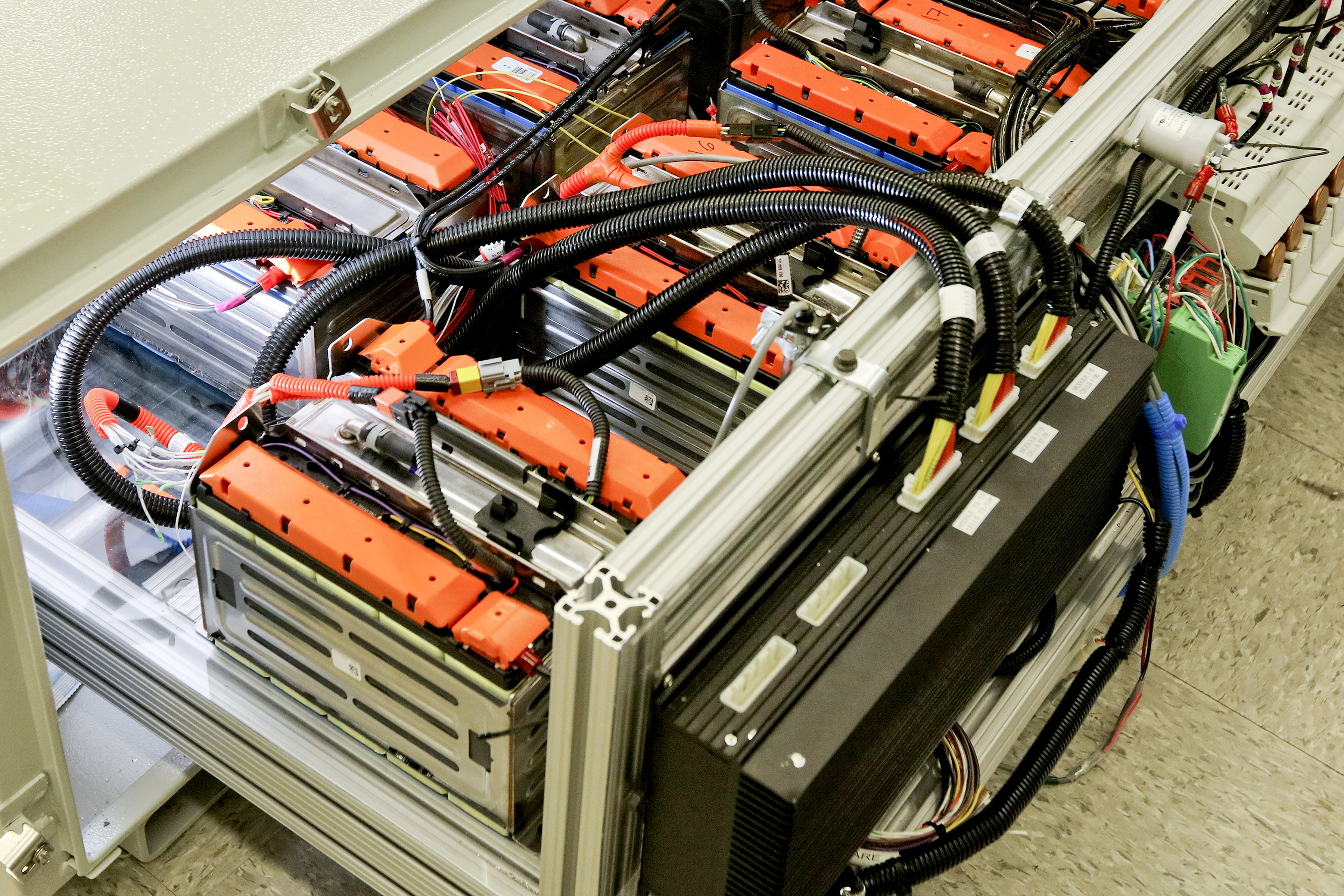
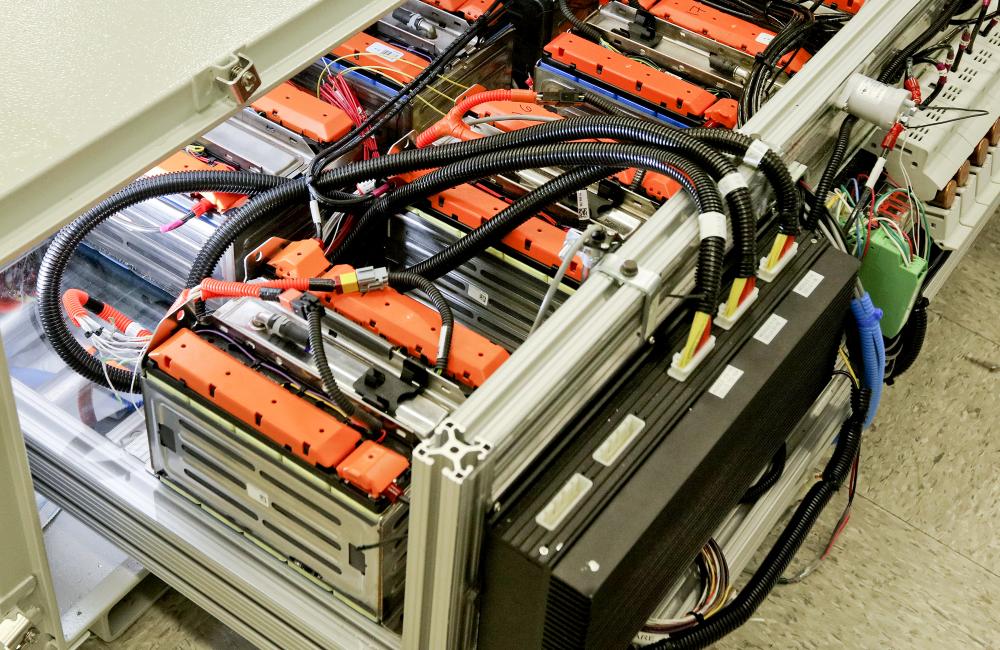
Researching microgrid controls and battery-based energy storage systems, including solid state and redox flow batteries and secondary vehicle battery systems for low-cost, efficient storage. Developing battery materials and manufacturing processes.
Power Electronics and Advanced Devices
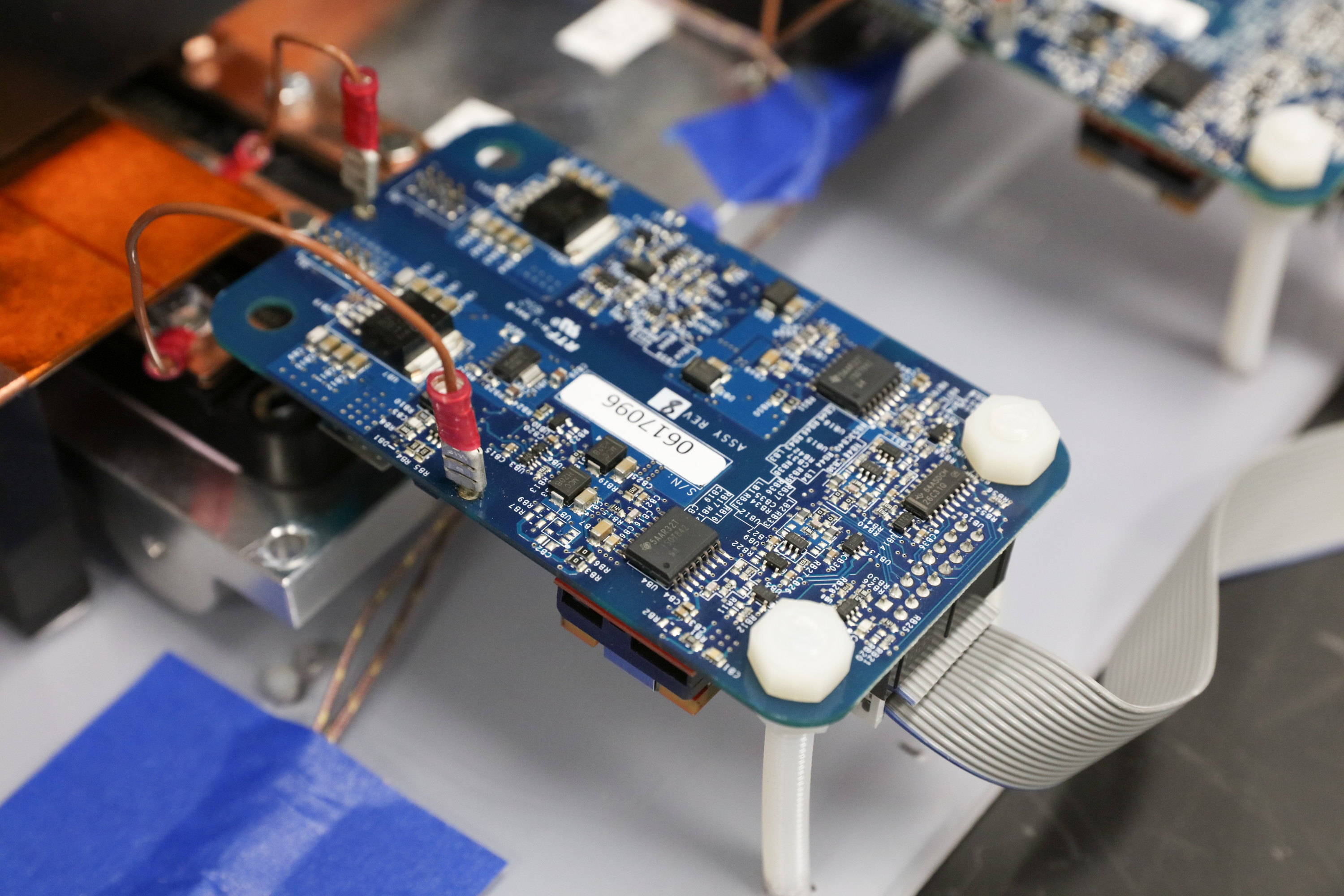
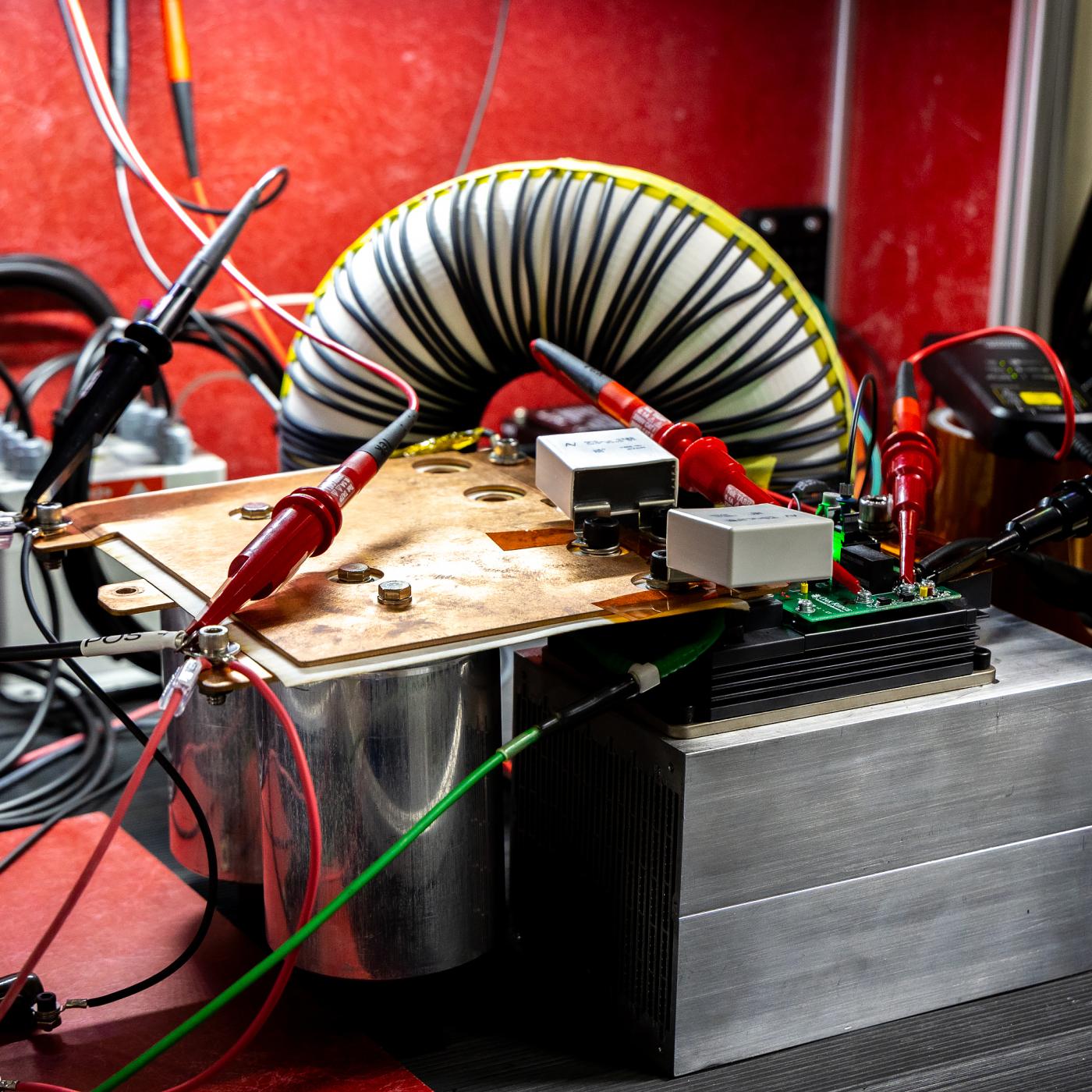
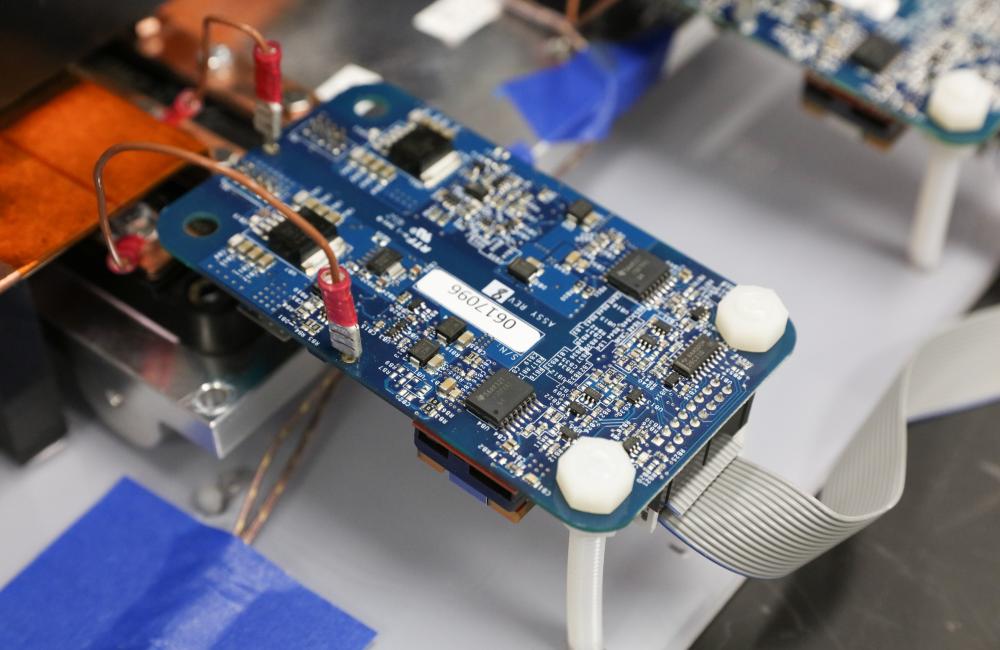
Developing high-efficiency, high-power-density, low-cost power electronics to ease the integration of energy sources, energy storage, and smart devices into the bulk system.
Buildings-and-Vehicles-to-Grid
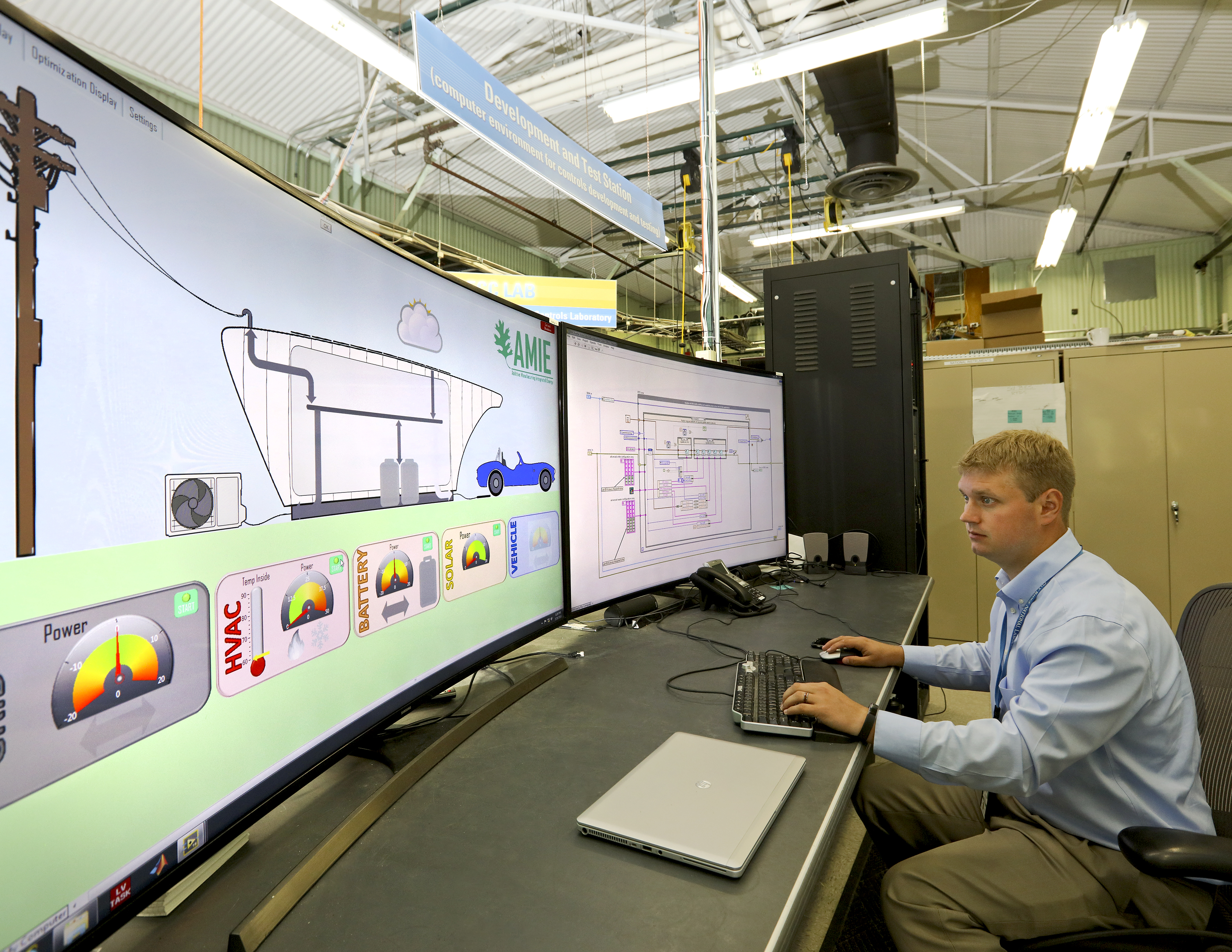
Creating transactive systems to harness consumer energy loads for grid stability. Fifty-node neighborhood emulation to test energy management systems. High-power charging hardware and grid interface controls. Unique test bed for fast, in-motion wireless vehicle charging.

Cyber and Cyber-Physical Systems
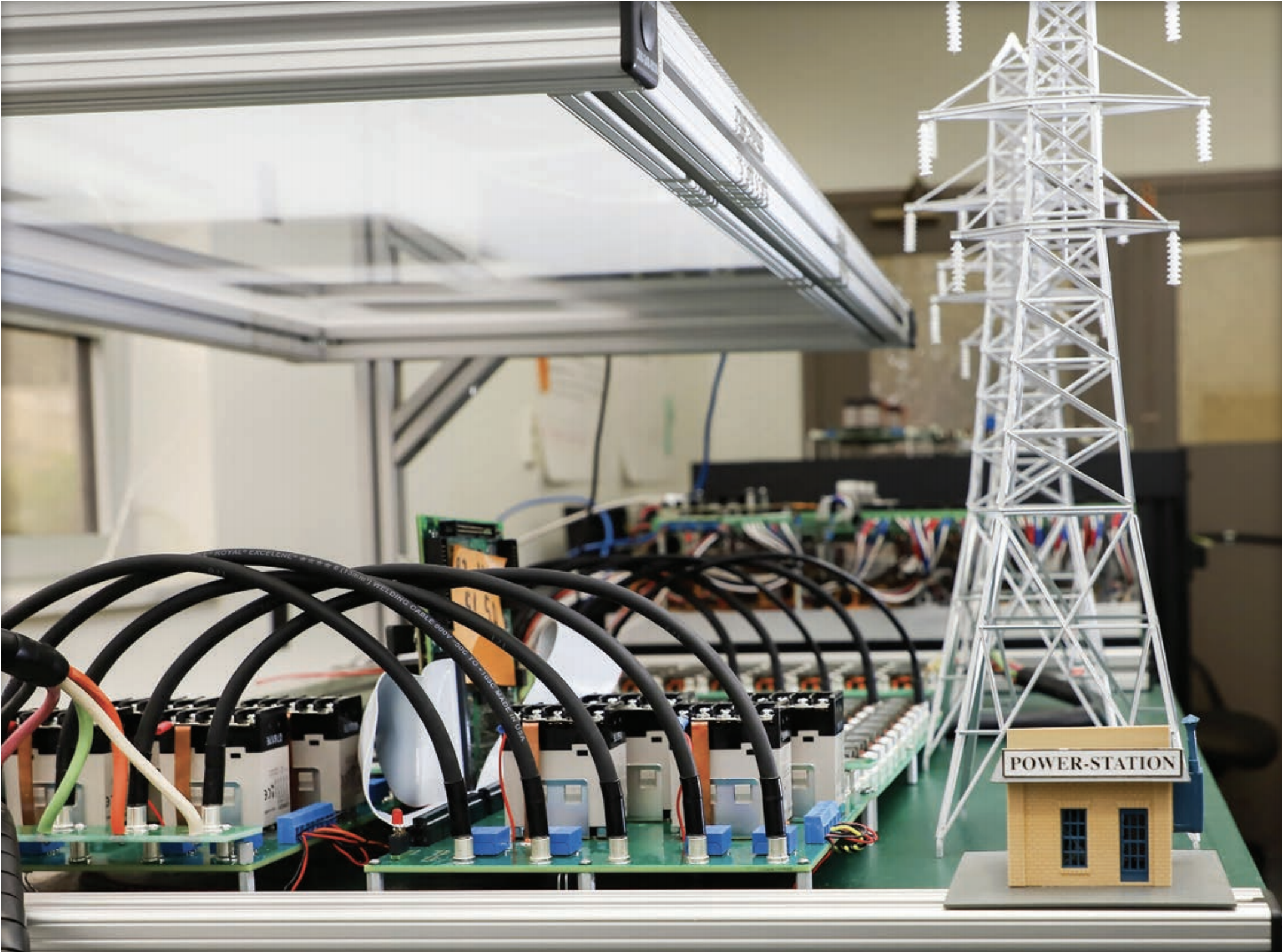
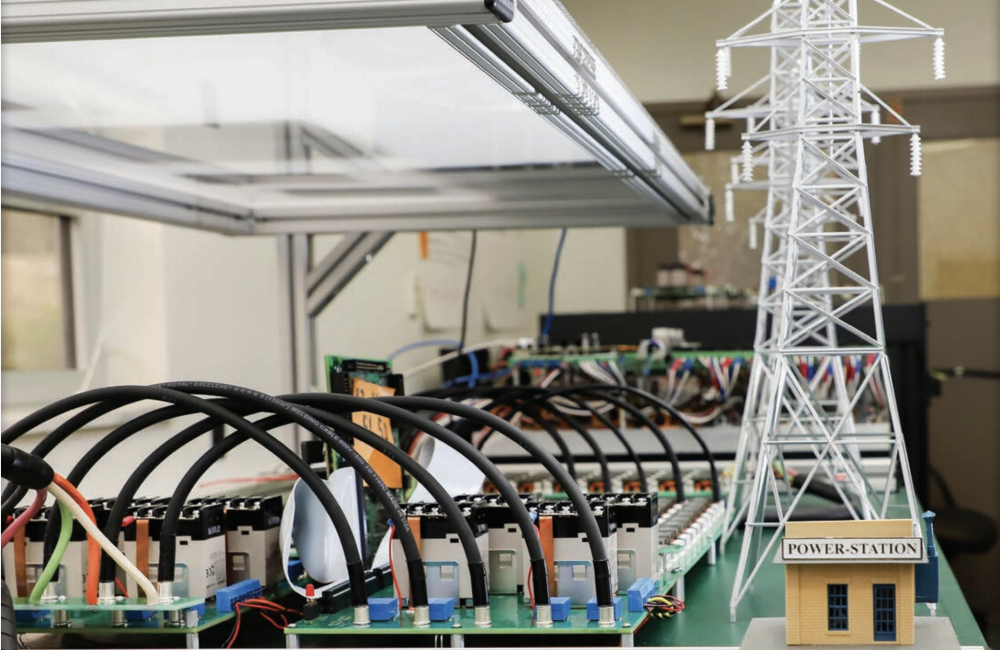
Developing solutions for protection of grid assets. Threat monitoring and defense using hardware and software innovations, including adoption of trusted internet-connected devices. Unique low-voltage, software-defined cybersecurity test beds fed by real-time data.
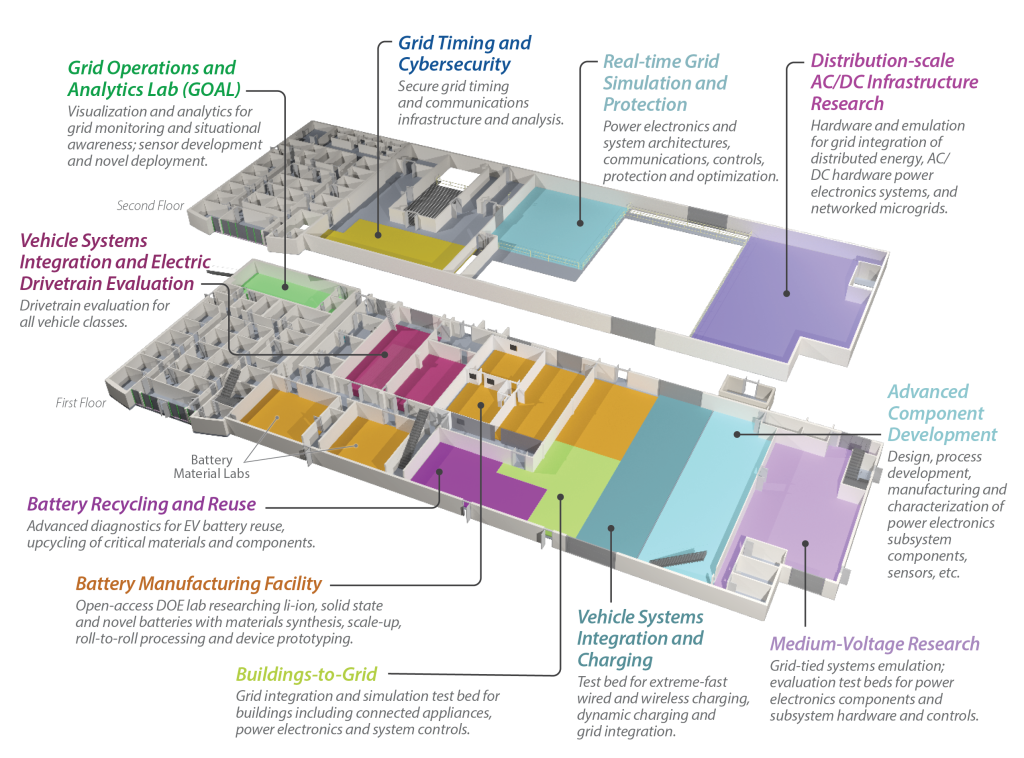
The Grid Research Innovation and Development Center at ORNL combines electrification research activities across the utility, vehicles, and buildings areas into one 52,000 sq. ft. facility. This multidisciplinary environment enables the most impactful innovation across the electric ecosystem.