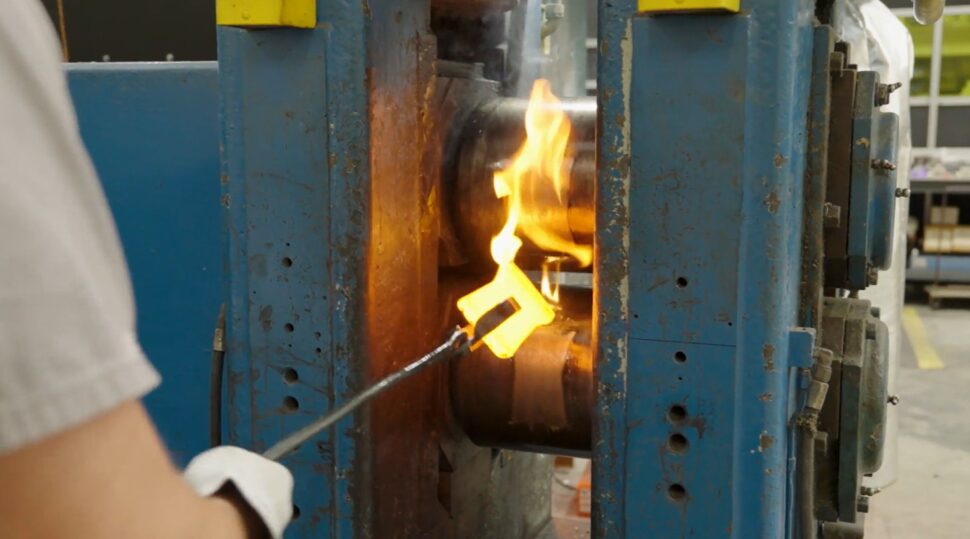
Capability Overview
The materials processing program at ORNL fills a unique role, performing cutting-edge research to ensure new materials can be integrated into industrial processing technology while improving that technology to ensure it incorporates the latest advancements. The program focuses on two major thrusts: materials development and improvement of machinery and techniques necessary to incorporate materials advances. The two thrusts come together in a third focus on convergent manufacturing which incorporates traditional techniques with advanced approaches like additive manufacturing.
Materials processing maintains a keen focus on collaboration across ORNL and with outside funders and industry looking to ensure the continued competitiveness of U.S. manufacturing. The program explores everything from feedstocks and metal powders to casting and forging. Using the latest advances in images and characterization, ORNL explores performance of new materials in a broad spectrum of environments ranging from fusion plasmas to deep space.
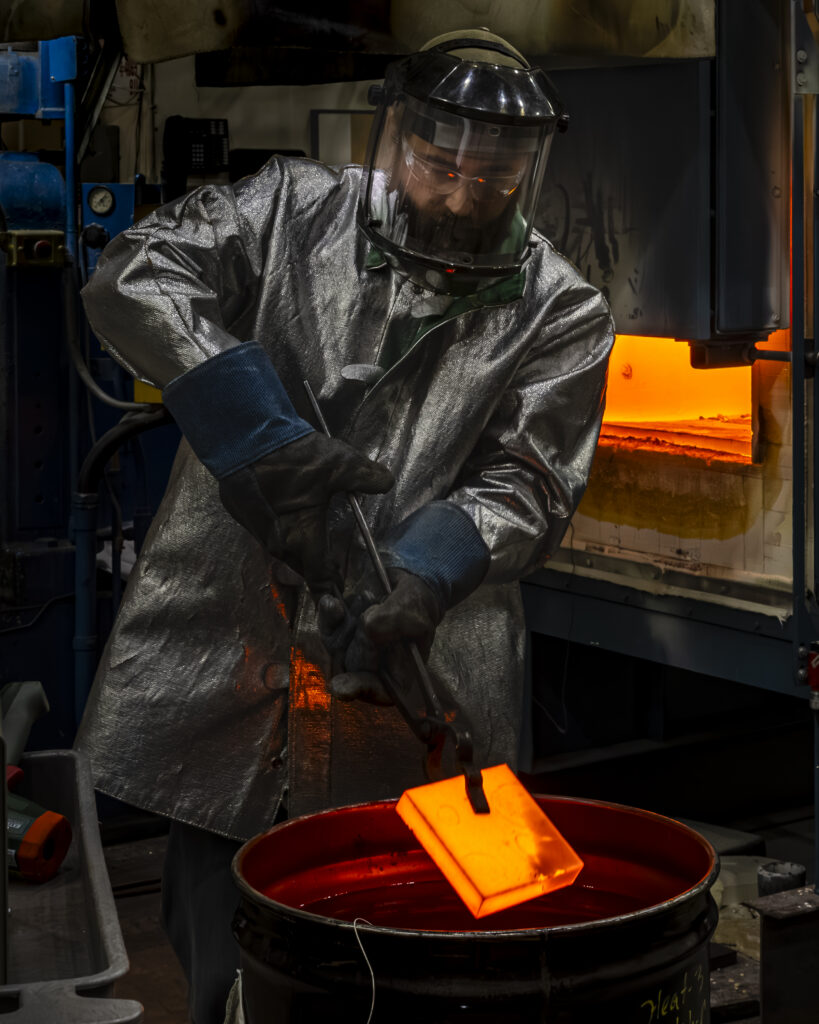
Areas of exploration
Materials for extreme environments
Custom feedstock development
Casting, forging and powder metallurgy
Critical Minerals and Extractive Metallurgy
Large-scale convergent and smart manufacturing
Contact
Dr. Soumya Nag is a Distinguished R&D Staff Scientist at Oak Ridge National Laboratory, with joint faculty roles at the University of Tennessee and Clarkson University. He specializes in processing-structure-property relationships in lightweight and high-temperature alloys, with expertise in phase transformation, physical metallurgy, and nanoscale characterization. He earned his Ph.D. from Ohio State University. Over his career, Dr. Nag has held senior roles at GE Research and is Six Sigma Green Belt certified. He welcomes collaborations in advanced materials research focused on high-strength, high-temperature alloys and functionally graded materials, as well as on convergent manufacturing approaches such as additive manufacturing, powder metallurgy–hot isostatic pressing (PM-HIP), and integrated casting and forging techniques. Contact Dr. Nag at [email protected].