Understanding the Movement of Water and Waterborne Constituents in Watersheds
Researchers in the Watershed Systems Modeling group at Oak Ridge National Laboratory specialize in developing sophisticated, high-resolution computational models to better understand how water moves through watersheds, along with the transport and transformation of substances such as carbon, nutrients, and contaminants. Through these advanced modeling efforts, the group addresses critical environmental questions about water availability, flood risk, water quality, watershed function, and the broader implications for ecosystem health.
A central focus of the group’s research involves creating next-generation modeling tools capable of accurately capturing fine-scale hydrological and biogeochemical processes. These innovative tools integrate detailed scientific knowledge about how water interacts with soils, microbes, vegetation, and geological features, as well as how these interactions influence the fate of waterborne substances. By incorporating these detailed processes into larger modeling frameworks, scientists can reveal how localized phenomena influence broader watershed dynamics, providing essential insights into complex ecological and hydrological interactions.

These integrated multiscale models are powerful predictive tools. They help scientists and stakeholders understand the factors that affect water availability, flood risk, and water quality within and across river networks, informing better resource management and conservation strategies. With enhanced predictive capabilities, the group can effectively forecast the impacts of environmental changes and changes in land use due to human activities, agriculture, urbanization, and industry.
Through these comprehensive modeling efforts, the group contributes significantly to the broader scientific community and provides policymakers, land managers, and environmental planners with critical information needed to make informed decisions. For instance, understanding how pollutants move and transform within watersheds helps in developing targeted strategies for mitigation, restoration, and resource utilization.
The team ensures the continued health, productivity, and resilience of both natural and human-influenced ecosystems by advancing modeling capabilities and deepening scientific understanding of watershed dynamics. Their research facilitates effective stewardship of water resources and supports a secure and reliable supply of clean water for communities and ecosystems alike.
Researchers

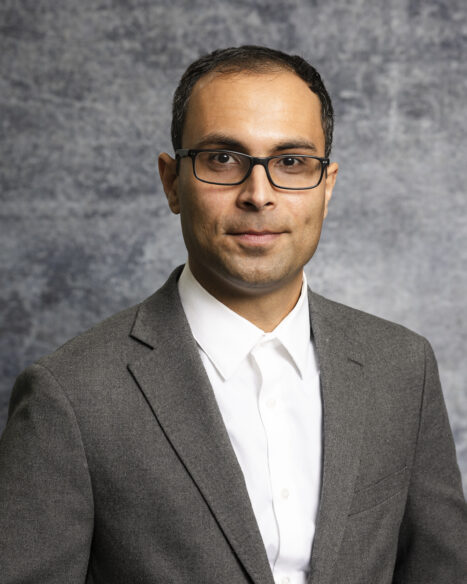
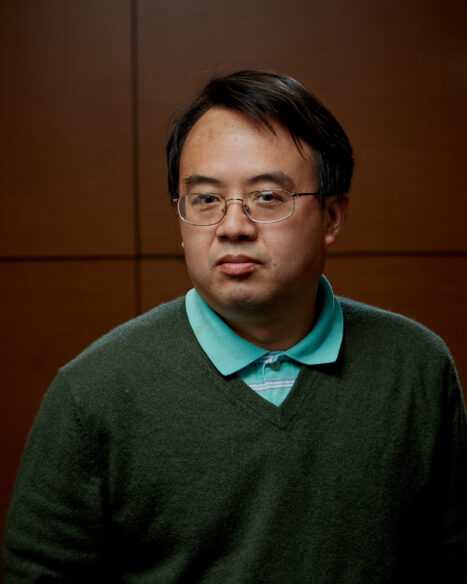
Publications
Jun, 2026
Journal
Reimagining How Flood Warnings Can Inform Decision-Making and Community Actions
Society faces increasingly severe flood hazards, intensifying demand for flood early warning systems (FEWS) that deliver accurate and actionable information. However, most existing FEWS remain prediction-centric, treating decision-making as a downstream consumer of hazard forecasts while offering limited support for uncertainty interpretation, risk communication, and real-…
May, 2026
Journal
Informing Robust Functional Relationship Benchmarks: An Evaluation of the Temperature Sensitivity of Ecosystem Respiration Across the Arctic-Boreal Region
During land model development, simulated carbon dynamics are often benchmarked against observational data sets to evaluate model performance. Functional relationship benchmarks are the relationship between a driving variable (e.g., temperature) and a response variable (e.g., ecosystem respiration) and are a promising tool for assessing model performance by evaluating model…
Apr, 2026
Journal
Hydrological Control on Soil Redox Condition and Carbon Loss of Coastal Wetland Under Sea-Level Rise
Coastal wetlands are critical carbon sinks with their biogeochemical and ecological functioning shaped by dynamic hydrological conditions that are increasingly influenced by climate change. A key unresolved question is how hydrologic flow, vegetation response, and rising sea levels interact to regulate soil redox condition and carbon loss in coastal wetlands. Using a field…
Contact