The Story of America’s Isotopes
From the Manhattan Project to today, Oak Ridge National Lab has spent 80 years shaping the future of isotope science. Our impact extends to cancer medicine, national security, energy, and missions into the final frontier of space.
From Wartime Reactor to Peacetime Purpose
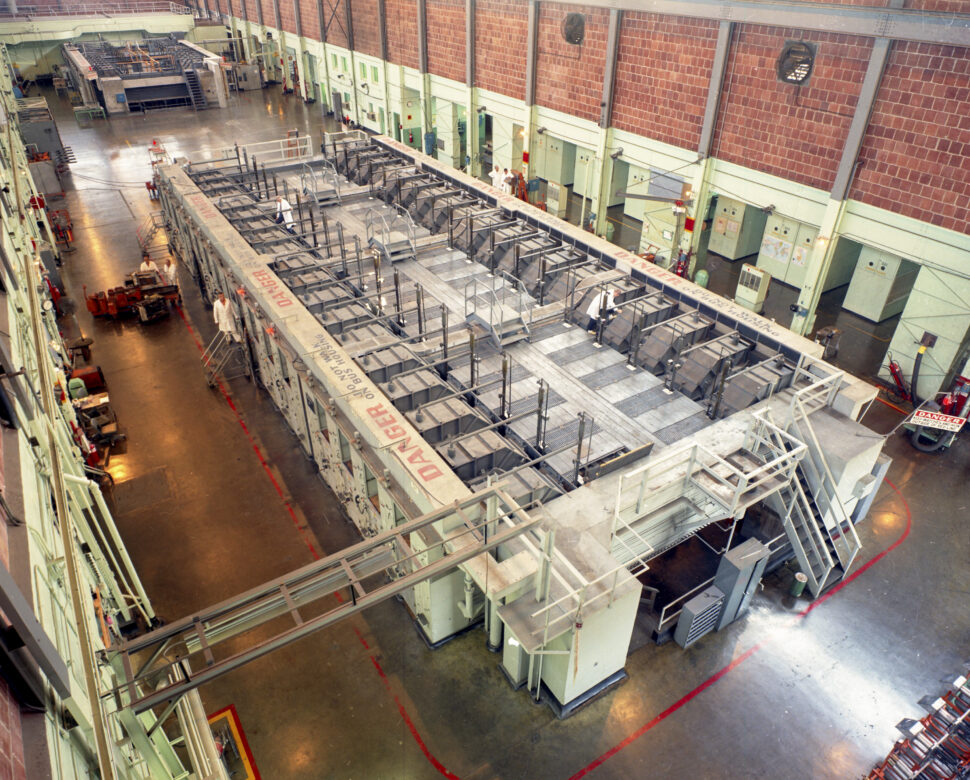
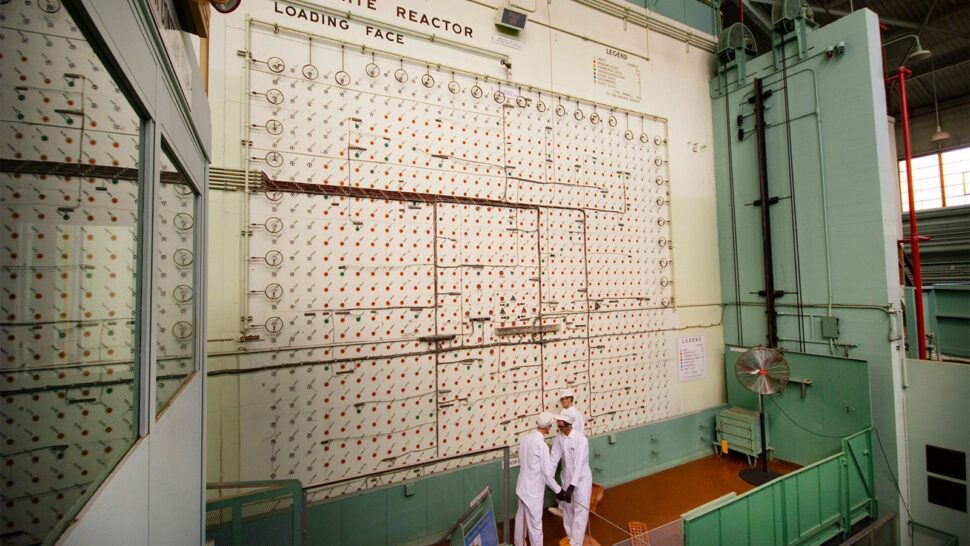
In 1943, construction began on the Graphite Reactor at what was then known as Clinton Laboratories. Built as part of the Manhattan Project, the reactor became the world’s first continuously operated nuclear reactor and produced plutonium needed to develop atomic weapons that brought about the end of World War II.
When World War II ended, scientists sought ways to apply nuclear technology to peaceful purposes. They found that opportunity in isotopes.
The Birth of an Isotope Industry
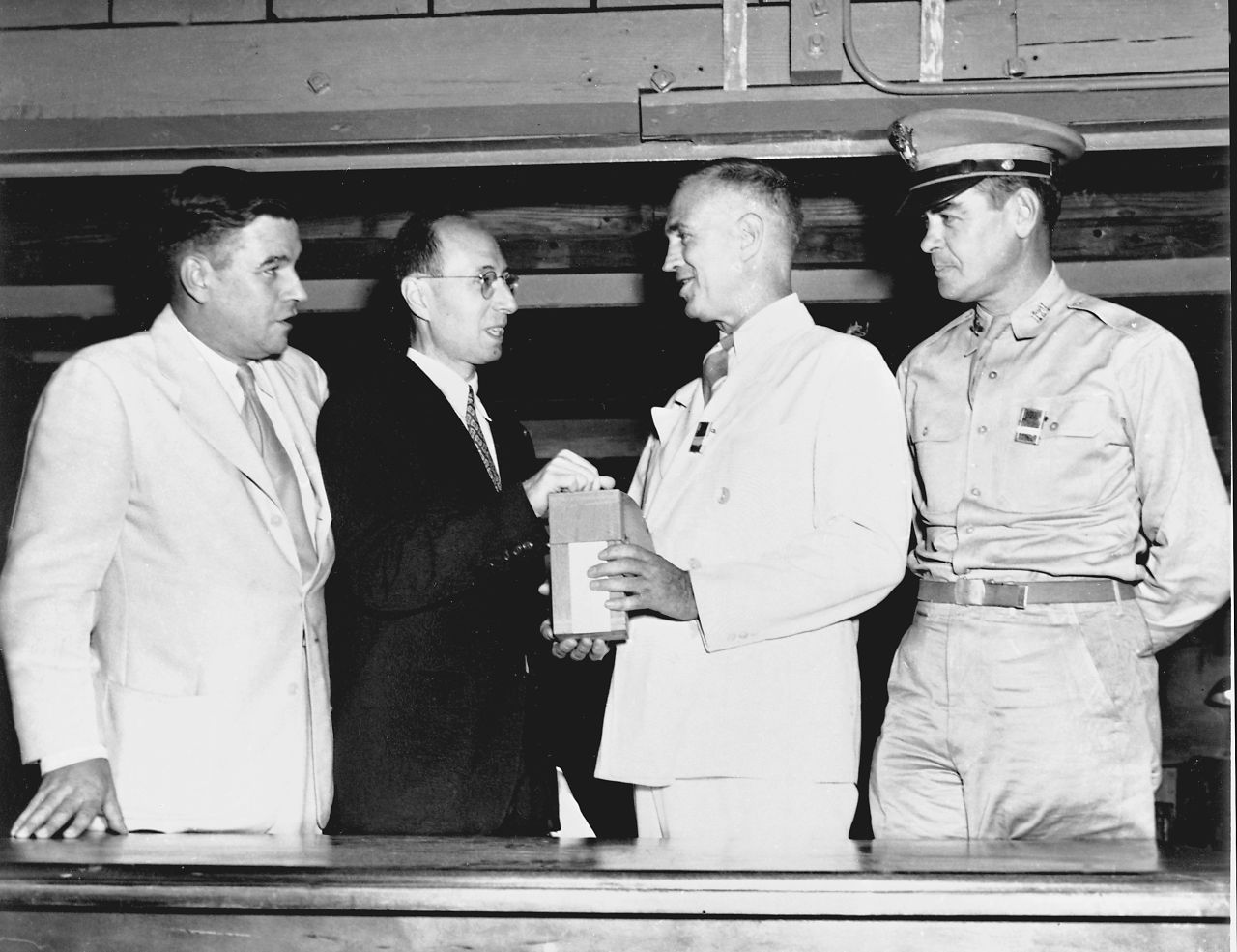
On August 2, 1946, Oak Ridge publicly shipped its first reactor-produced medical radioisotope, carbon-14, to the Barnard Free Skin and Cancer Hospital in St. Louis. That shipment marked the beginning of a new era and helped launch what would become the modern isotope industry.
Even before the first shipment, demand for isotopes was growing.
In 1946, an article published from the lab listed radioisotopes available to researchers and institutions across the country. Orders arrived faster than scientists could fill them.
During the first year alone, the lab shipped more than 1,000 orders representing 60 different isotopes. Within four years, shipments exceeded 20,000.
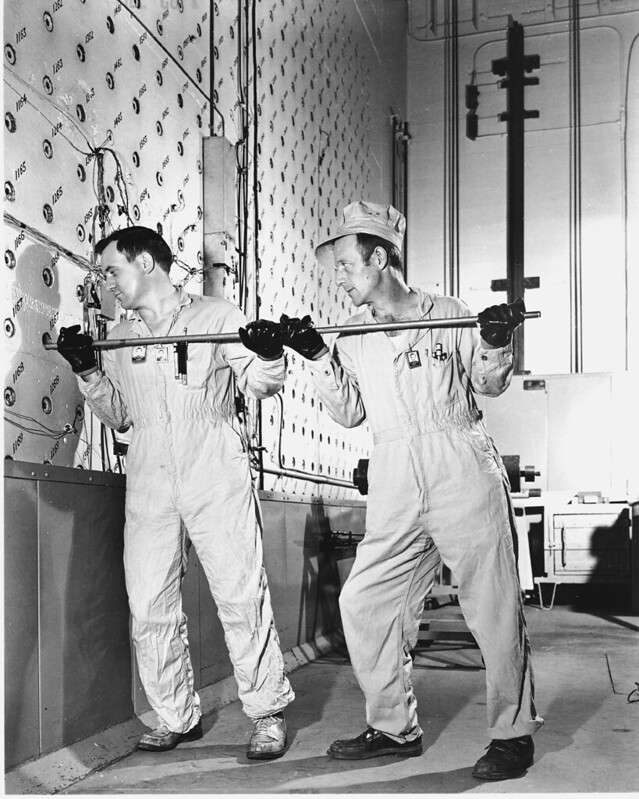
The Graphite Reactor quickly became the world’s leading source of radioisotopes, supplying hospitals, universities, laboratories, and industries eager to explore new applications.
Explore the Graphite Reactor
What Built the Isotope Enterprise
HFIR
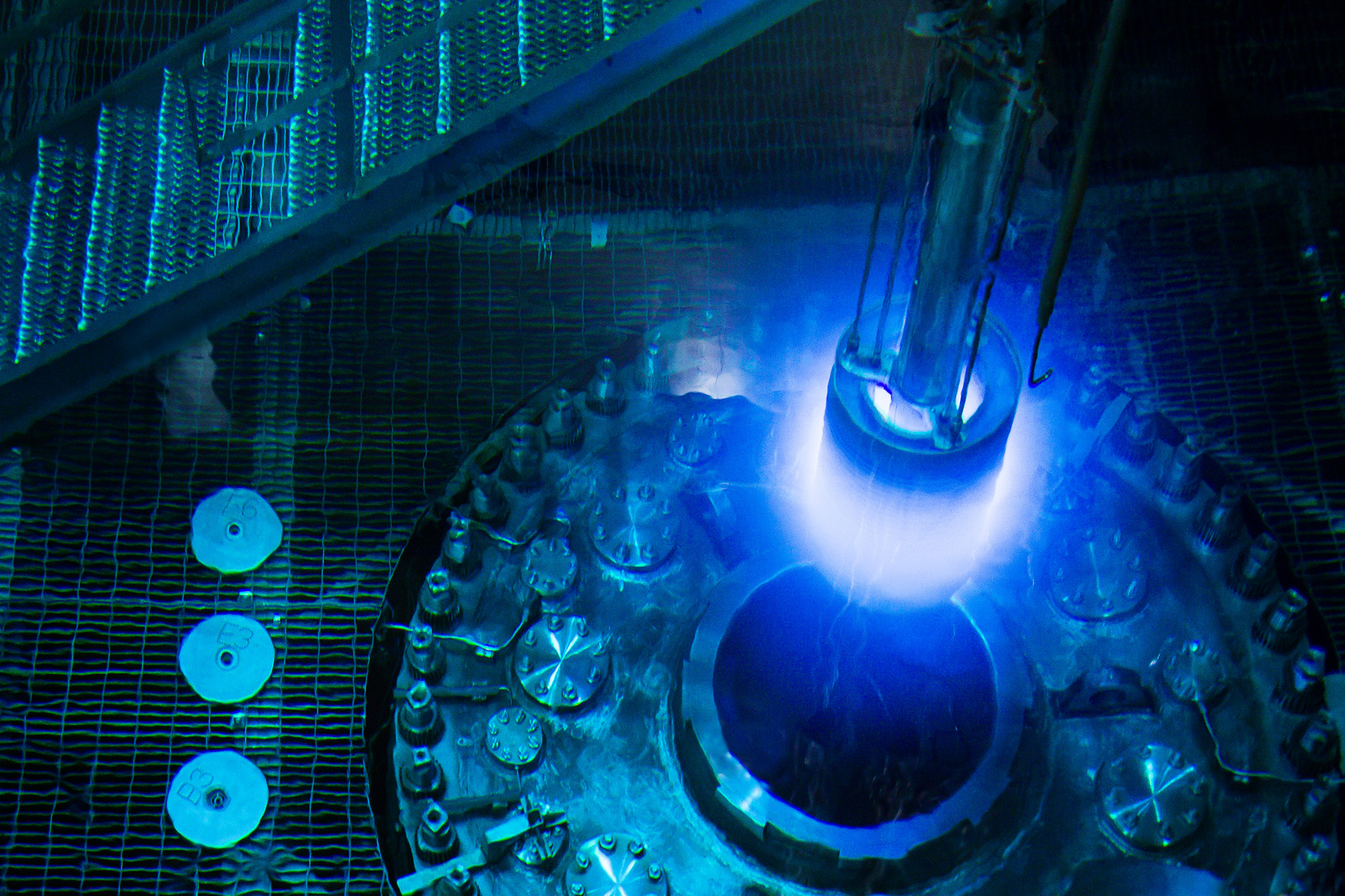
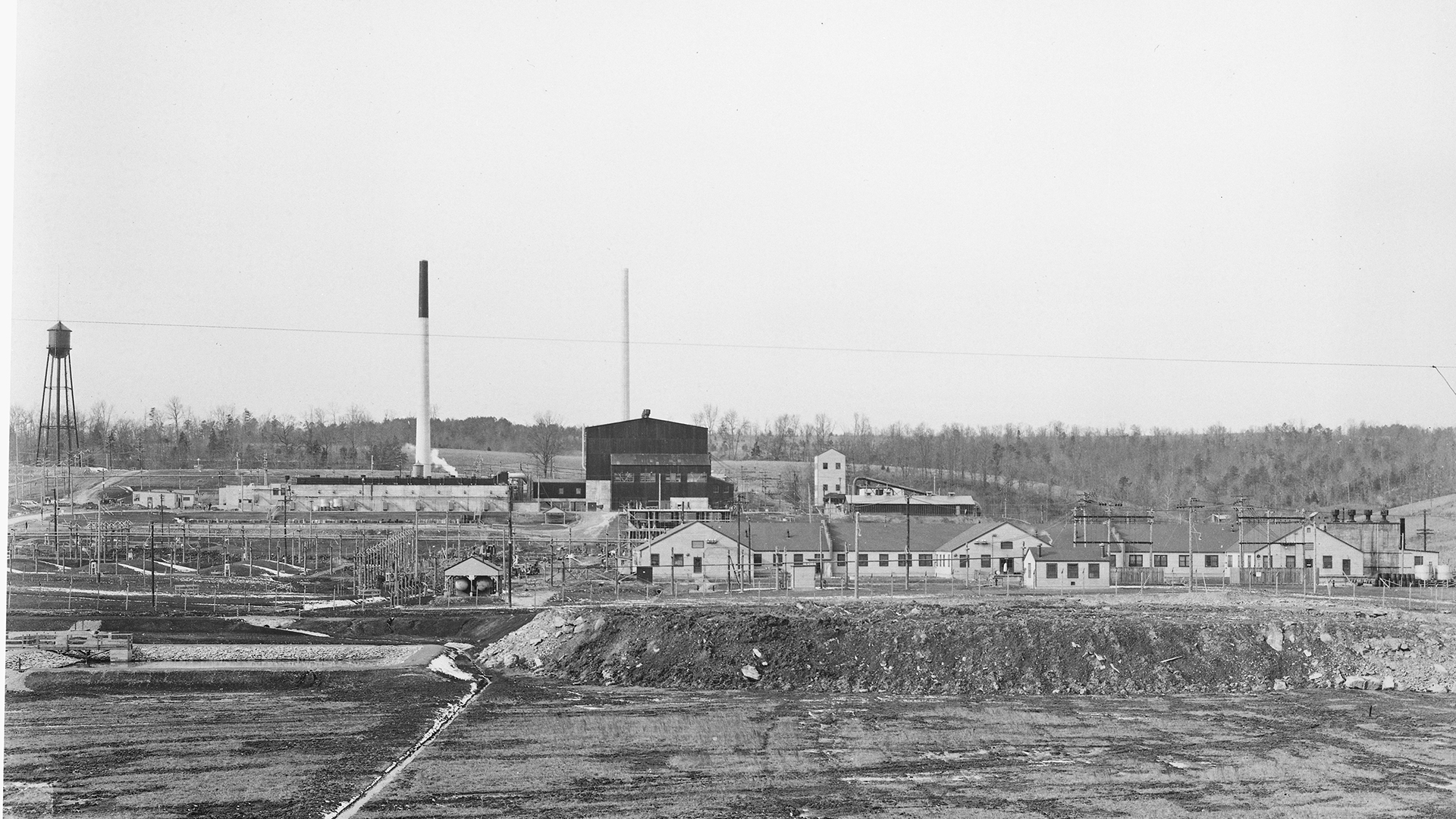
Since starting up in 1965, the High Flux Isotope Reactor has enabled isotope production and scientific discovery while becoming one of the world’s premier research reactors.
REDC
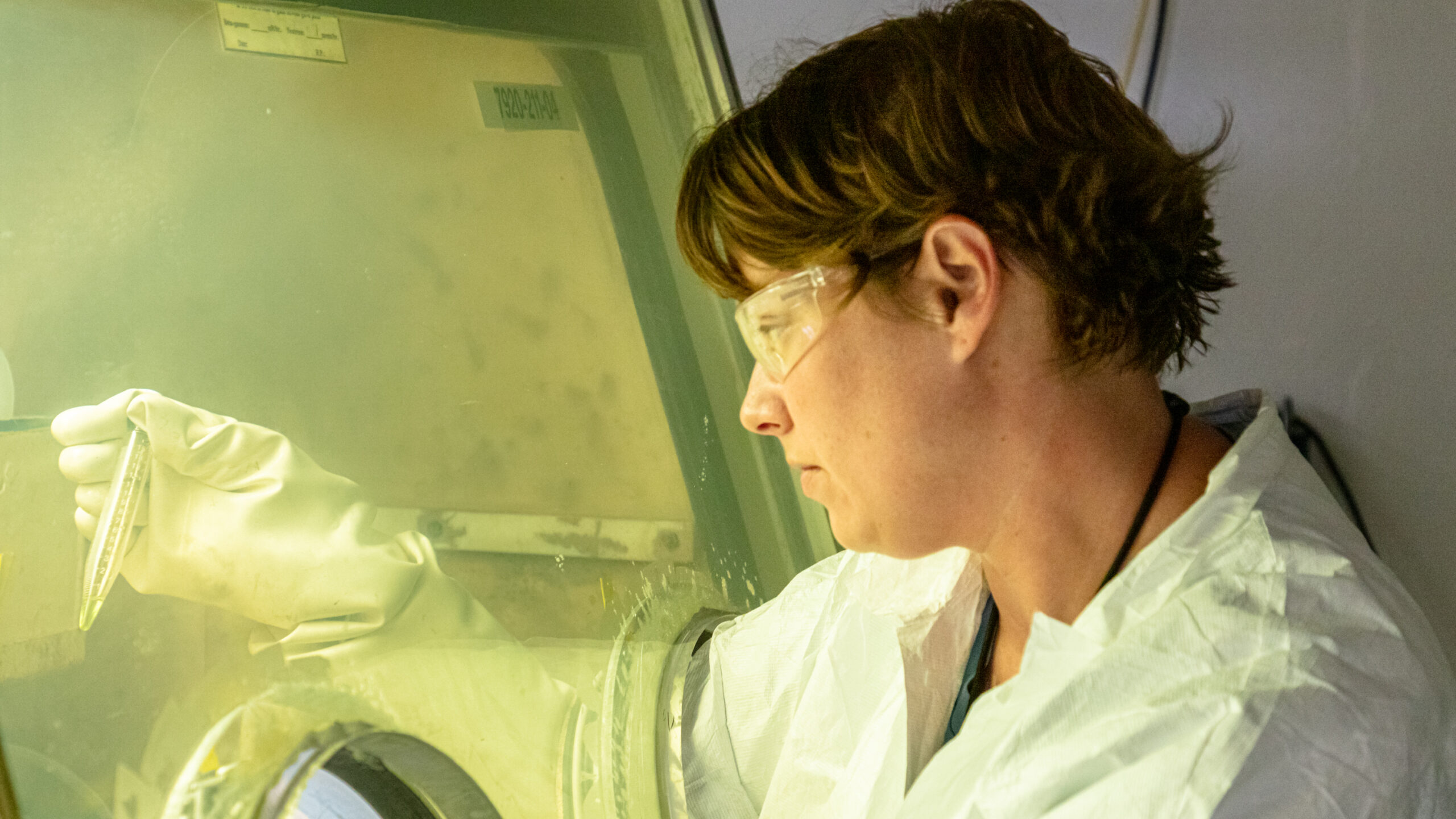
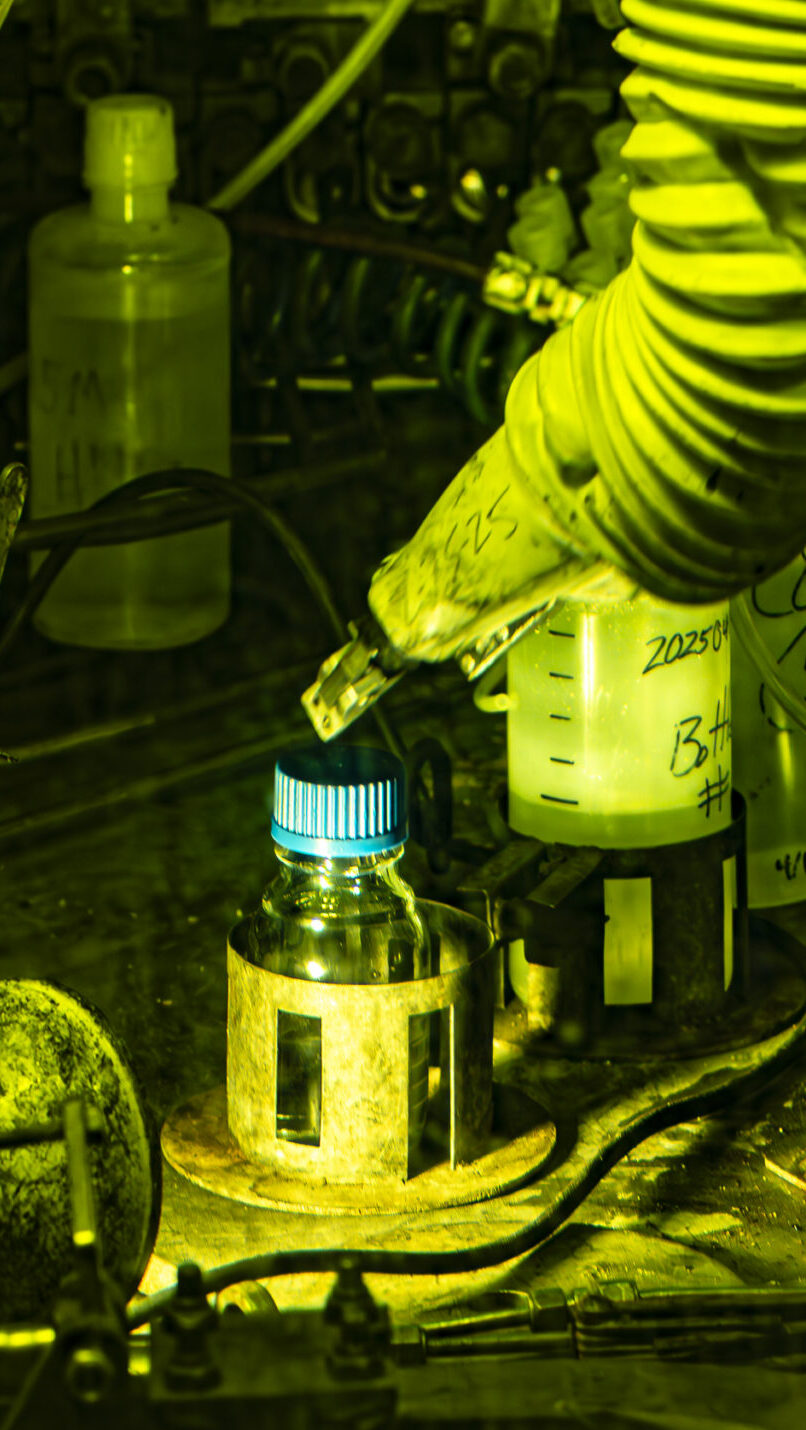
Established as the Transuranium Processing Plant, the Radiochemical Engineering Development Center helped create a heavy-element production program and remains a cornerstone of isotope production.
East Tennessee’s Stable Isotope Legacy
While the Oak Ridge lab became known for radioisotopes, another important chapter was unfolding nearby.
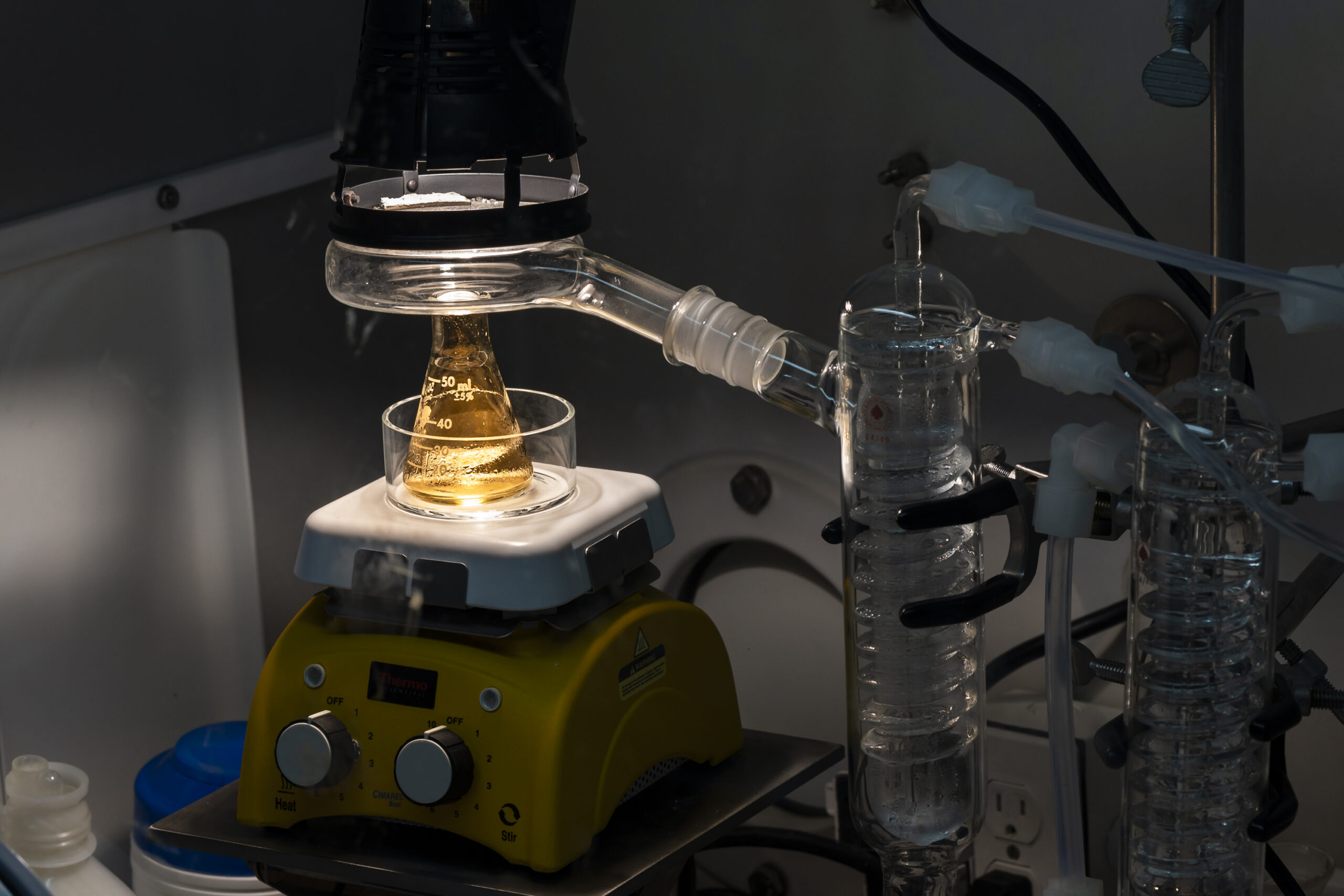
The calutrons at Y-12, originally used during World War II to separate uranium isotopes, were repurposed to enrich stable isotopes for medicine, research, industry, and national security. Scientists and technicians systematically separated isotopes of nearly every element that possessed multiple naturally occurring isotopes.
Their work created a national stockpile of enriched stable isotopes that continues to support research and innovation today. Even decades after the final calutron shut down in 1998, researchers continue finding new uses for materials preserved through the foresight of earlier generations.
Isotopes Impacting the World

Discovering New Elements
ORNL’s isotope expertise has contributed not only to applications but also to fundamental scientific innovation.
In 1945, researchers working at the Graphite Reactor discovered promethium, one of the few elements first found in the United States.
Decades later, berkelium-249 produced at ORNL helped enable the discovery of element 117, tennessine, completing the seventh row of the periodic table. These breakthroughs reflect the unique scientific capabilities that isotope production makes possible.
By the Numbers
80+
Years of Isotope Leadership
300+
Isotopes Available
1946
First Medical Isotope Shipment

11
Periodic Table Discoveries
The Next 80 Years
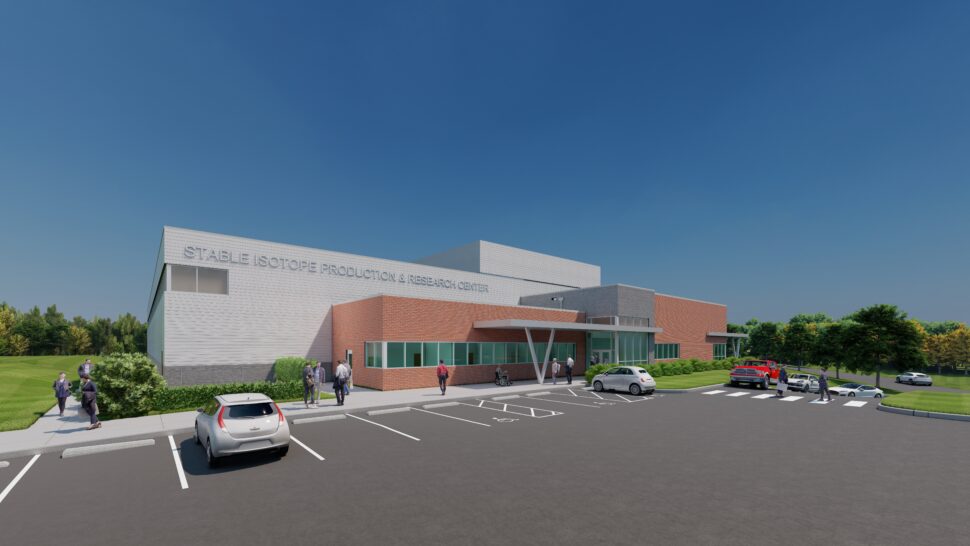
To help meet future needs, the Department of Energy is investing in the next generation of isotope infrastructure at ORNL, including the Stable Isotope Production and Research Center and the Radioisotope Processing Facility.
These facilities will expand domestic capability, strengthen supply chains, and help ensure the nation remains prepared for future scientific, medical, industrial, and national security challenges.
The history of isotopes at Oak Ridge is a story of innovation, perseverance, and discovery. From the first shipment of carbon-14 in 1946 to today’s advanced isotope capabilities, ORNL has continuously expanded the possibilities of isotope science.
The next chapter is already being written.