ORNL develops composite materials and manufacturing technologies that combine strength, durability and design flexibility. Working from raw materials to full-scale components, researchers create advanced fibers, materials for extreme environments and resilient feedstocks for applications in energy, transportation, infrastructure and national security.
From Materials to Manufacturing
ORNL connects materials science, advanced manufacturing, characterization and computational expertise to move composite technologies from laboratory concepts toward industrial use.
Materials
Fibers, precursors and locally sourced resources
Development
Formulation, modeling and characterization
Manufacturing
Additive, molding, forming and fiber-processing methods
Deployment
Full-scale demonstrations and technology transfer
Composites Research Pillars
Advanced Fibers: Stronger Materials Start at the Source
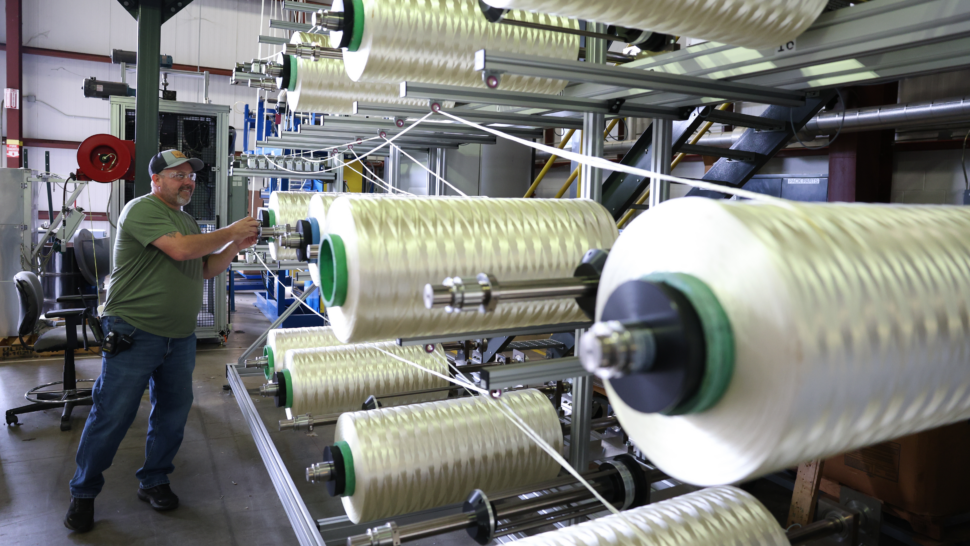
ORNL develops fibers and precursor materials with tailored strength, weight, thermal performance and cost. Research ranges from new precursor chemistries to pilot-scale production and composite processing.
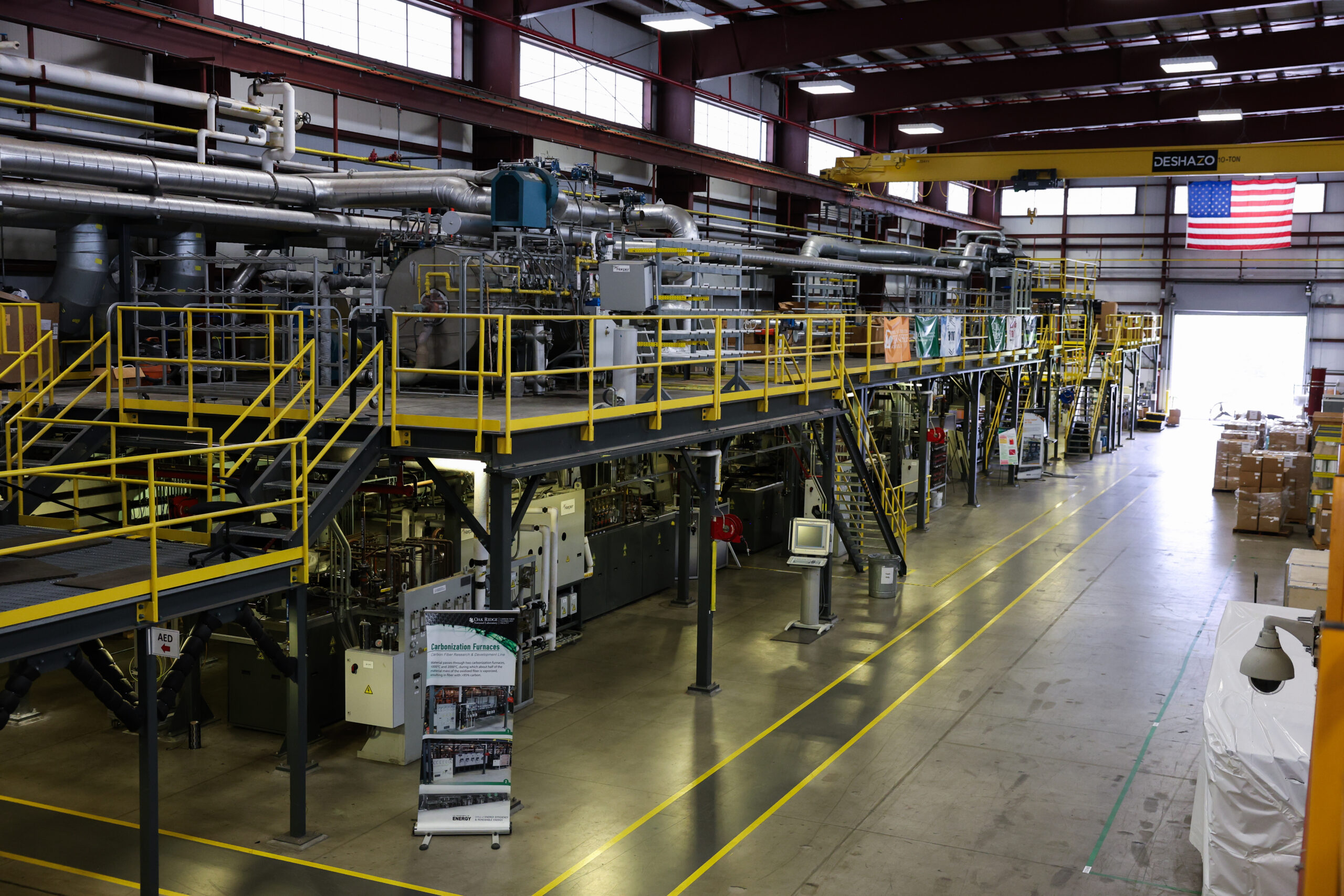
The Carbon Fiber Technology Facility (CFTF) is DOE’s only designated user facility for carbon fiber innovation and can help industry validate precursors at semi-production scale.
Extreme Environments: Performance Where Conventional Materials Fail
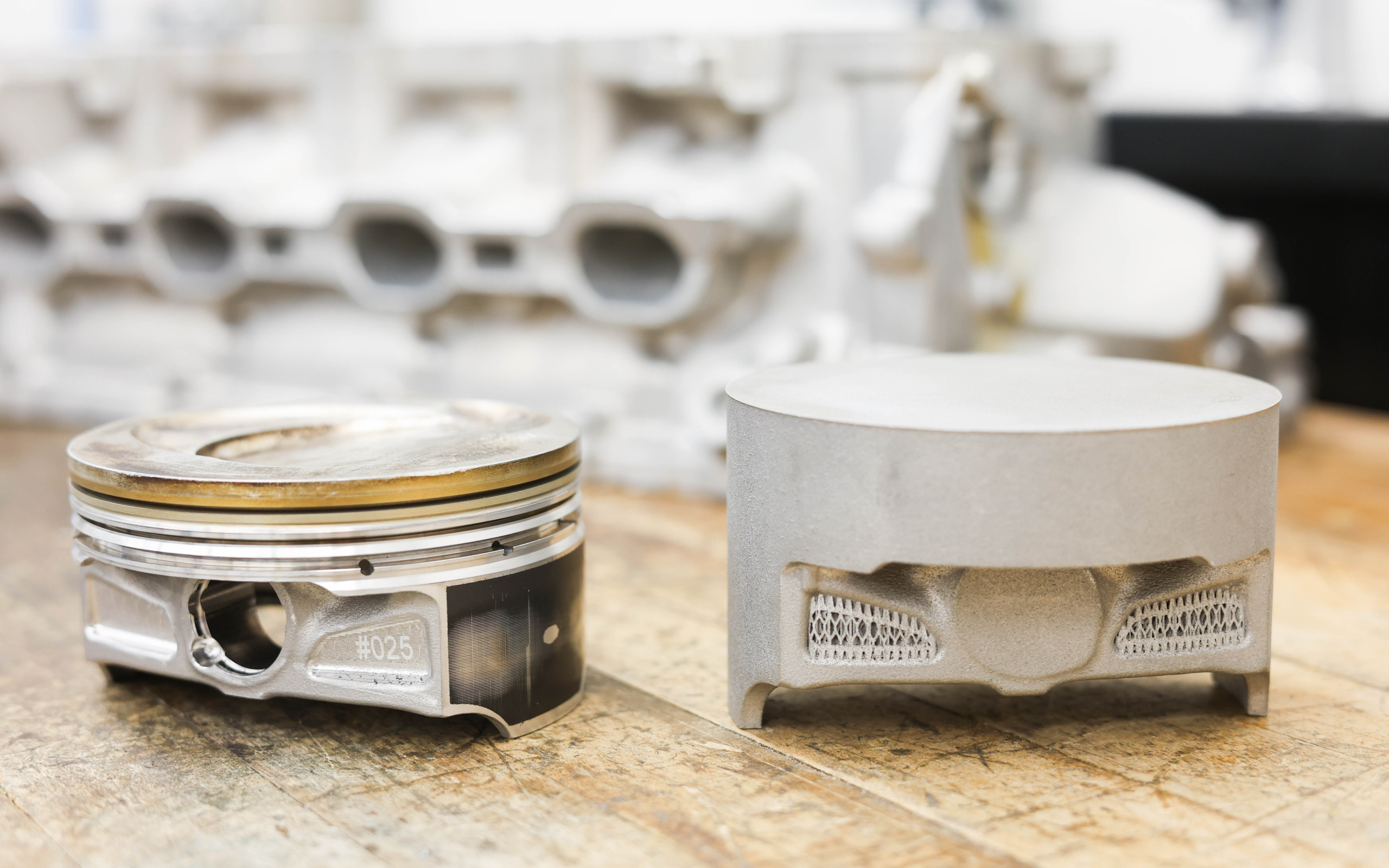
ORNL develops composite materials and manufacturing processes for components exposed to intense heat, radiation, corrosion, wear and other severe conditions.
Resilient Feedstocks: Turning Regional Resources into Manufacturing Materials
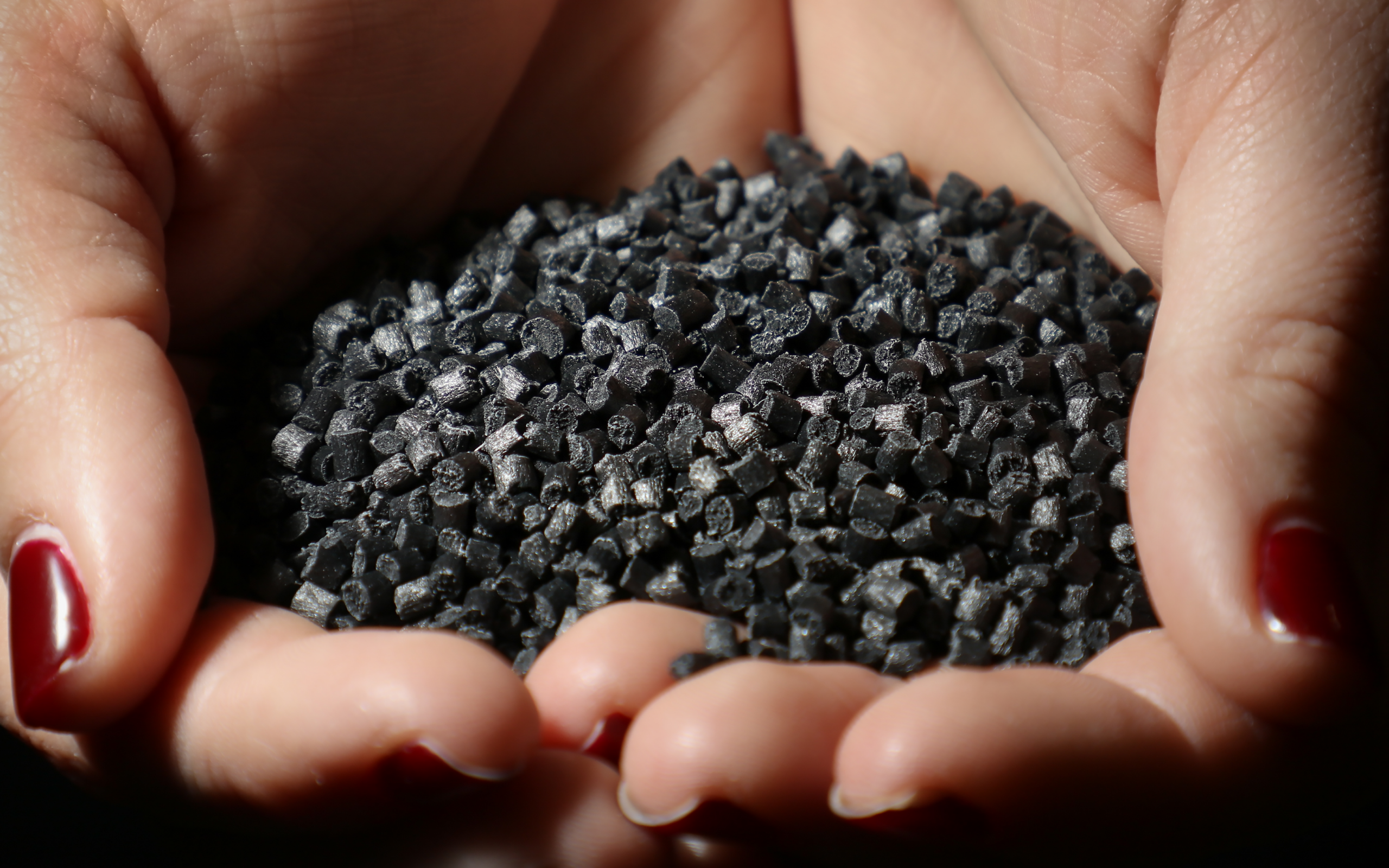
ORNL develops high-performance materials from recycled and locally available resources. Researchers design new feedstocks, recover materials from existing products and scale processes that can strengthen manufacturing supply chains.
Impact through Partnership
ORNL works with companies, universities and government partners to develop, scale and demonstrate composite materials and manufacturing technologies.
Teams across ORNL combine materials development, processing, characterization and scale-up capabilities to solve problems that cannot be addressed by a single manufacturing method.
Materials Development
Precursor chemistry, fiber development, compounding and formulation