Powering America’s Next Generation of Computing, Sensing and Secure Communication
Quantum materials are the foundation for ORNL’s quantum technology innovations. Quantum computing, networks, and sensors all require the discovery, design, understanding, and synthesis of materials that display unique quantum phenomena like superposition, entanglement, or superconductivity. But quantum materials are also the product of quantum technology: The discovery and understanding of new materials are, in turn, enabled by quantum tech breakthroughs.
Quantum materials are the foundation for ORNL’s quantum technology innovations. Quantum computing, networks, and sensors all require the discovery, design, understanding, and synthesis of materials that display unique quantum phenomena like superposition, entanglement, or superconductivity. But quantum materials are also the product of quantum technology: The discovery and understanding of new materials are, in turn, enabled by quantum tech breakthroughs.
ORNL is a natural home for this virtuous quantum cycle.
The lab’s world-leading strengths in materials science, neutron scattering, nanoscience, and high-performance computing enable the discovery and design of new quantum materials; the understanding of atom-scale properties that yield their unique effects; and the ability to fabricate these materials into next-generation devices that will revolutionize computing, communication, and even science itself.
Why ORNL?
From early days exploring the first emergent quantum phenomenon to today’s second quantum revolution, ORNL has been at the forefront of enabling quantum materials to fulfill their potential, leveraging:
- Unique facilities – including neutron sources, nanoscience research facilities, and leadership-class supercomputers
- End-to-end capability – from theory and materials by design, to precision synthesis, to atom-scale manufacturing and device testing
- Strong partnerships – with universities, industry, and other national labs to speed translation from discovery to deployment
Working with these partners, ORNL’s quantum materials researchers support national priorities in energy security, advanced manufacturing, national defense, and economic competitiveness.
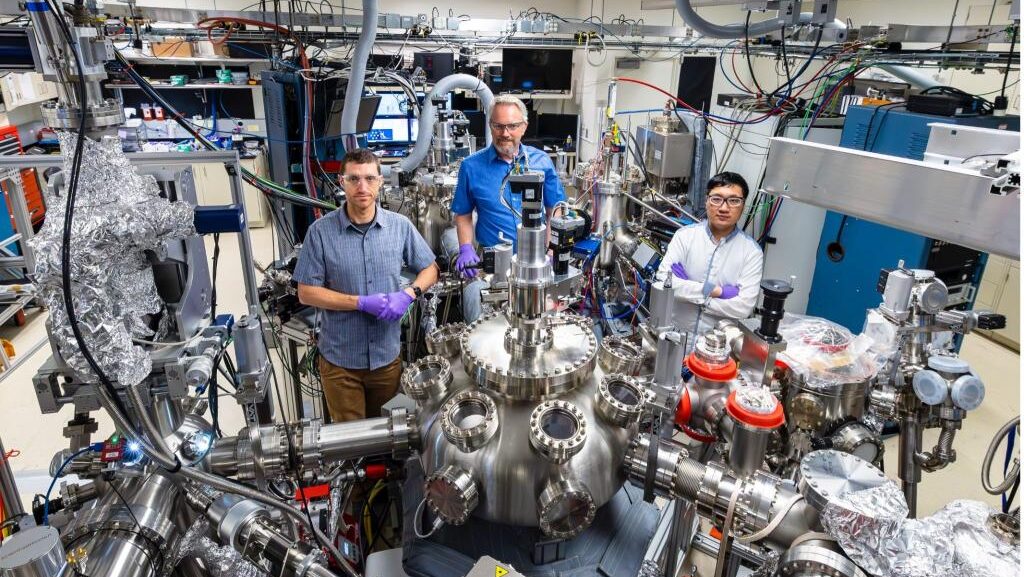
ORNL’s quantum materials program explores three primary phases of research.
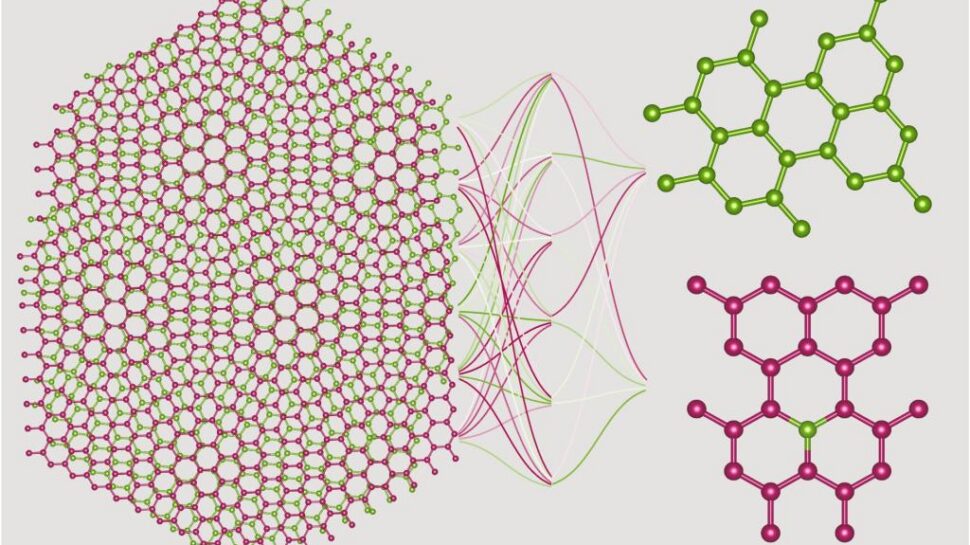
Discovering, understanding, and designing quantum materials
ORNL discovers, designs, and develops new quantum materials—then studies their behavior at the atomic level. Quantum effects tend to happen around the margins of materials—in the edges, defects, and interfaces between dissimilar substances—so understanding this complex mix of features is critical for being able to harness these effects in practical quantum devices.
Key resources for this effort are large user facilities at ORNL that allow the exploration of quantum materials and the creation of new materials by design: the Center for Nanophase Materials Science, the Spallation Neutron Source (SNS), and the High Flux Isotope Reactor. Planned upgrades to the SNS—the Proton Power Upgrade and Second Target Station—will turbocharge these capabilities.
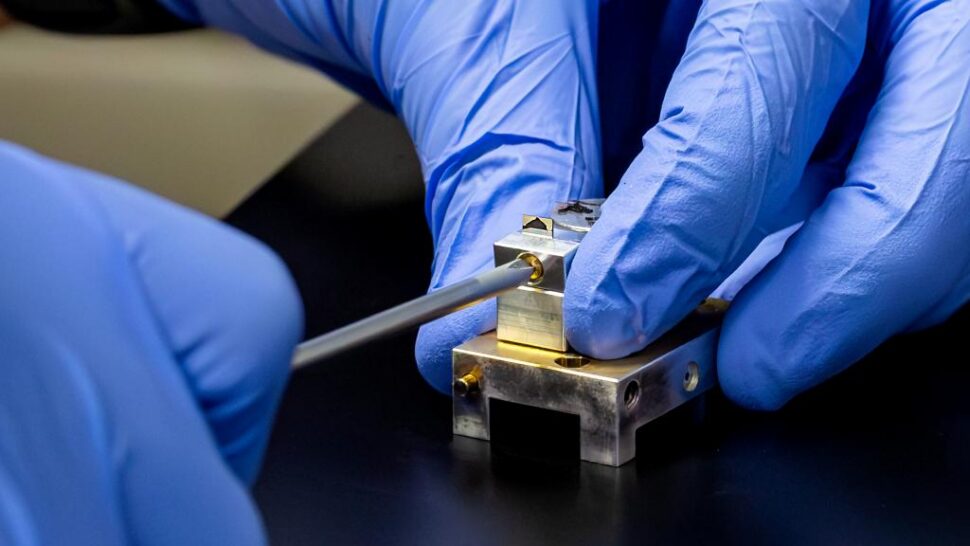
Making quantum materials into functional devices
Finding quantum effects and understanding how they work in the laboratory will only get us so far toward the quantum future. ORNL is heavily invested in understanding the structure and functional changes that happen when materials are combined, shaped and processed into useful architectures for quantum information science, or QIS.
In cutting-edge laboratory facilities like the new Translational Research Capability, ORNL researchers are understanding how to integrate materials into devices and how materials change over time as they cycle through usage. By controlling materials responses, we can build functional architectures that behave as robust quantum sensors, microelectronics, or low-power logic devices.
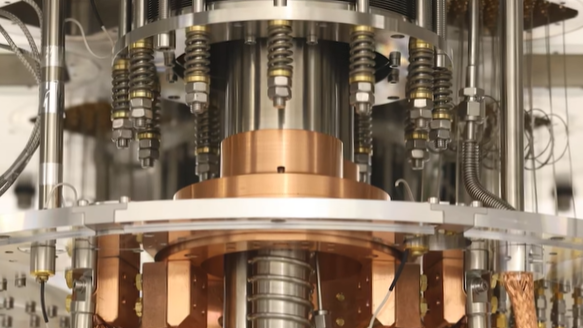
Bridging the quantum and classical worlds
The true power of quantum will only be accessed through architectures that bridge quantum and classical systems, freely exchanging information, energy, and results between the two worlds. Computers, networks, and sensing platforms must be able to leverage the complementary processing capabilities of each. These bridges may span nanometers inside devices or hundreds of miles within complex geographical networks.
A key part of this effort is the development of efficient transducers that can convert quantum signals into photons for efficient, lossless transmission over long distances. Scientists at ORNL have already developed a quantum network that crosses the lab and are working on connecting to nearby Chattanooga to explore the challenge of larger networks.
ORNL’s Big Science Facilities
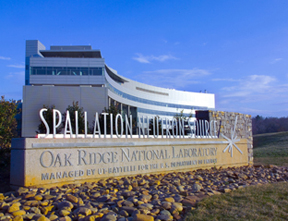
Spallation Neutron Source
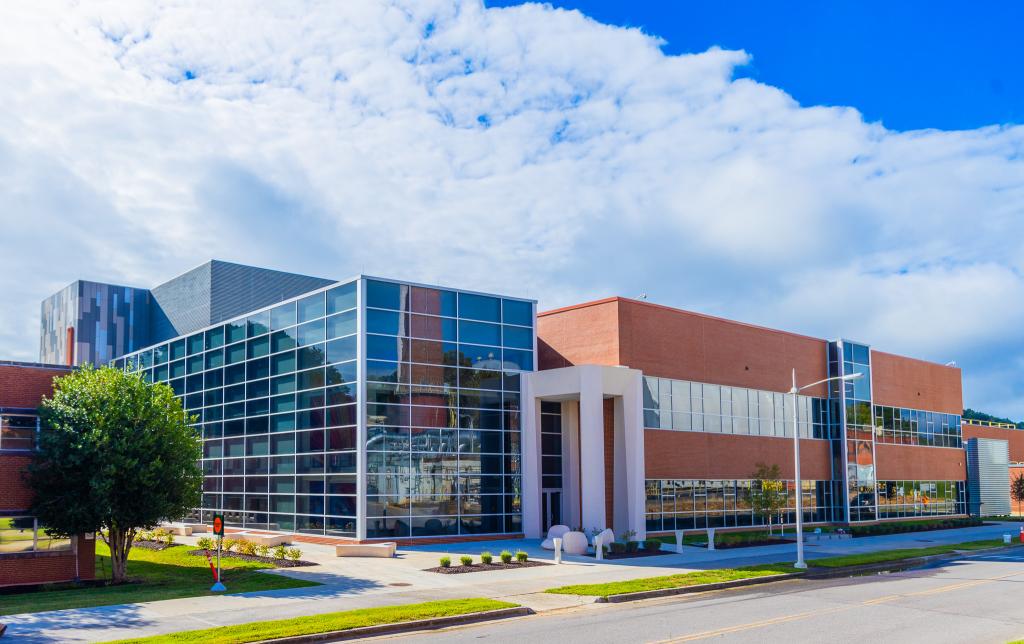
Translational Research Capability
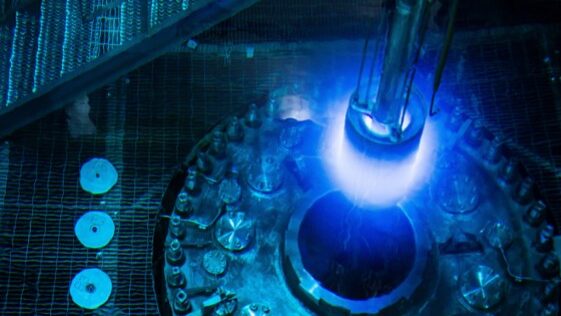
High Flux Isotope Reactor
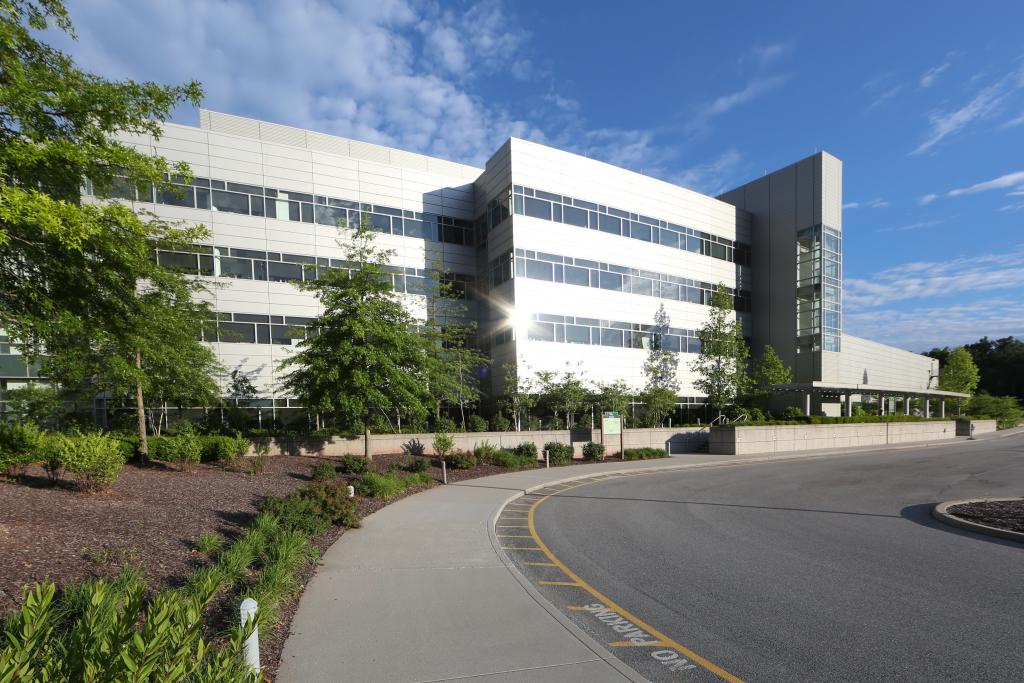
Center for Nanophase Materials Sciences
Future Enhancements
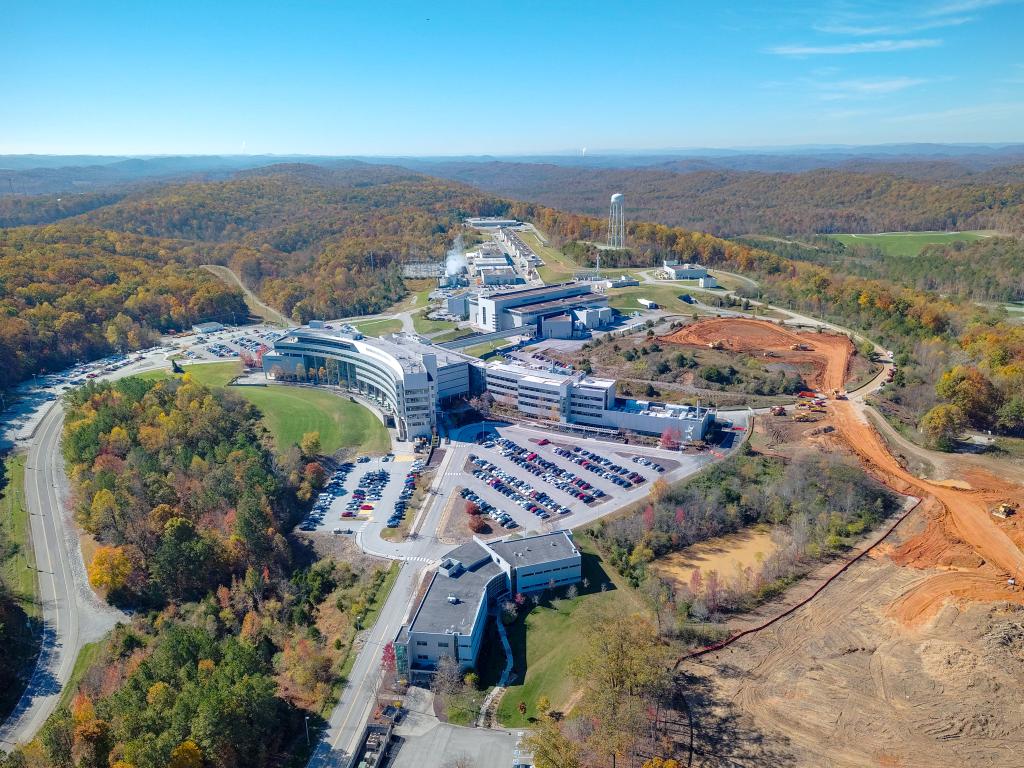
SNS Proton Power Upgrade
Once complete, this expansion will provide 40% more power to the SNS’s First Target Station, enabling the production of more neutrons and new experimental capabilities.
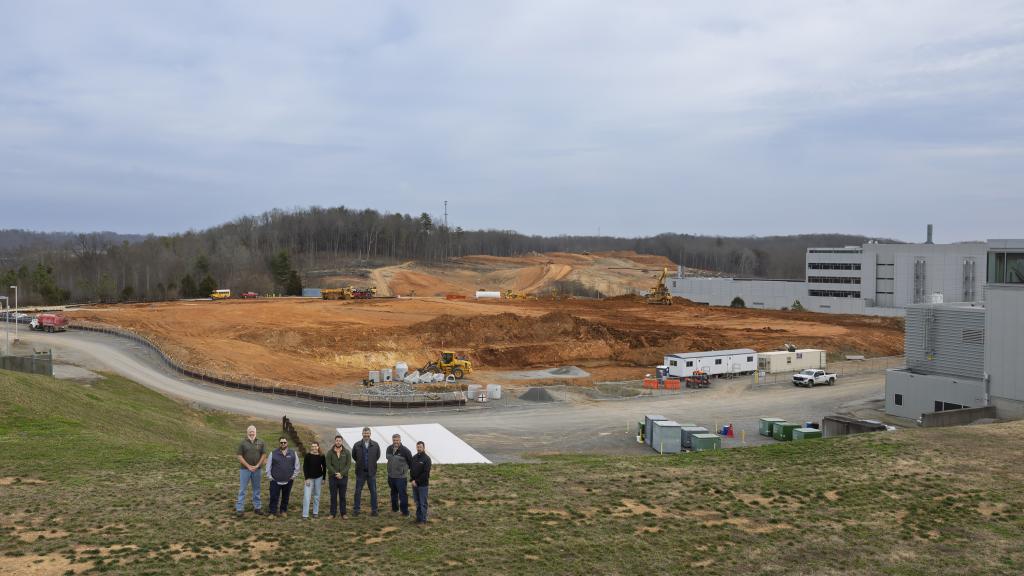
SNS Second Target Station
In 2025, ORNL began work on the construction of a second target station at the SNS, which will significantly increase the scientific capabilities of the SNS.