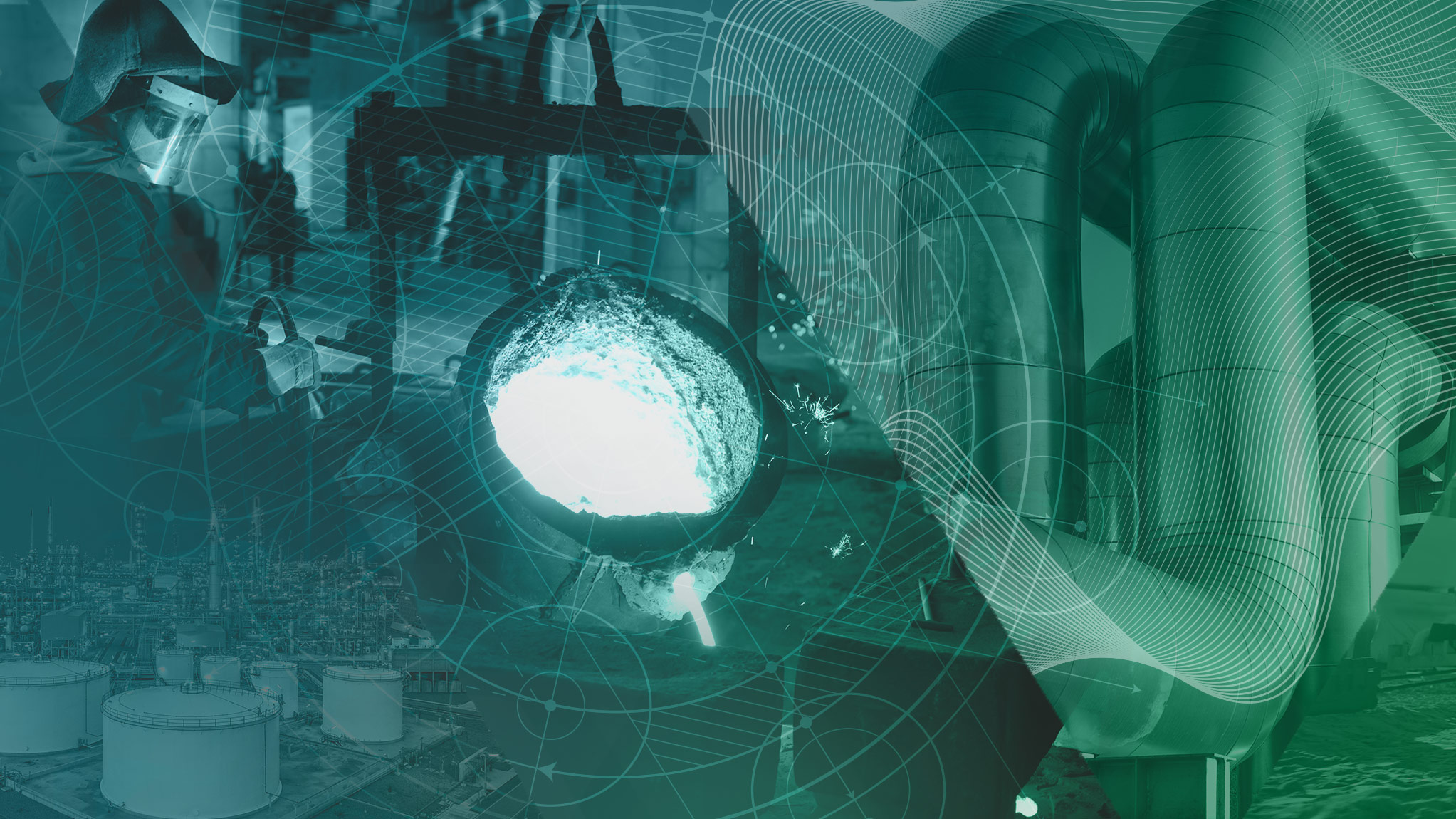
Industrial processes turn raw materials into the products that power the U.S. economy. ORNL combines science, engineering, modeling, and pilot-scale testing to help industry improve productivity, reduce costs, strengthen supply chains, and move new technologies into production.
From Lab to Production
Chemical Process Scale-Up
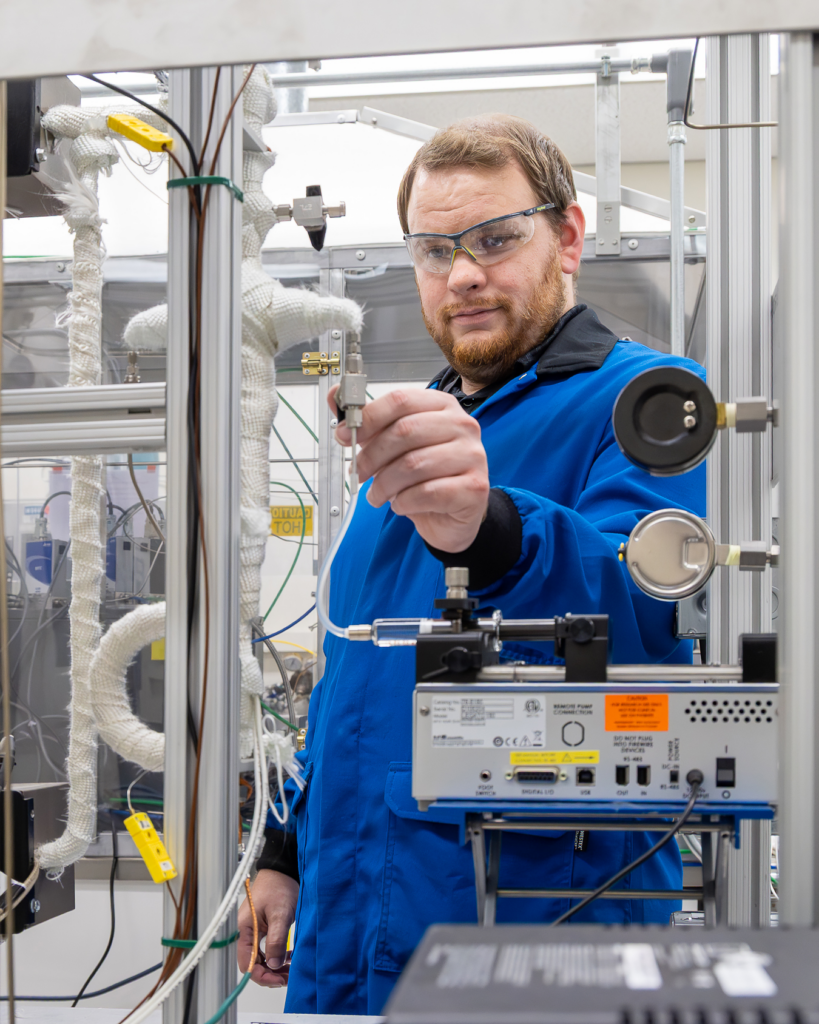
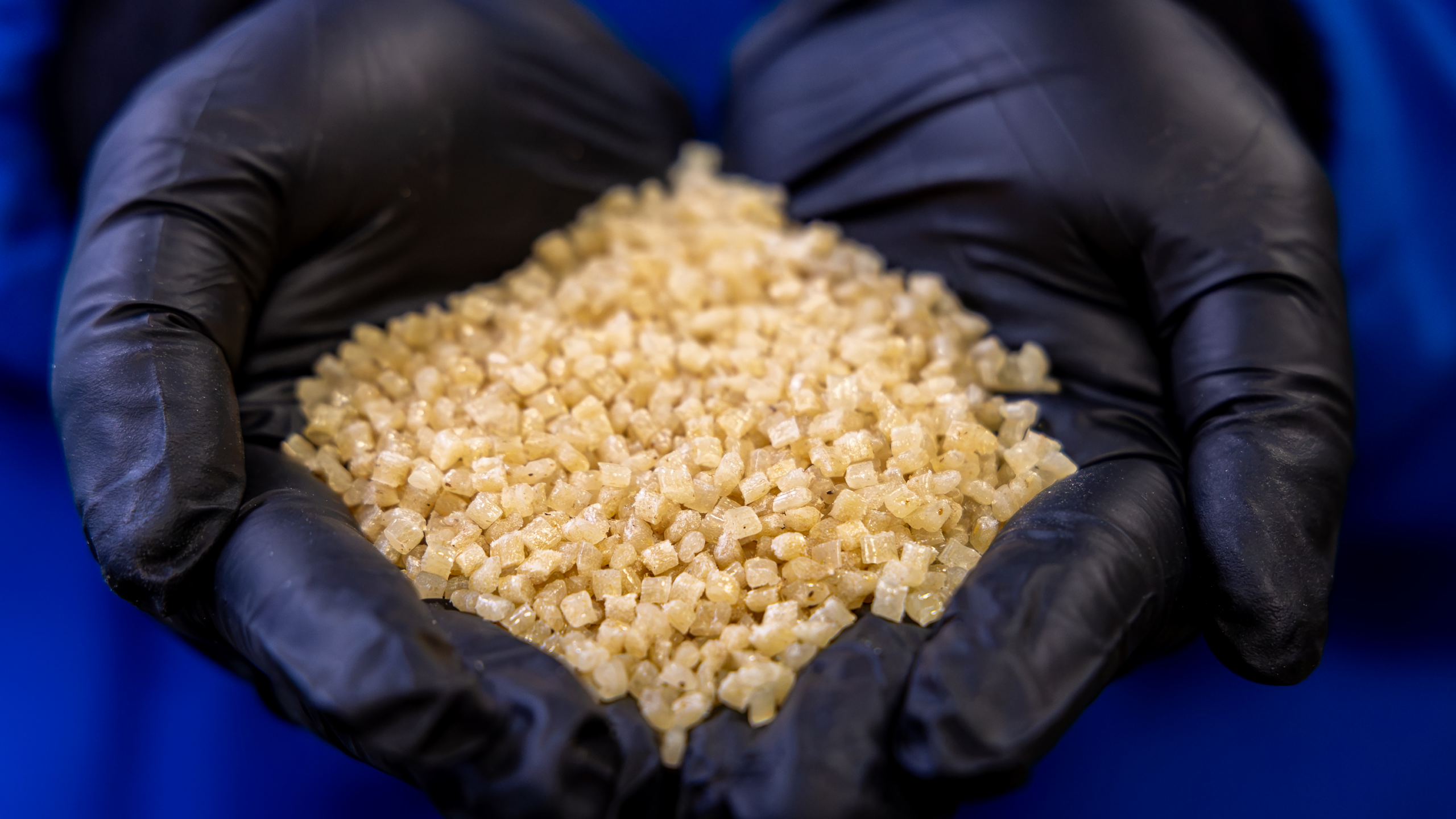
Moving a chemical process from the laboratory to production can change how materials react, mix, separate, and transfer heat. Modeling, experimentation, and pilot-scale testing help identify these challenges and refine processes before commercial deployment.
Improving Plant Performance
Manufacturing Energy Efficiency
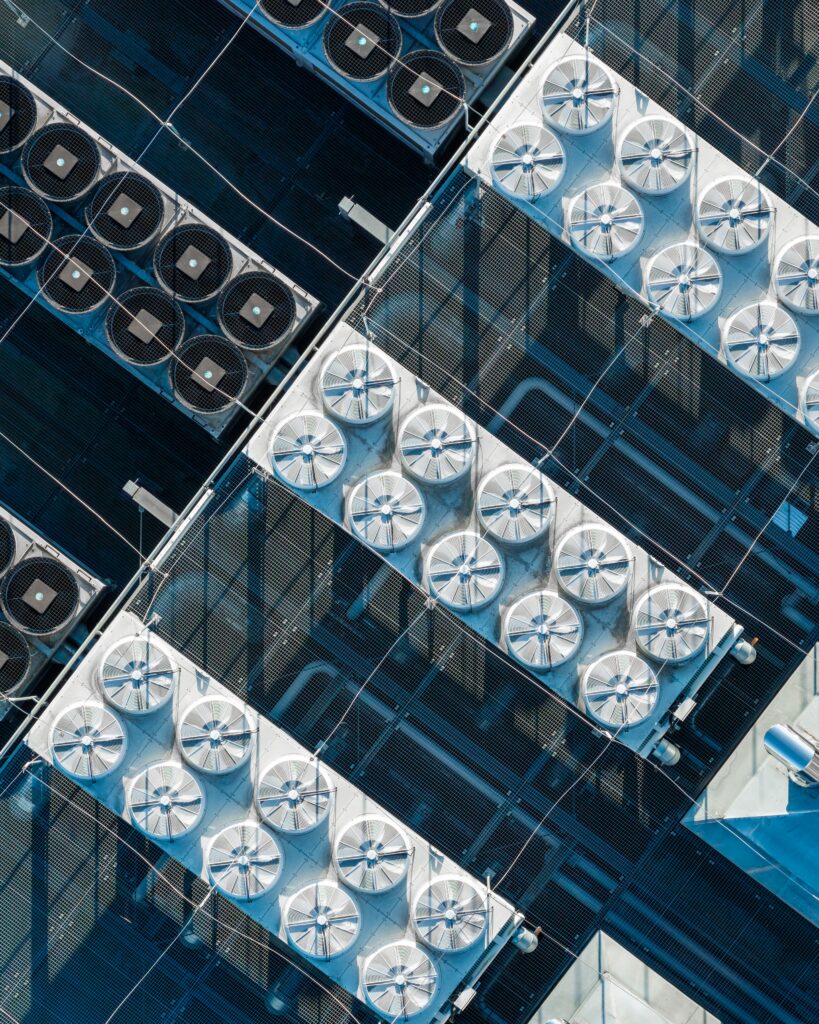
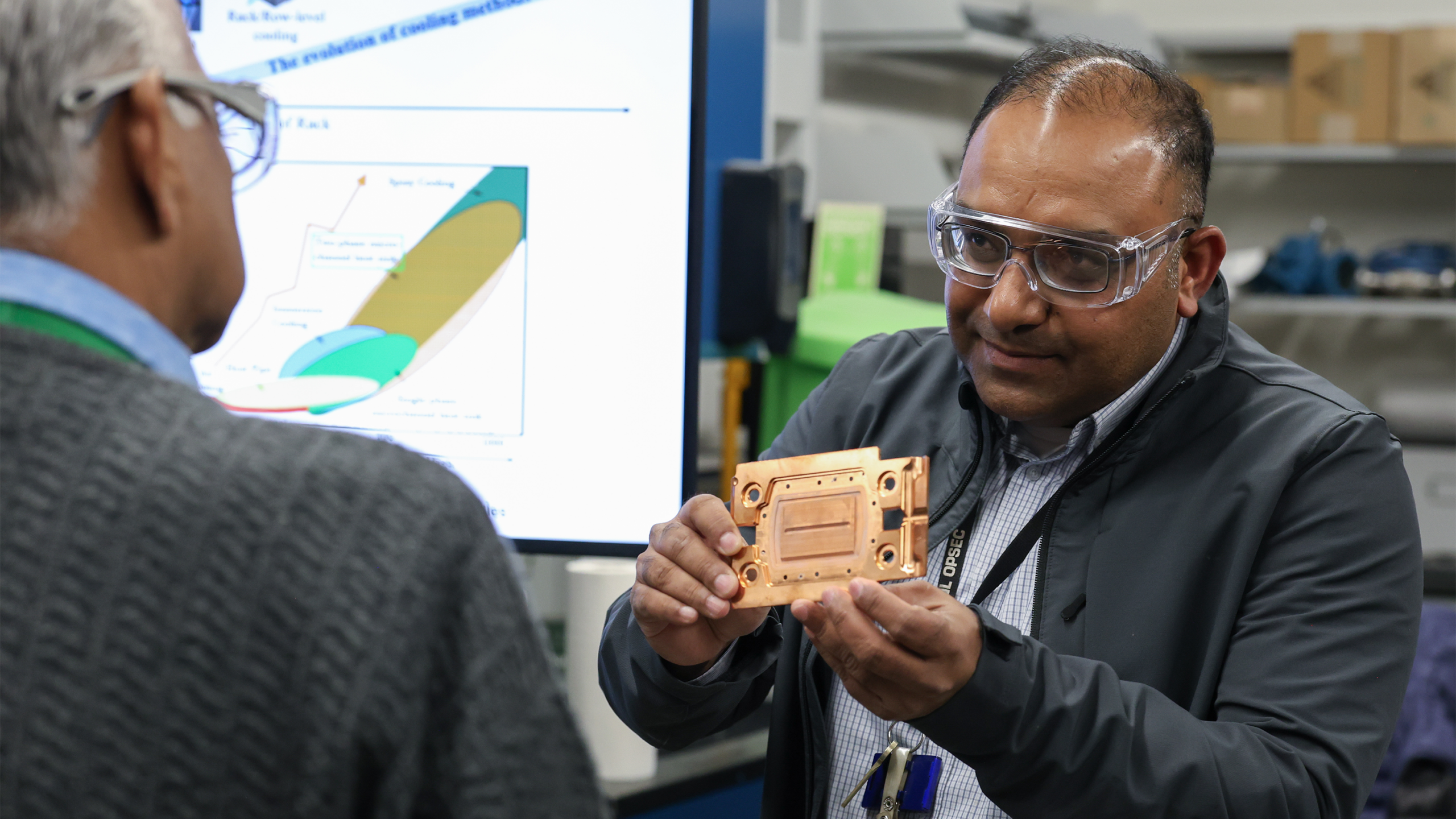
Manufacturing facilities depend on interconnected systems for heating, cooling, pumping, compressed air, and other operations. Research, analysis, field validation, and software tools help manufacturers understand these systems and identify opportunities to improve performance and reduce operating costs.
Managing Heat More Effectively
Industrial Process Heating
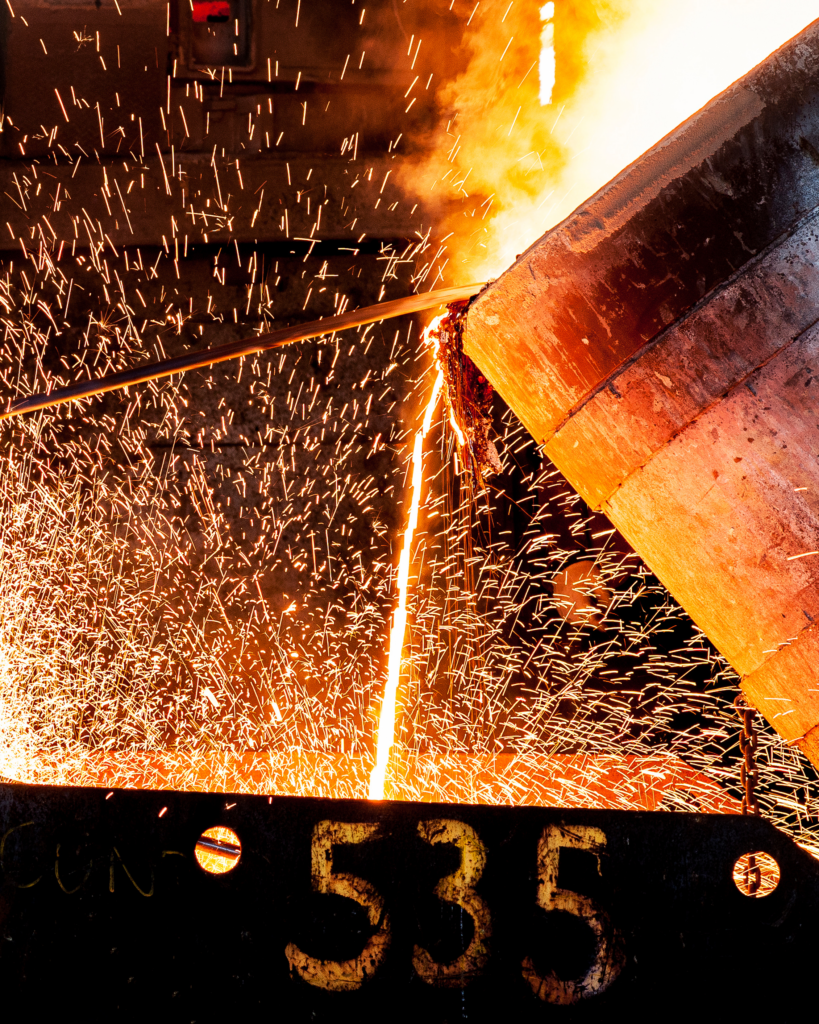
Heating affects production rates, product quality, equipment performance, and operating costs across many industries. Research examines how industrial heat is generated, transferred, managed, and recovered, with test beds providing realistic environments for evaluating new technologies.
Centers of Excellence
Funded by DOE’s Industrial Technologies Office, these centers connect industry with national laboratory and university research capabilities to tackle challenges in major industrial sectors and technologies.
Center for Magnetic-Electric Generation for Novel Energy Transformative Systems
Better Buildings Better Plants
Turning efficiency goals into results
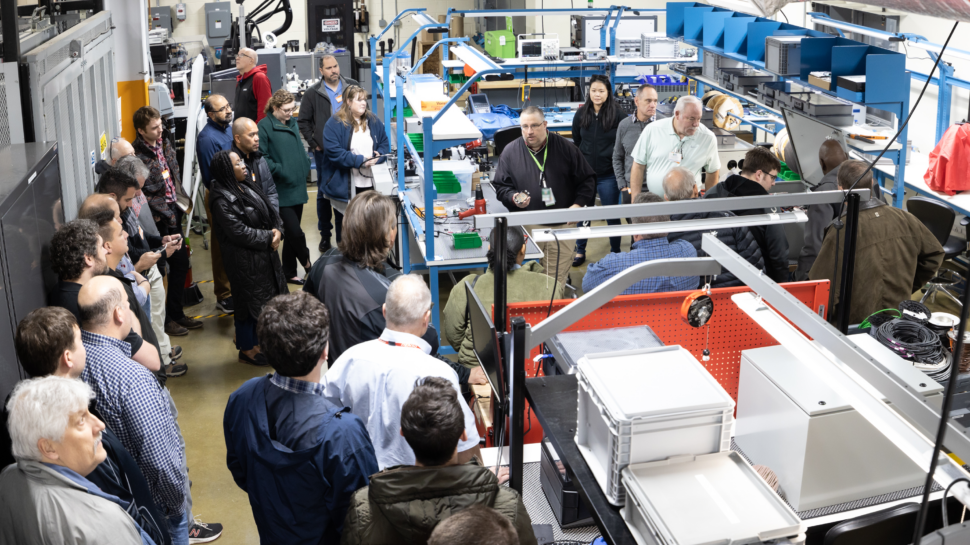
The U.S. Department of Energy’s Better Buildings Better Plants program connects manufacturers and water and wastewater organizations with technical expertise, training, software, and tools to improve energy performance. ORNL coordinates technical resources that help partners analyze industrial systems, identify opportunities, and build energy-management capabilities.