Challenge Areas
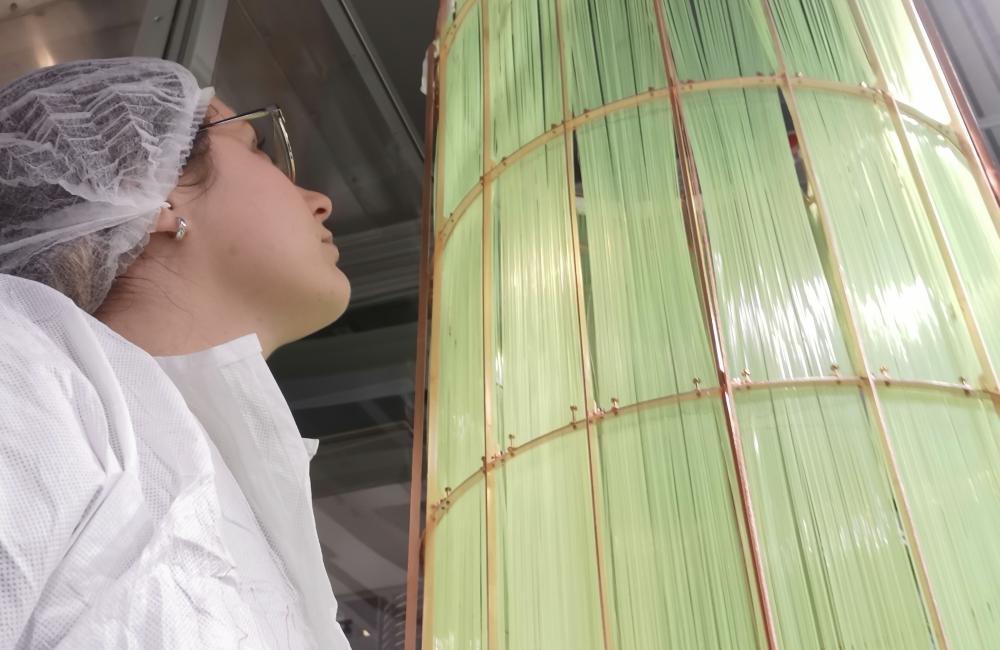
Rare-Event Searches
ORNL develops detector systems for experiments that look for extraordinarily rare processes—measurements that demand ultra-low backgrounds, high resolution, and long-term stability. These efforts help scientists with tasks such as testing whether the Standard Model of Physics is complete and probing some of the deepest questions in particle physics.
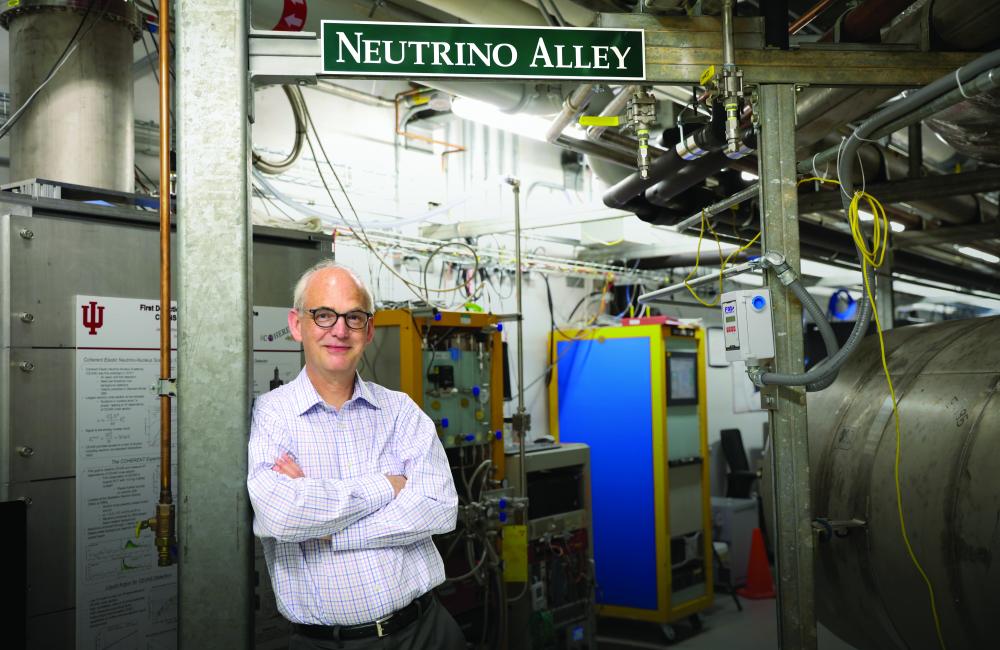
Neutrino Measurements
Neutrinos are among the most elusive particles in nature, and studying them requires custom-built detectors, careful shielding, and sophisticated analysis. ORNL advances neutrino detector systems for nuclear reactor, spallation-source, and underground neutrino experiments that expand how scientists can study neutrino interactions and properties.
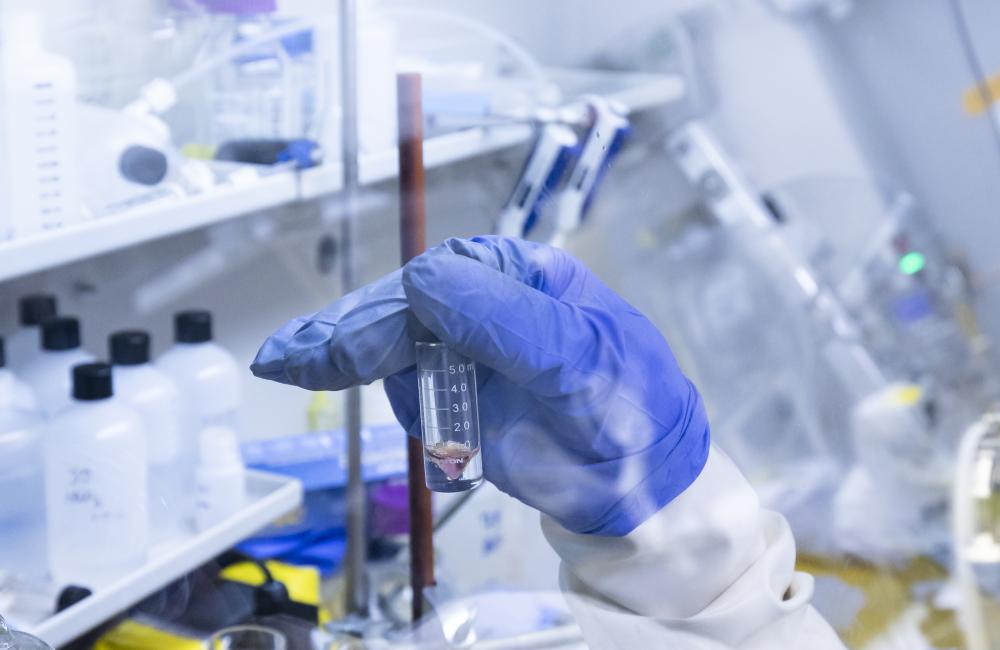
Rare Isotopes and Nuclear Decay
Understanding unstable nuclei and the origin of the elements depends on detector arrays that can capture multiple forms of radiation with speed, flexibility, and precision. ORNL builds instrumentation for decay spectroscopy and rare-isotope research that builds understanding of nuclear structure and nuclear astrophysics.
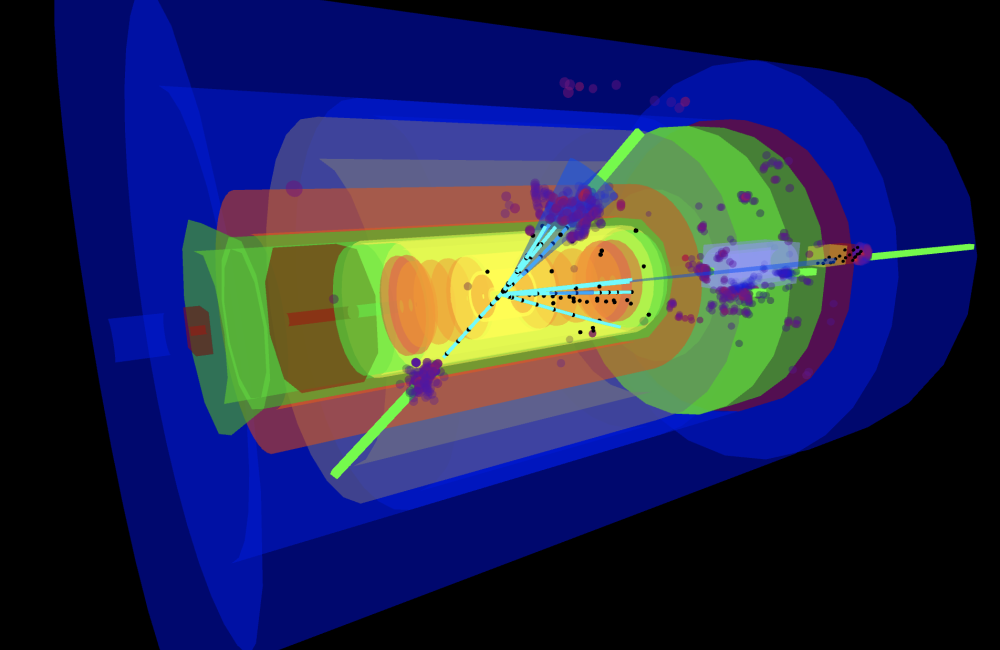
Collider Detector Systems
Collider experiments depend on the ability to accurately track the paths of particles produced. Frontier experiments demand ever higher collision rates, and experiments that explore the structure of matter require highly integrated detector architectures. ORNL contributes tracking, calorimetry, particle identification, electronics, and readout strategies for major collider efforts.
Featured Projects

LEGEND
The Large Enriched Germanium Experiment for Neutrinoless Double Beta Decay, or LEGEND, uses high-purity germanium detectors to search for one of the rarest decays in science that could answer one of physics’ most intriguing questions—why is there apparently more matter than antimatter in the universe. ORNL leads the DOE project and brings decades of expertise in germanium detector development, building on its major role in the Majorana Demonstrator.

COHERENT
At the Spallation Neutron Source (SNS), the COHERENT collaboration uses multiple detector technologies to study neutrino interactions in ways that were impossible only a few years ago. ORNL helped create the experimental foundation for this work and continues to support a growing neutrino science program based on custom instrumentation.
ePIC
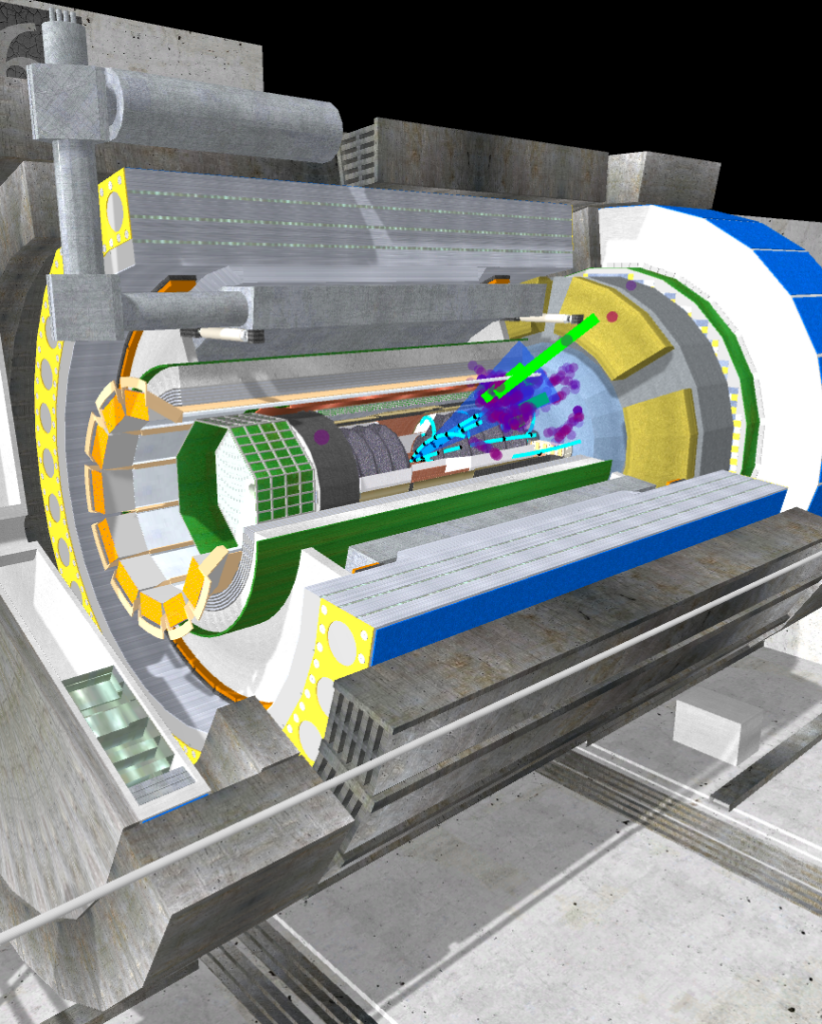
The ePIC detector will be the first for the future Electron-Ion Collider. ORNL is helping design and build key detector systems to study how quarks and gluons shape protons, neutrons, and nuclei. This work reflects a major ORNL strength in integrating advanced instrumentation, electronics, and high-rate data strategies for frontier physics.
FRIB Decay Station
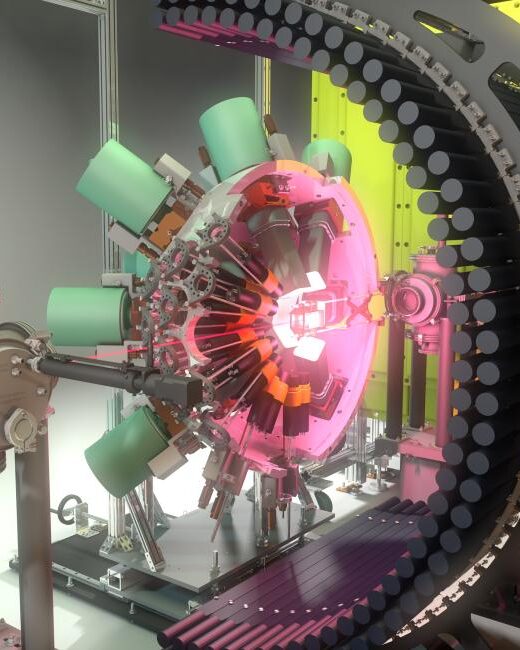
ORNL is helping develop advanced detector systems for the Facility for Rare Isotope Beams, including the FRIB Decay Station and its initiator systems. These instruments support measurements of unstable nuclei that are essential to understanding nuclear structure, stellar processes, and the origins of the elements.

Nab
ORNL is leading the Nab (Neutron “a” and “b”) experiment, which measures the properties of neutron decay, a process governed by the weak nuclear force, with unprecedented precision. Based at the Fundamental Neutron Physics Beamline at ORNL’s Spallation Neutron Source, Nab utilizes specialized silicon-based detectors to precisely determine the energy of the electrons and protons emerging from decaying neutrons, allowing a complete reconstruction of the decay process.