
MAGNETS: Magnetic-Electric Generation for Novel Energy Transformative Systems
Led by ORNL, MAGNETS supports DOE goals for transformative energy technologies and high-efficiency systems by establishing advanced testbeds to accelerate innovation in magnetic-electric energy conversion systems.
Enhancing U.S. Energy Competitiveness and Resilience
The increasing demand for new energy sources in the U.S. will put a strain on the electric grid and limit the use of AI and other computer advances. Aging infrastructure and global competition have created an urgent need for modern, energy-efficient, and cost-effective technologies.
MAGNETS enables industry to overcome these challenges by uniting DOE’s scientific capabilities with commercial manufacturing experience—translating research into solutions that advances a next generation hybrid-electric industrial process, induction-coupled thermomagnetic processing, leading to energy optimization and enhanced material properties, strengthening domestic energy security and manufacturing dominance.


How to Partner
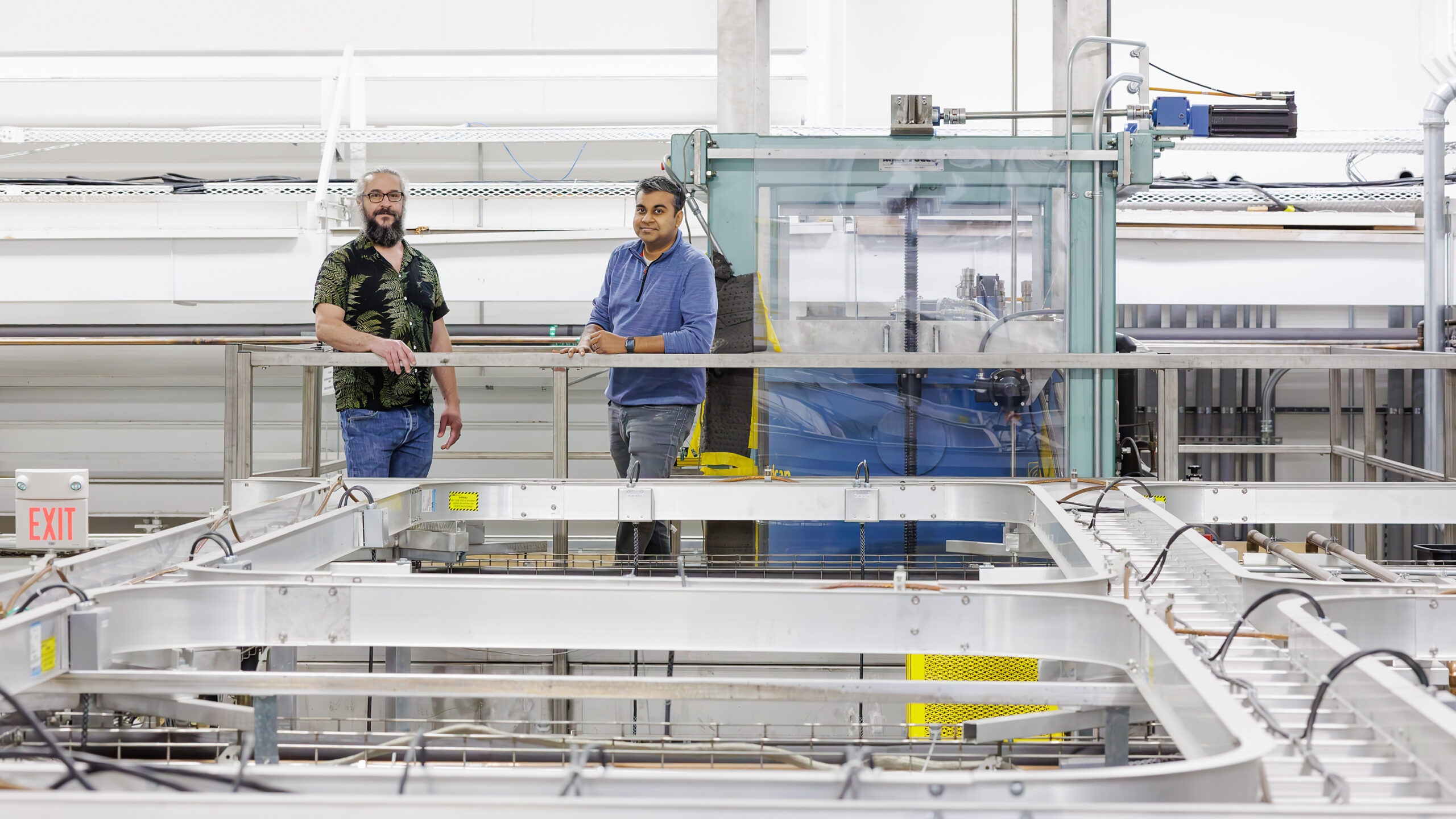
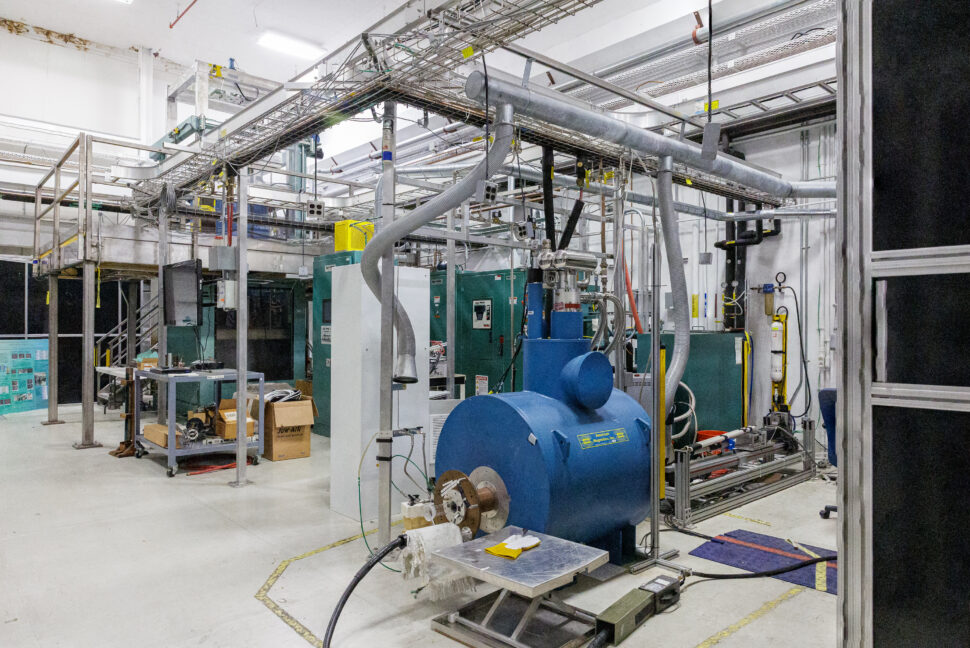
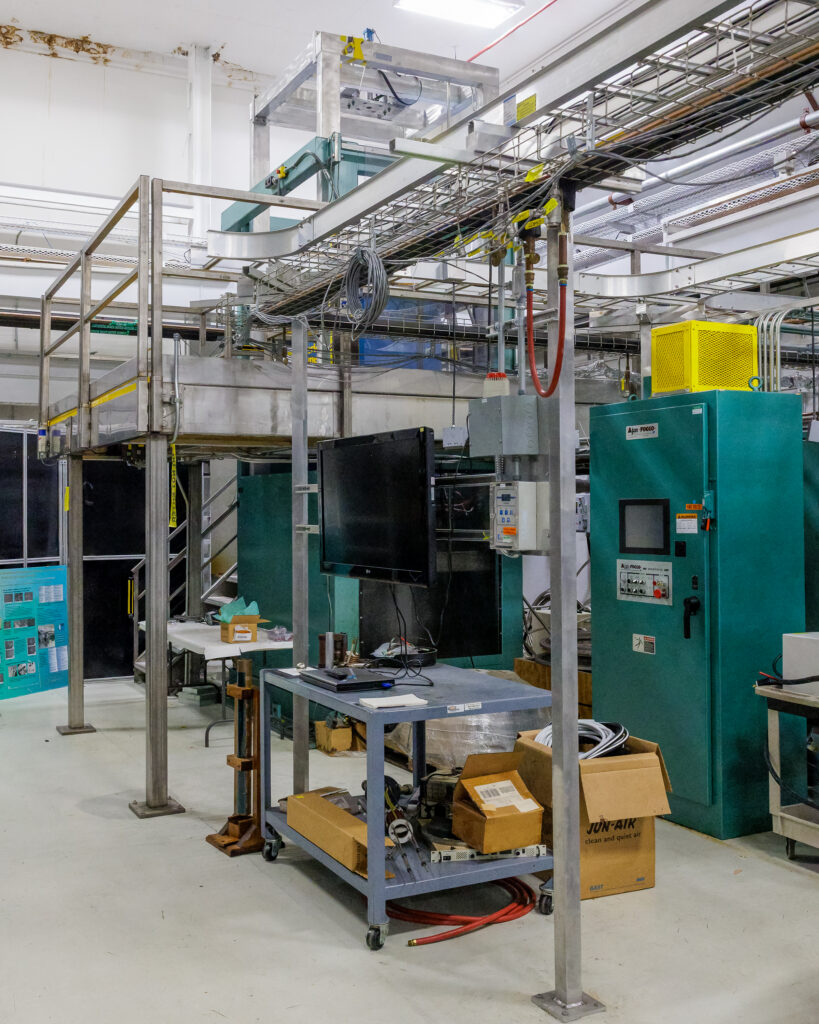
Conduct pilot-scale demonstrations at DOE’s Thermomagnetic Processing Lab at ORNL.
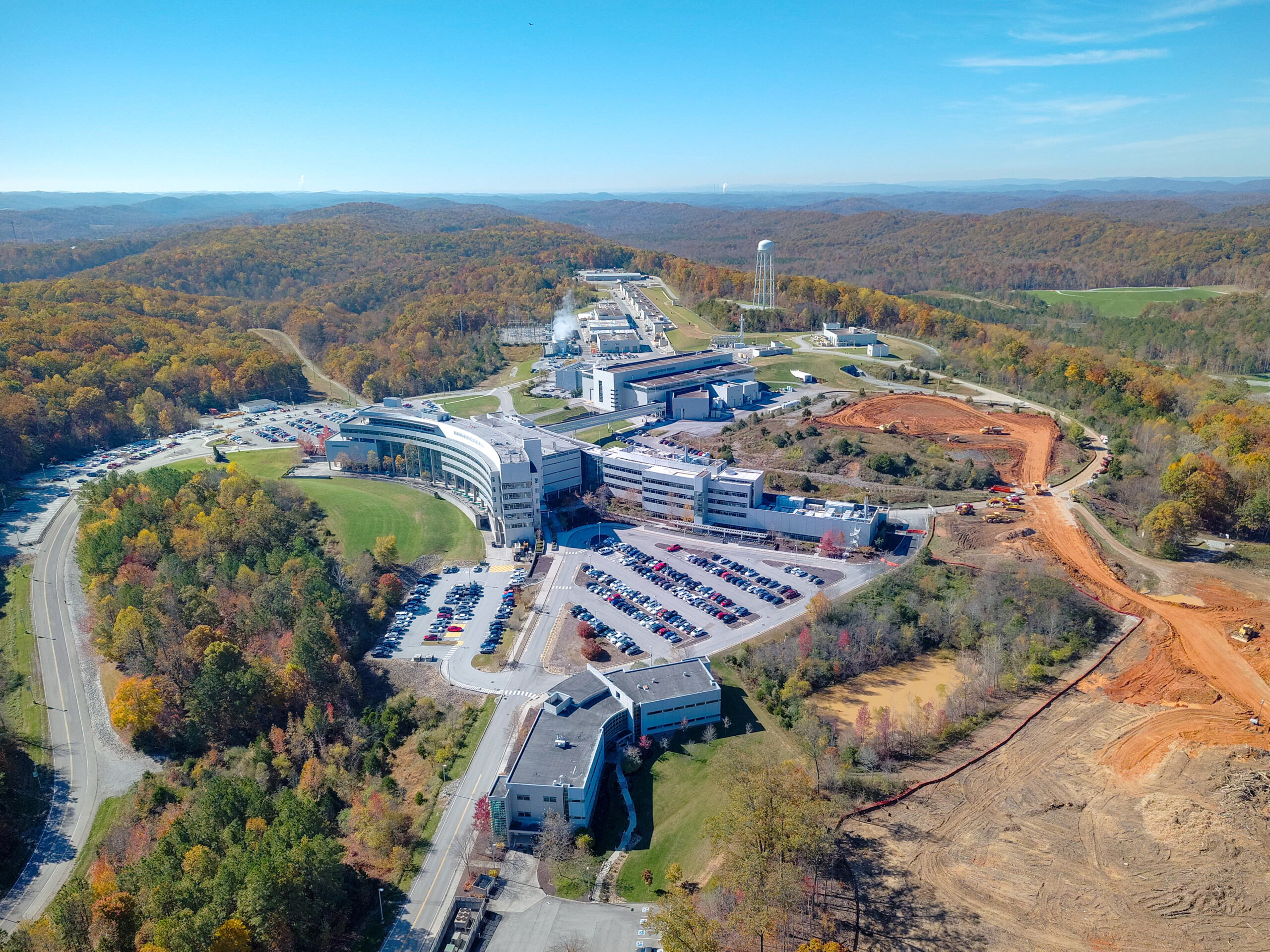
Access analytical and characterization capabilities through DOE user facilities such as the Spallation Neutron Source at ORNL.
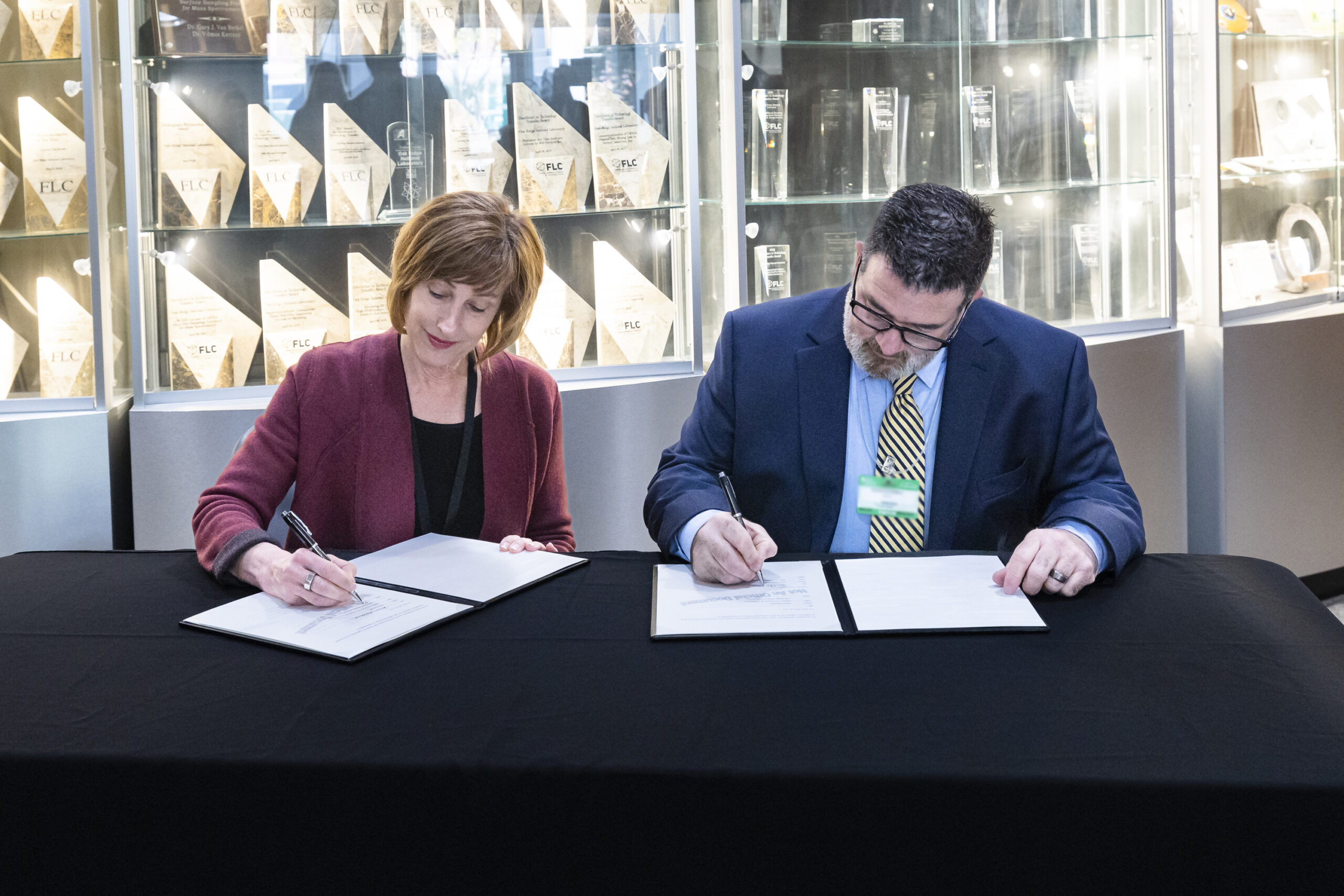
Engage through cooperative research and development agreements (CRADAs) or user agreements to de-risk new technologies.
Primary Goals
- Develop and validate magnetic-electric coupling mechanisms for power conversion.
- Explore new materials, architectures, and control systems that enhance system efficiency.
- Integrate advanced sensors and modeling tools for real-time monitoring and optimization.
- Enable cross-disciplinary R&D, linking materials science, power electronics, and manufacturing.
- Create commercialization partnerships across industry, academia, and the national laboratory system.
- Strengthen the US supply chain for energy production and critical materials.

Contact
Soumya Nag
Section Head
Materials Processing Science & Engineering Section