Downloadable References and Abstracts
Please see my Google Scholar page for the most recent references. Below are references with abstracts and PDF files available for download.

Please see my Google Scholar page for the most recent references. Below are references with abstracts and PDF files available for download.
Tailoring Vacancies Far Beyond Intrinsic Levels Changes the Carrier Type in Monolayer MoSe2-x Crystals , Masoud Mahjouri-Samani, Liangbo Liang, Akinola D Oyedele, Yong-Sung Kim, Mengkun Tian, Nicholas Cross, Kai Wang, Ming-Wei Lin, Abdelaziz Boulesbaa, Christopher M Rouleau, Alexander A Puretzky, Kai Xiao, Mina Yoon, Gyula Eres, Gerd Duscher, Bobby G Sumpter, David B Geohegan Nano Letters ASAP July (2016). DOI:10.1021/acs.nanolett.6b02263 PDF Supp.Info.
|
|
Two-dimensional GaSe/MoSe2 misfit bilayer heterojunctions by van der Waals epitaxy”, X. Li, M.-W. Lin, J. Lin, B. Huang, A. A. Puretzky, C. Ma, K. Wang, W. Zhou, S. T. Pantelides, C. Miao, I. Kravchenko, J. Fowlkes, C. M. Rouleau, D. B. Geohegan, K. Xiao Science Advances, 2, E1501882 (2016). DOI: 10.1126/sciadv.1501882 PDF Supp.Info.
|
|
Isoelectronic Tungsten Doping in Monolayer MoSe2 for Carrier Type Modulation, Xufan Li, Ming-Wei Lin, Leonardo Basile, Saban M Hus, Alexander A Puretzky, Jaekwang Lee, Yen-Chien Kuo, Lo-Yueh Chang, Kai Wang, Juan C Idrobo, An-Ping Li, Chia-Hao Chen, Christopher M Rouleau, David B Geohegan, Kai Xiao, Advanced Materials, ASAP (2016). DOI: 10.1002/adma.201601991 PDF Supp.info.
|
|
Van der Waals Epitaxial Growth of Two-Dimensional Single-Crystalline GaSe Domains on Graphene” X. Li, L.Basile, B. Huang, C. Ma, J. Lee, I. V Vlassiouk, A. A Puretzky, M.-W. Lin, M. Yoon, M. Chi, J. C Idrobo, C. M Rouleau, B. G Sumpter, D. B Geohegan, K. Xiao, , ACS Nano 9(8), 8078 (2015). DOI: 10.1021/acsnano.5b01943 PDF Suppl.Info.
|
|
Interlayer Coupling in Twisted WSe2/WS2 Bilayer Heterostructures Revealed by Optical Spectroscopy
|
|
Twisted MoSe2 Bilayers with Variable Local Stacking and Interlayer Coupling Revealed by Low-Frequency Raman Spectroscopy”, A. A. Puretzky, L. Liang, X. Li, K. Xiao, B. G. Sumpter, V. Meunier, and D. B. Geohegan ACS Nano 10, 2736 (2016). DOI: 10.1021/acsnano.5b07807PDF Suppl.Info.
|
|
Thickness Dependent charge transport in few-layer MoS2 field effect transistors, Ming-Wei Lin, Ivan I Kravchenko, Jason Fowlkes, Xufan Li, Alexander A Puretzky, Christopher M Rouleau, David B Geohegan, Kai Xiao, Nanotechnology, 27, 165203 (2016). DOI:10.1088/0957-4484/27/16/165203 PDF Supp.Info.
|
|
Observation of two distinct negative trions in tungsten disulfide monolayers
|
|
Persistent photoconductivity in two-dimensional Mo1−xWxSe2–MoSe2 van der Waals heterojunctions”, X. Li, M.-W. Lin, A. A. Puretzky, L. Basilea, K. Wang, J. C. Idrobo, C. M. Rouleau, D. B. Geohegan, K. Xiao, J. Mater. Res. 31, 923 (2016). (Invited for Focus Issue on “Two-Dimensional Heterostructure Materials”) DOI:101557/jmr.2016.35 PDF
|
|
Ultrathin nanosheets of CrSiTe3: a semiconducting two-dimensional ferromagnetic material
|
|
Structure and Formation Mechanism of Black TiO2 Nanoparticles
|
|
Phase Determination of Black TiO2 Nanoparticles
|
|
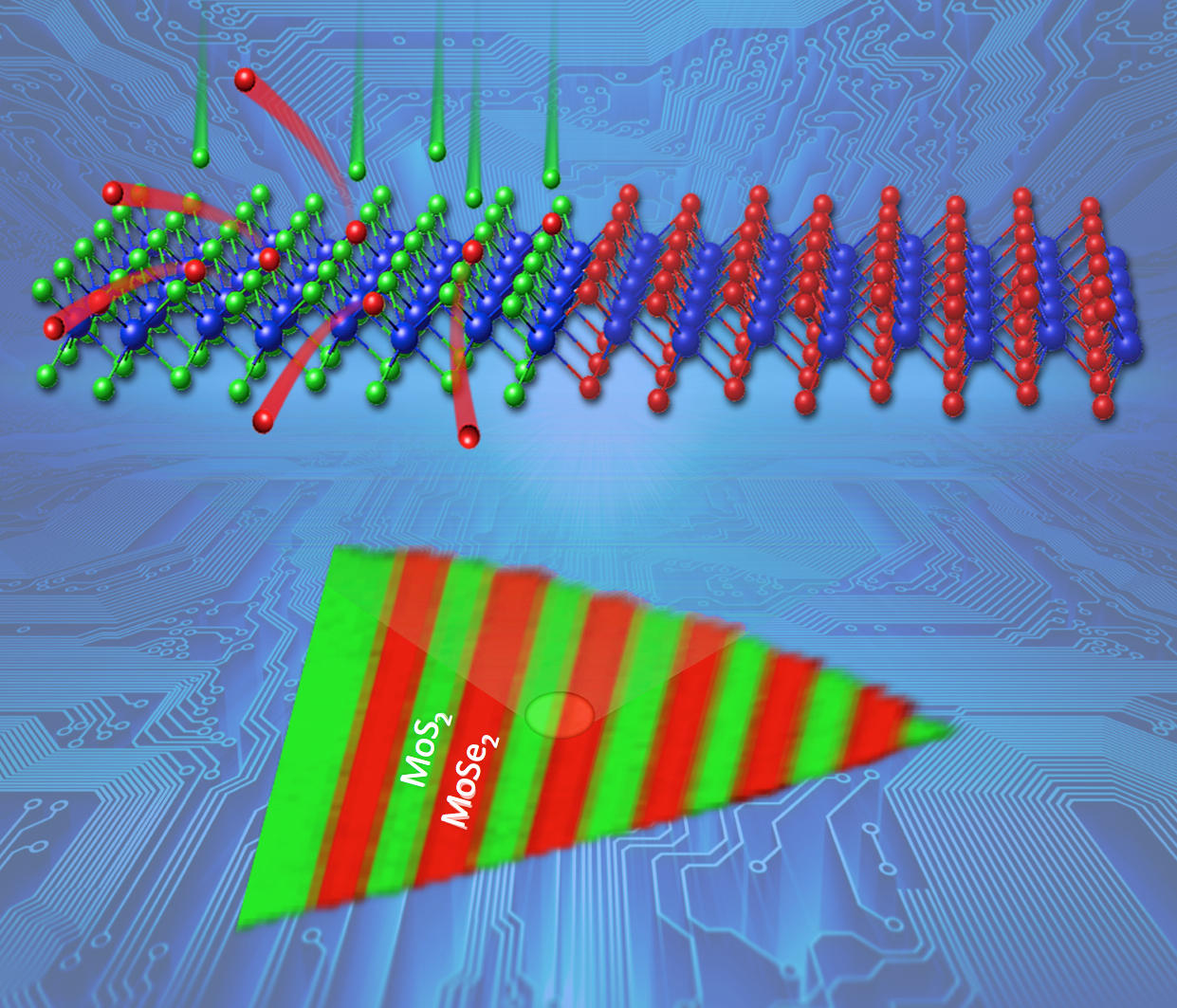
Patterned arrays of lateral heterojunctions within monolayer two-dimensional semiconductors
|
|
Van der Waals Epitaxial Growth of Two-Dimensional Single-Crystalline GaSe Domains on Graphene
|
|
Correlating high power conversion efficiency of PTB7: PC71BM inverted organic solar cells with nanoscale structures Sanjib Das, Jong K Keum, James F Browning, Gong Gu, Bin Yang, Ondrej Dyck, Changwoo Do, Wei Chen, Jihua Chen, Ilia N Ivanov, Kunlun Hong, Adam J Rondinone, Pooran C Joshi, David B Geohegan, Gerd Duscher, Kai Xiao Nanoscale, 7(38) 15576 (2015).. DOI: 10.1039/C5NR03332B PDF Supp.Info. Cover
|
|
Perovskite Solar Cells with Near 100% Internal Quantum Efficiency Based on Large Single Crystalline Grains and Vertical Bulk Heterojunctions
|
|
High-Performance Flexible Perovskite Solar Cells by Using a Combination of Ultrasonic Spray-Coating and Low Thermal Budget Photonic Curing
|
|
Low-Frequency Raman Fingerprints of Two-Dimensional Metal Dichalcogenide Layer Stacking Configurations
|
|
Low-frequency Interlayer Breathing Modes in Few-layer Black Phosphorus
|
|
Revealing the preferred interlayer orientations and stackings of two-dimensional bilayer gallium selenide crystals X. Li, L. A. Basile, M. Yoon, C. Ma, A. Puretzky, J. Lee, J. Idrobo, M. Chi, C. Rouleau, D. B. Geohegan, and K. Xiao, Angew. Chemie International Edition, 54(9) 2712 (2015). DOI: 10.1002/anie.201409743 PDF Supp.Info.
|
|
Equally Efficient Interlayer Exciton Relaxation and Improved Absorption in Epitaxial and Nonepitaxial MoS2/WS2 Heterostructures
|
|
Slowing of femtosecond laser-generated nanoparticles in a background gas C. M. Rouleau, A. A. Puretzky, and D. B. Geohegan, Applied Physics Letters, 105(21), 213108 (2014). DOI: 10.1063/1.4902878 PDF
|
|
Digital Transfer Growth of Patterned 2D Metal Chalcogenides by Confined Nanoparticle Evaporation Masoud Mahjouri-Samani, Mengkun Tian, Kai Wang, Abdelaziz Boulesbaa, Christopher M. Rouleau, Alexander A. Puretzky, Michael A. McGuire, Bernadeta R. Srijanto, Kai Xiao, Gyula Eres, Gerd Duscher, and David B. Geohegan ACS Nano 8(11) 11567 (2014). DOI: 10.1021/nn5048124 (Highlight) PDF Suppl.Info.
|
|
Understanding How Processing Additives Tune the Nanoscale Morphology of High Efficiency Organic Photovoltaic Blends: From Casting Solution to Spun-Cast Thin Film |
|
The isotopic effects of deuteration on optoelectronic properties of conducting polymers |
 |
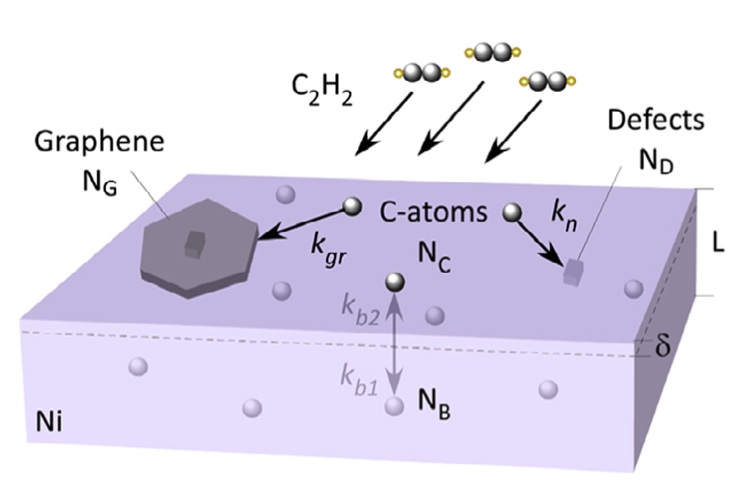
Revealing the surface and bulk regimes of isothermal graphene nucleation and growth on Ni with in situ kinetic measurements and modeling |
 |
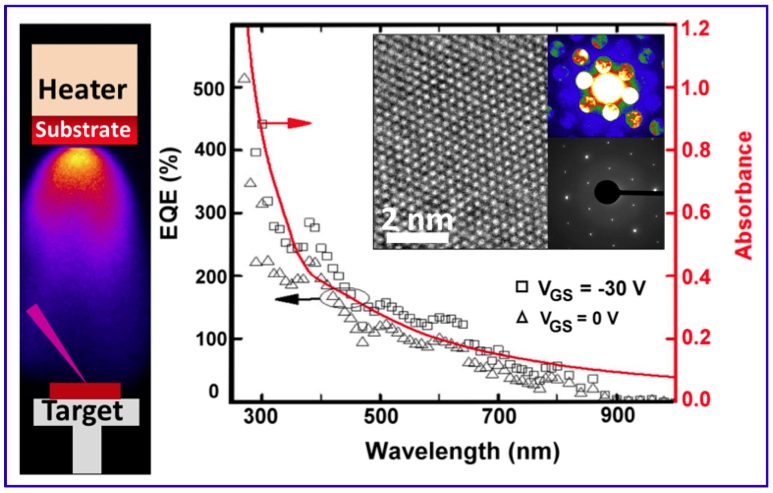
Pulsed Laser Deposition of Photoresponsive Two-Dimensional GaSe Nanosheet Networks |
 |
Cooperative Island Growth of Large Area Single-Crystal Graphene by Chemical Vapor Deposition on Cu |
 |
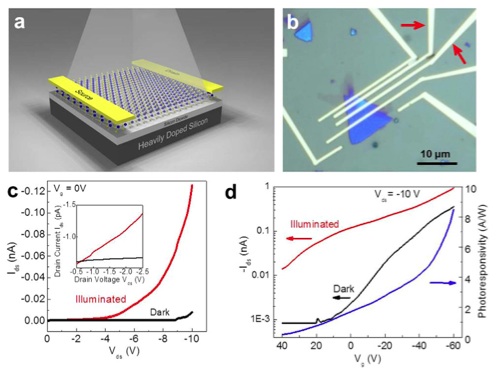
Controlled Vapor Phase Growth of Single Crystalline, Two-Dimensional GaSe Crystals with High Photoresponse
|
 |
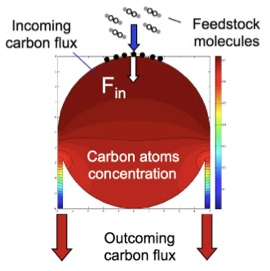
Exploring growth kinetics of carbon nanotube arrays by in situ optical diagnostics and modeling |
 |
Catalytic nanoparticles for carbon nanotube growth synthesized by through thin film femtosecond laser ablation |
 |
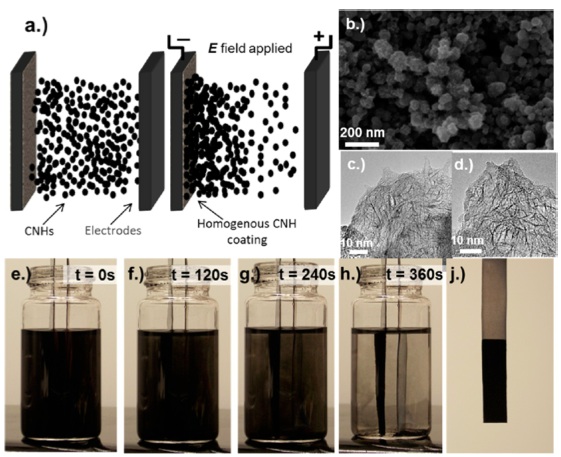
Uniform, Homogenous Coatings of Carbon Nanohorns on Arbitrary Substrates from Common Solvents |
 |
Laser Interactions for the Synthesis and In Situ Diagnostics of Nanomaterials |
 |
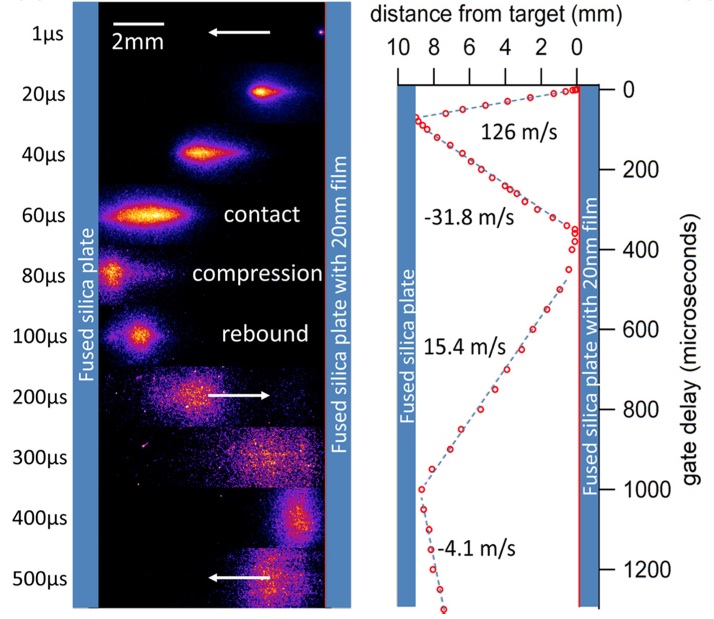
Nanoparticle Generation and Transport Resulting from Femtosecond Laser Ablation of Ultrathin Metal Films: Time Resolved Measurements and Molecular Dynamics Simulations |
 |
| Luminescent systems based on the isolation of conjugated PI systems and edge charge compensation with polar molecules on a charged nanostructured surface Ilia N. Ivanov, Alexander A. Puretzky, Bin Zhao, David B. Geohegan, David J. Styers-Barnett, Hui Hu United States Patent No. No. 8,778,226 B2 Jul. 15, 2014 PDF |
 |
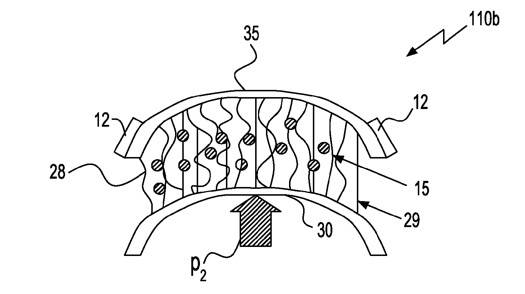
| Carbon Nanotube Temperature and Pressure Sensors Ilia N. Ivanov and David B. Geohegan United States Patent No. 8,568,027 Oct. 29, 2013 PDF |
 |
| Transparent Conductive Nano-Composites David B. Geohegan, Ilia N. Ivanov, Alex A. Puretzky, Stephen Jesse, Bin Hu, Matthew Garrett, Bin Zhao United States Patent No. 8,540,542 Sep. 24, 2013 PDF |
 |
| Fluorination of "brick and mortar" soft templated graphitic ordered mesoporous carbons for high power lithium-ion battery Pasquale F. Fulvio, Gabriel M. Veith, Jamie L. Adcock, Suree S. Brown, Richard T. Mayes, Xiqing Wang, Shannon M. Mahurin, Bingkun Guo, Xiao-Guang Sun, Alex A. Puretzky, Christopher M. Rouleau, David B. Geohegan, and Sheng Dai J. Mater. Chem. A,1, 9414-9417 (2013). DOI: 10.1039/C3TC10710H PDF |
|
| Nature of the band gap and origin of the electro-/photo-activity of Co3O4 Liang Qiao, Haiyan Xiao, Harry Meyer, Jianing Sun, Christopher M Rouleau, Alex Puretzky, David Geohegan, Ilia N Ivanov, Mina Yoon, William J Weber, Mike Biegalski J. Mater. Chem. C,1, 4628-4633 (2013). DOI: 10.1039/C3TC30861H PDF |
|
Efficient Interlayer Relaxation and Transition of Excitons in Epitaxial and Non-epitaxial MoS2/WS2 Heterostructures |
 |
Real-time optical diagnostics of graphene growth induced by pulsed chemical vapor deposition Alex Puretzky, David Geohegan, Sreekanth Pannala, Christopher M Rouleau, Murari Regmi, Norbert Thonnard, Gyula Eres Nanoscale 5 (14), 6507, (2013). PDF |
|
| High-Performance Organic Field-Effect Transistors with Dielectric and Active Layers Printed Sequentially by Ultrasonic Spraying Ming Shao, Sanjib Das, Kai Xiao, Jihua Chen, Jong K. Keum, Ilia N. Ivanov, Gong Gu, William Durant, Dawen Li, David B. Geohegan J. Mater. Chem. C, 1, 4384 (2013). PDF (Supplemental Info) |
|
| Effect of purity on the electro-optical properties of single wall nanotube-based transparent conductive electrodes Matthew Garrett, Ilia N Ivanov, David Geohegan, Bin Hu Carbon 64, 1-5, (2013). PDF |
|
Excimer laser reduction and patterning of graphite oxide |
|
How the shape of catalyst nanoparticles determines their crystallographic orientation during carbon nanofiber growth |
|
Highly Responsive Ultrathin GaS Nanosheet Photodetectors on Rigid and Flexible Substrates |
|
Surface-Induced Orientation Control of CuPc Molecules for the Epitaxial Growth of Highly Ordered Organic Crystals on Graphene |
|
A water-soluble polythiophene for organic field-effect transistors
|
|
High-temperature transformation of Fe-decorated single-wall carbon nanohorns to nanooysters: a combined experimental and theoretical study
|
|
|
Understanding the Metal-Directed Growth of Single-Crystal M-TCNQF4 Organic Nanowires with Time-Resolved in situ X-Ray Diffraction and First-Principles Theoretical Studies
|
|
| Metal-Assisted Hydrogen Storage on Pt-Decorated Single-Walled Carbon Nanohorns Yun Liu, Craig M. Brown, Dan A. Neumann, David B. Geohegan, Alexander A. Puretzky, Christopher M. Rouleau, Hui Hu, David Styers-Barnett, Pavel O. Krasnov, and Boris I. Yakobson Carbon 50, 4953 (2012). PDF |
|
| Luminescent Systems with Charge Compensation and Method of Making Ilia Ivanov, Alexander Puretzky, Bin Zhao, David Geohegan, David Styers-Barnett, Hui Hu WO Patent 2,012,044,746, 2012 PDF |
 |
| Incremental Growth of Short SWNT Arrays by Pulsed Chemical Vapor Deposition Alexander A. Puretzky, David B. Geohegan, Jeremy J. Jackso‡, Sreekanth Pannala, Gyula Eres, Christopher M. Rouleau, Karren L. More, Norbert Thonnard, and Jason D. Readle Small (2012). DOI:201102173 PDF |
|
| Flux-Dependent Growth Kinetics and Diameter Selectivity in Single-Wall Carbon Nanotube Arrays D. B. Geohegan, A. A. Puretzky, J. J. Jackson, C. M. Rouleau, G. Eres, and K. L. More, ACS Nano 5, 8311 (2011). PDF |
|
| PS-b-P3HT Copolymers as P3HT/PCBM Interfacial Compatibilizers for High Efficiency Photovoltaics Z. Z. Sun, K. Xiao, J. K. Keum, X. Yu, K. L. Hong, J. Browning, I. N. Ivanov, J. H. Chen, J. Alonzo, D. W. Li, B. G. Sumpter, E. A. Payzant, C. M. Rouleau, and D. B. Geohegan Advanced Materials 23, 5529 (2011). PDF |
|
| High-Performance Field-Effect Transistors Based on Polystyrene-b-Poly(3-hexylthiophene) Diblock Copolymers X. Yu, K. Xiao, J. H. Chen, N. V. Lavrik, K. L. Hong, B. G. Sumpter, and D. B. Geohegan ACS Nano 5, 3559 (2011).PDF |
|
| Antioxidant Deactivation on Graphenic Nanocarbon Surfaces X. Y. Liu, S. Sen, J. Y. Liu, I. Kulaots, D. Geohegan, A. Kane, A. A. Puretzky, C. M. Rouleau, K. L. More, G. T. R. Palmore, and R. H. Hurt Small 7, 2775 (2011). PDF |
|
Characterization and Carbonization of Highly Oriented Poly(diiododiacetylene) Nanofibers
|
|
Narrow and Intense Resonances in the Low-Frequency Region of Surface-Enhanced Raman Spectra of Single-Wall Carbon Nanotubes
|
|
Single Walled Carbon Nanohorns as Photothermal Cancer Agents
|
Nanoparticles have significant potential as selective photo-absorbing agents for laser based cancer treatment. This study investigates the use of single walled carbon nanohorns (SWNHs) as thermal enhancers when excited by near infrared (NIR) light for tumor cell destruction.
|
Vibrational Spectrum of the Endohedral Y2C2@C92 Fullerene by Raman Spectroscopy: Evidence for Tunneling of the Diatomic C(2) Molecule
|
The structure and vibrational spectrum of the novel endohedral fullerene Y(2)C(2)@C(92) was studied by Raman spectroscopy, with particular emphasis on the rotational transitions of the diatomic C(2) unit in the low-energy Raman spectrum. We report evidence for tunneling of this unit through the C(2) rotation plane and observe anomalous narrowing in a hindered rotational mode. We also report complementary density functional theory calculations that support our conclusions and discuss potential applications to quantum computing and nonvolatile memory devices.
|
Assembly of Single-Walled Carbon Nanohorn Supported Liposome Particles
|
|
In Vitro and in Vivo Studies of Single-Walled Carbon Nanohorns with Encapsulated Metallofullerenes and Exohedrally Functionalized Quantum Dots
|
|
A Facile High-speed Vibration Milling Method to Water-disperse Single-walled Carbon Nanohorns
C. Y. Shu, J. F. Zhang, J. C. Ge, J. H. Sim, B. G. Burke, K. A. Williams, W. M. Rylander, T. Campbell, A. Puretzky, C. Rouleau, D. B. Geohegan, K. More, A. R. Esker, H. W. Gibson, and H. C. Dorn
Chemistry of Materials 22, 347-351 (2010). PDF
The importance of chain connectivity in the formation of non-covalent interactions between polymers and single-walled carbon nanotubes and its impact on dispersion
D. Linton, P. Driva, B. Sumpter, I. Ivanov, D. Geohegan, C. Feigerle, and M. D. Dadmun
Soft Matter 6, 2801 (2010).
Pulsed Growth of Vertically Aligned Nanotube Arrays with Variable Density
J. J. Jackson, A. A. Puretzky, K. L. More, C. M. Rouleau, G. Eres, and D. B. Geohegan
ACS Nano 4, 7573 (2010). PDF
Separation of Junction and Bundle Resistance in Single Wall Carbon Nanotube Percolation Networks by Impedance Spectroscopy
M. P. Garrett, I. N. Ivanov, R. A. Gerhardt, A. A. Puretzky, and D. B. Geohegan
Applied Physics Letters 97(16), 3105 (2010).
Raman Study of Fano Interference in P-Type Doped Silicon
B. G. Burke, J. Chan, K. A. Williams, Z. L. Wu, A. A. Puretzky, and D. B. Geohegan
Journal of Raman Spectroscopy 41(12), 1759 (2010).
Investigation of Gd3N@C(2n) (40 < n < 44) family by Raman and inelastic electron tunneling spectroscopy
B. G. Burke, J. Chan, K. A. Williams, J. C. Ge, C. Y. Shu, W. J. Fu, H. C. Dorn, J. G. Kushmerick, A. A. Puretzky, and D. B. Geohegan
Physical Review B 81, 115423 (2010).
Growth, Patterning, and One-Dimensional Electron -Transport Properties of Self-Assembled Ag-TCNQF(4) Organic Nanowires
K. Xiao, A. J. Rondinone, A. A. Puretzky, I. N. Ivanov, S. T. Retterer, and D. B. Geohegan,
Chemistry of Materials 21, 4275 (2009).
Metastable Copper-Phthalocyanine Single-Crystal Nanowires and Their Use in Fabricating High-Performance Field-Effect Transistors
K. Xiao, R. J. Li, J. Tao, E. A. Payzant, I. N. Ivanov, A. A. Puretzky, W. P. Hu, and D. B. Geohegan
Advanced Functional Materials 19, 3776 (2009).
Model for Self-Assembly of Carbon Nanotubes from Acetylene Based on Real-Time Studies of Vertically Aligned Growth Kinetics
G. Eres, C. M. Rouleau, M. Yoon, A. A. Puretzky, J. J. Jackson, and D. B. Geohegan,
J Phys Chem C 113, 15484 (2009).
Selective Patterned Growth of Single-Crystal Organic Nanowires of Ag-TCNQ by Vapor Solid Reaction [Additional Supporting Information 1.6 Mb]
|
|
A New Method for Microwave Characterization of Metallic Single-Walled Carbon Nanotubes
|
|
Pulsed Laser CVD Investigations for Single-Wall Carbon Nanotube Growth Dynamics
|
|
Altering the catalytic activity of thin metal catalyst films for controlled growth of chemical vapor-deposited vertically aligned carbon nanotube arrays
|
|
Calcium as the superior coating metal in functionalization of carbon fullerenes for high-capacity hydrogen storage |
|
Calcium as the superior coating metal in functionalization of carbon fullerenes for high-capacity hydrogen storage
M. Yoon, S. Y. Yang, C. Hicke, E. Wang, D. Geohegan, and Z. Y. Zhang,
Physical Review Letters 100, 206806 (2008). Download PDF file (816 kb)
We explore theoretically the feasibility of functionalizing carbon nanostructures for hydrogen storage, focusing on the coating of C-60 fullerenes with light alkaline-earth metals. Our first-principles density functional theory studies show that both Ca and Sr can bind strongly to the C-60 surface, and highly prefer monolayer coating, thereby explaining existing experimental observations. The strong binding is attributed to an intriguing charge transfer mechanism involving the empty d levels of the metal elements. The charge redistribution, in turn, gives rise to electric fields surrounding the coated fullerenes, which can now function as ideal molecular hydrogen attractors. With a hydrogen uptake of > 8.4 wt % on Ca32C60, Ca is superior to all the recently suggested metal coating elements.
Real-time imaging of vertically aligned carbon nanotube array growth kinetics
A. A. Puretzky, G. Eres, C. M. Rouleau, I. N. Ivanov, and D. B. Geohegan,
Nanotechnology 19 (5) 055605 (2008).
Download PDF file (1.1 Mb)
In situ time-lapse photography and laser irradiation are applied to understand unusual coordinated growth kinetics of vertically aligned carbon nanotube arrays including pauses in growth, retraction, and local equilibration in length. A model is presented which explains the measured kinetics and determines the conditions for diffusion-limited growth. Laser irradiation of the growing nanotube arrays is first used to prove that the nanotubes grow from catalyst particles at their bases, and then increase their growth rate and terminal lengths.
Development of pulsed laser-assisted thermal relaxation technique for thermal characterization of microscale wires
J. Q. Guo, X. W. Wang, D. B. Geohegan, G. Eres, and C. Vincent,
Journal of Applied Physics 103, 113505 (2008).
Download PDF file (724 kb)
A transient technique is developed to measure the thermal diffusivity of one-dimensional microscale wires. In this technique, the thin wire is suspended over two copper electrodes. Upon fast (nanosecond) pulsed laser irradiation, the wire's temperature will quickly increase to a high level and then decrease gradually. Such temperature decay can be used to determine the sample's thermal diffusivity. To probe this temperature evolution, a dc is fed through the wire to sensor its voltage variation, from which the thermal diffusivity can be extracted. A 25.4 mu m thin Pt wire is characterized to verify this technique. Sound agreement is obtained between the measured data and reference value. Applying this pulsed laser-assisted thermal relaxation technique, the thermal diffusivity of multiwall carbon nanotube bundles and microscale carbon fibers is measured. Detailed analysis is conducted to study the effect of the wire embedded in the paste/base on the final measurement result. (C) 2008 American Institute of Physics.
One-dimensional electron transport in Cu-tetracyanoquinodimethane organic nanowires
Z. X. Zhou, K. Xiao, R. Jin, D. Mandrus, J. Tao, D. B. Geohegan, and S. Pennycook, Applied Physics Letters 90 (19), - (2007).
Download PDF file (384 kb)
The temperature and bias voltage dependent electrical transport properties of in situ fabricated Cu-tetracyanoquinodimethane organic nanowire devices are investigated. The low bias conductance and current exhibit a power-law dependence on temperature and bias voltage, respectively. The overall behavior of these nanowires can be well described by a theoretical model of nearly independent parallel chains of quantum dots created by randomly distributed defects. (C) 2007 American Institute of Physics.
Single-crystal organic nanowires of copper-tetracyanoquinodimethane: Synthesis, patterning, characterization, and device applications
K. Xiao, J. Tao, Z. W. Pan, A. A. Puretzky, I. N. Ivanov, S. J. Pennycook, and D. B. Geohegan,
Angewandte Chemie-International Edition 46 (15), 2650-2654 (2007).
Download PDF file (453 kb)
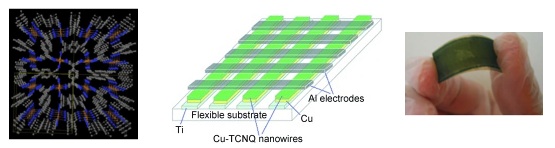
Communication. No abstract. Supporting Information PDF file (1.2 Mb)
Simple model of the interrelation between single- and multiwall carbon nanotube growth rates for the CVD process
R. F. Wood, S. Pannala, J. C. Wells, A. A. Puretzky, and D. B. Geohegan, Physical Review B 75 (23), - (2007).
Recent time-resolved measurements of carbon nanotube (CNT) growth on Fe and Fe/Mo catalysts have identified a maximum growth rate and temperature corresponding to the onset of small-diameter, single-wall CNT (SWNT) formation. A simple model described here emphasizes the essential role of the SWNTs in the growth process of CNTs. Remarkably, it shows that the growth rate (i.e., the time derivative of the length) of a multiwalled CNT is the same as that of a SWNT at the carbon flux and diffusion coefficient corresponding to a given temperature. Moreover, below similar to 700 degrees C, the temperature above which SWNT growth is observed for a 6 sccm (cubic centimeter per minute at STP) C2H2 flow rate, the number of walls as a function of temperature is uniquely determined by the interplay of the incident flux of atomic C and diffusion rates consistent with bulk diffusion. Even partial melting of the catalytic particle is unnecessary to explain the experimental results on growth rate and number of walls. Above 700 degrees C, where severe catalyst poisoning ordinarily begins, the growth rate without poisoning is consistent with recent results of Hata and co-workers [Science 306, 1362 (2004); Phys. Rev. Lett. 95, 056104 (2005)] for "supergrowth".
Formation of single crystalline ZnO nanotubes without catalysts and templates
S. L. Mensah, V. K. Kayastha, I. N. Ivanov, D. B. Geohegan, and Y. K. Yap, Applied Physics Letters 90 (11), - (2007).
Download PDF file (559 kb)
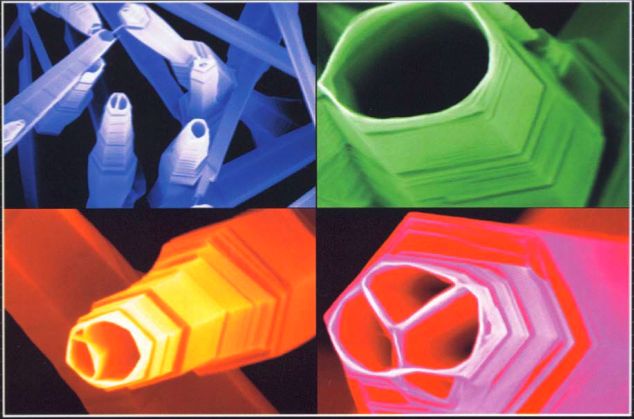
Oxide and nitride nanotubes have gained attention for their large surface areas, wide energy band gaps, and hydrophilic natures for various innovative applications. These nanotubes were either grown by templates or multistep processes with uncontrollable crystallinity. Here the authors show that single crystal ZnO nanotubes can be directly grown on planar substrates without using catalysts and templates. These results are guided by the theory of nucleation and the vapor-solid crystal growth mechanism, which is applicable for transforming other nanowires or nanorods into nanotubular structures. (c) 2007 American Institute of Physics.
The effect of annealing on the electrical and thermal transport properties of macroscopic bundles of long multi-wall carbon nanotubes
R. Jin, Z. X. Zhou, D. Mandrus, I. N. Ivanov, G. Eres, J. Y. Howe, A. A. Puretzky, and D. B. Geohegan, Physica B-Condensed Matter 388 (1-2), 326-330 (2007).
Electrical resistivity, thermal conductivity and thermoelectric power were measured on macroscopic bundles of long multi-wall carbon nanotubes (CNTs) in the temperature range between 2 and 300 K. While the electrical resistivity shows relatively small variation, the thermal conductivity is significantly enhanced and thermoelectric power changes sign from positive to negative after the samples are annealed in Ar at 2800 degrees C. Although the latter can be attributed to the adsorbed oxygen on the CNTs that is reduced through the annealing process, our results suggest the studied properties, especially thermal conductivity, are sensitive to the sample crystallinity that can be significantly improved by high-temperature annealing as well. (c) 2006 Elsevier B.V. All rights reserved.
In situ time-resolved measurements of carbon nanotube and nanohorn growth
D. B. Geohegan, A. A. Puretzky, D. Styers-Barnett, H. Hu, B. Zhao, H. Cui, C. M. Rouleau, G. Eres, J. J. Jackson, R. F. Wood, S. Pannala, and J. C. Wells, Physica Status Solidi B-Basic Solid State Physics 244 (11), 3944-3949 (2007).
Download PDF file (296 kb)
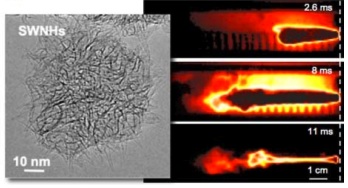
Growth mechanisms of carbon nanotubes are investigated and compared for both high- and low-temperature synthesis methods through experiments utilizing time-resolved, in situ imaging and spectroscopy. High-speed videography and pyrometry measured the timeframes for growth for single-wall carbon nanotubes (SWNHs) and nanohorns (SWNHs) by laser vaporization (LV) at 1150 degrees C, revealing that C can self-assemble at high temperatures preferentially into SWNH structures without catalyst assistance at rates comparable to catalyst-assisted SWNH growth by either laser vaporization or chemical vapor deposition (CVD). Laser interferometry and videography reveal the coordinated growth of vertically-aligned nanotube arrays (VANTAs) by CVD at 550-900 degrees C. (c) 2007 WILEY-VCH Verlag GmbH & Co. KGaA, Weinheim.
Formation studies and controlled production of carbon nanohorns using continuous in situ characterization techniques
M. D. Cheng, D. W. Lee, B. Zhao, H. Hu, D. J. Styers-Barnett, A. A. Puretzky, D. W. DePaoli, D. B. Geohegan, E. A. Ford, and P. Angelini, Nanotechnology 18 (18), 185604 (2007).
Download PDF file (552 kb)
The formation of carbon nanohorns by laser ablation was investigated using a scanning differential mobility analyzer combined with an ultrafine condensation particle counter. The measurement technique provided time-resolved size distributions for the carbon nanoparticles every minute during the course of the production run. The instrument performance was reasonably stable most of the time; however, during laser ablation, shockwave oscillations leading to significant transient flow and pressure variations were shown to disrupt the DMAs ability to measure accurate distributions. On the basis of the general trend observed in the data taken during the laser-ablation experiments, we found that the geometric mean diameter of the produced population shifted to larger particle sizes with increases in pulse width. For a given laser peak power and repetition rate, carbon nanoparticles of mobility diameter close to 100 nm were produced in a large abundance using longer laser pulse lengths ( e. g., 10 ms) as compared to the shorter pulse lengths ( e. g., 1 ms). A quantitative assessment of the particle size dispersion ( using statistics like the geometric standard deviation) in relation to the laser pulse width could not be done with certainty as the shockwave disturbances produced by the laser-ablation process caused significant disruption to SMPS measurements. When laser ablation was not in operation, it was found that carbon nanoparticles with mobility diameters centred at about 20 nm could be produced by thermally desorbing the previously deposited carbon nanoparticles from the reactor wall at temperatures greater than 1300 K.
Directed integration of tetracyanoquinodimethane-Cu organic nanowires into prefabricated device architectures
K. Xiao, I. N. Ivanov, A. A. Puretzky, Z. Q. Liu, and D. B. Geohegan, Advanced Materials 18 (16), 2184 (2006).
Download PDF file (376 kb)
Single-crystal nanowires of the organic semiconductor tetracyanoquinodi-methane-Cu (TCNQ-Cu) are directly integrated into prefabricated micro-electrode structures by growing the wires from an intermediate copper layer on the electrodes, as shown in the figure. This technique allows the nanowire growth to be integrated with device fabrication on a wide variety of substrates, eliminating the need for further assembly. The nanowire devices show bistable electrical switching behavior, which may be useful for high-density data storage.
Improving dispersion of single-walled carbon nanotubes in a polymer matrix using specific interactions
A. Rasheed, M. D. Dadmun, I. Ivanov, P. F. Britt, and D. B. Geohegan, Chemistry of Materials 18 (15), 3513-3522 (2006).
A novel approach is presented to improve the dispersion of oxidized single-walled carbon nanotubes (SWNTs) in a copolymer matrix by tuning hydrogen- bonding interactions to enhance dispersion. Nanocomposites of single- walled carbon nanotubes and copolymers of styrene and vinyl phenol (PSVPh) with varying vinyl phenol content were produced and examined. The dispersion of the SWNT in the polymer matrix is quantified by optical microscopy and Raman spectroscopy. Raman spectroscopy is also used to investigate preferred interactions between the SWNTs and the copolymers via the shift in the D* Raman band of the SWNTs in the composites. All composites show regions of SWNT aggregates; however, the aggregate size varies with composition of the PSVPh copolymer and the amount of SWNT oxidation. Optimal dispersion of the SWNT is observed in PSVPh with 20% vinyl phenol and oxidized nanotubes, which correlates with spectroscopic evidence that indicates that this system also incorporates the most interactions between SWNT and polymer matrix. These results are in agreement with previous studies that indicate that optimizing the extent of specific interactions between a polymer matrix and nanoscale filler enables the efficient dispersion of the nanofillers.
In situ electric-field-induced contrast imaging of electronic transport pathways in nanotube-polymer composites
S. Jesse, M. A. Guillorn, I. N. Ivanov, A. A. Puretzky, J. Y. Howe, P. F. Britt, and D. B. Geohegan, Applied Physics Letters 89 (1), 013114 (2006).
Download PDF file (220 kb)
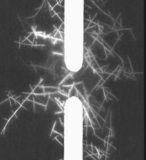
An electric-field-induced contrast mechanism for scanning electron microscopy is reported which permits the visualization of embedded nanomaterials inside various matrices with high contrast and high definition. The high contrast is proposed to result from localized enhancement of secondary electron emission from the nanomaterials due to electric-field-induced changes in their work functions. By utilizing a stage that allows in situ current-voltage measurements inside a scanning electron microscope, single-walled carbon nanotubes embedded within polymethyl methacrylate films were visualized directly. In addition to the rapid assessment of nanotube dispersion within polymers, electric-field-induced contrast imaging enables the determination of percolation pathways. From the contrast in the images, the relative voltage at all points in the electron micrograph can be determined, providing a new mechanism to understand electronic percolation through nanoscale networks.
Fast and highly anisotropic thermal transport through vertically aligned carbon nanotube arrays
I. Ivanov, A. Puretzky, G. Eres, H. Wang, Z. W. Pan, H. T. Cui, R. Y. Jin, J. Howe, and D. B. Geohegan
Applied Physics Letters 89 (22), 223110 (2006).
Download PDF file (280 kb)
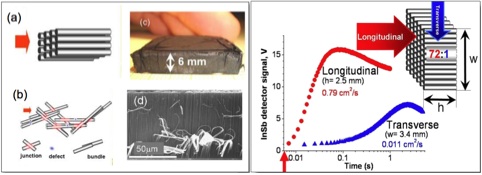
This letter reports on fast and highly anisotropic thermal transport through millimeter-tall, vertically aligned carbon nanotube arrays (VANTAs) synthesized by chemical vapor deposition on Si substrates. Thermal diffusivity measurements were performed for both longitudinal and transverse to the nanotube alignment direction, with longitudinal values as large as 2.1 +/- 0.2 cm(2)/s and anisotropy ratios as large as 72. Longitudinal thermal conductivities of 15.3 +/- 1.8 W/(m K) for porous 8 +/- 1 vol % VANTAs in air and 5.5 +/- 0.7 W/(m K) for epoxy-infiltrated VANTAs already exceed those of phase-changing thermal interface materials used in microelectronics. Data suggest that further improvements are possible through optimization of density and defects in the arrays.
Imperfect surface order and functionalization in vertical carbon nanotube arrays probed by near edge X-ray absorption fine structure spectroscopy (NEXAFS)
T. Hemraj-Benny, S. Banerjee, S. Sambasivan, D. A. Fischer, G. Eres, A. A. Puretzky, D. B. Geohegan, D. H. Lowndes, J. A. Misewich, and S. S. Wong, Physical Chemistry Chemical Physics 8 (43), 5038-5044 (2006).
Probing surface order as well as the degree of structural modi. cation in carbon nanotube systems is of fundamental importance for incorporation of these materials into practical functional devices. The current study pertains to the analysis of the surface order of vertically-aligned single-walled and multi-walled carbon nanotube arrays of varying length and composition by means of near-edge X-ray fine structure spectroscopy (NEXAFS). Both NEXAFS and scanning electron microscopy (SEM) studies concluded that the nanotubes in these samples were oriented vertically to the plane of the surface. However, NEXAFS polarization analysis provided a more quantitative and nuanced description of the surface structure, indicative of far less localized surface order, an observation partially attributed to misalignment and bending of the tubes. Moreover, it was demonstrated by NEXAFS that the surface order of the arrays was imperfect and relatively independent of the height of the nanotube arrays. In addition, we have shown that NEXAFS can be used to correlate the extent of chemical functionalization and oxygenation with disruption of the electronic and physical structure of nanotubes embedded in array motifs.
Near-edge X-ray absorption fine structure spectroscopy as a tool for investigating nanomaterials
T. Hemraj-Benny, S. Banerjee, S. Sambasivan, M. Balasubramanian, D. A. Fischer, G. Eres, A. A. Puretzky, D. B. Geohegan, D. H. Lowndes, W. Q. Han, J. A. Misewich, and S. S. Wong
Small 2 (1), 26-35 (2006).
We have demonstrated near-edge X-ray absorption fine structure (NEXAFS) spectroscopy as a particularly useful and effective technique for simultaneously probing the surface chemistry, surface molecular orientation, degree of order, and electronic structure of carbon nanotubes and related nanomaterials. Specifically, we employ NEXAFS in the study of single-walled carbon nanotube and multi-walled carbon nanotube powders, films, and arrays, as well as of boron nitride nanotubes. We have focused on the advantages of NEXAFS as an exciting, complementary tool to conventional microscopy and spectroscopy for providing chemical and structural information about nanoscale samples.
Carbon nanotube effects on electroluminescence and photovoltaic response in conjugated polymers
Z. H. Xu, Y. Wu, B. Hu, I. N. Ivanov, and D. B. Geohegan
Applied Physics Letters 87 (26), (2005).
This letter reports the experimental results of enhanced electroluminescence (EL) and photovoltaic (PV) response upon doping single-wall carbon nanotubes (SWNTs) into conjugated polymer poly[2-methoxy-5-(2(')-ethylhexyloxy)-1, 4-phenylenevinylene] (MEHPPV) based on single-layer light-emitting diodes. We found that the dispersed SWNTs result in two processes: charge transport and exciton dissociation at the tube-chain interface in the SWNT/polymer composites. The detailed EL and PV studies indicate that low SWNT doping concentrations mainly improve the bipolar charge injection, leading to enhanced both reverse and forward EL with reduced threshold voltage. As the SWNT doping concentration continues to increase, the interfacial exciton dissociation becomes dominated, giving rise to an increased PV response. This SWNT concentration-dependent charge transport and exciton dissociation present a pathway to individually address the dual EL and PV functionalities of SWNT-doped polymer composites by controlling the doping level of the SWNTs.
Low temperature growth of boron nitride nanotubes on substrates
J. S. Wang, V. K. Kayastha, Y. K. Yap, Z. Y. Fan, J. G. Lu, Z. W. Pan, I. N. Ivanov, A. A. Puretzky, and D. B. Geohegan
Nano Letters 5 (12), 2528-2532 (2005).
High growth temperatures (> 1100 degrees C), low production yield, and impurities have prevented research progress and applications of boron nitride nanotubes; (BNNTs) in the past 10 years. Here, we show that BNNTs can be grown on substrates at 600 degrees C. These BNNTs are constructed of high-order tubular structures and can be used without purification. Tunneling spectroscopy indicates that their band gap ranges from 4.4 to 4.9 eV.
In situ measurements and modeling of carbon nanotube array growth kinetics during chemical vapor deposition
A. A. Puretzky, D. B. Geohegan, S. Jesse, I. N. Ivanov, and G. Eres,
Applied Physics A-Materials Science & Processing 81 (2), 223-240 (2005). PDF
Direct measurements of carbon nanotube growth kinetics are described based upon time-resolved reflectivity (TRR) of a HeNe laser beam from vertically aligned nanotube arrays (VANTAs) as they grow during chemical vapor deposition (CVD). Growth rates and terminal lengths were measured in situ for VANTAs growing during CVD between 535 degrees C and 900 degrees C on Si substrates with evaporated Al/Fe/Mo multi-layered catalysts and acetylene feedstock at different feedstock partial pressures. Methods of analysis of the TRR signals are presented to interpret catalyst particle formation and oxidation, as well as the porosity of the VANTAs. A rate-equation model is developed to describe the measured kinetics in terms of activation energies and rate constants for surface carbon formation and diffusion on the catalyst nanoparticle, nanotube growth, and catalyst over-coating. Taken together with the TRR data, this model enables basic understanding and optimization of growth conditions for any catalyst/feedstock combination. The model lends insight into the main processes responsible for the growth of VANTAs, the measured number of walls in the nanotubes at different temperatures, conditions for growth of single-wall carbon nanotube arrays, and likely catalyst poisoning mechanisms responsible for the sharp decline in growth rates observed at high temperatures.
Structural control of vertically aligned multiwalled carbon nanotubes by radio-frequency plasmas
J. Menda, B. Ulmen, L. K. Vanga, V. K. Kayastha, Y. K. Yap, Z. W. Pan, I. N. Ivanov, A. A. Puretzky, and D. B. Geohegan,
Applied Physics Letters 87 (17), - (2005).
Plasma-enhanced chemical vapor deposition is the only technique for growing individual vertically aligned multiwalled carbon nanotubes (VA-MWCNTs) at desired locations. Inferior graphitic order has been a long-standing issue that has prevented realistic applications of these VA-MWCNTs. Previously, these VA-MWCNTs were grown by a one-plasma approach. Here, we demonstrate the capability of controlling graphitic order and diameters of VA-MWCNTs by decoupling the functions of the conventional single plasma into a dual-plasma configuration. Our results indicate that the ionic flux and kinetic energy of the growth species are important for improving graphitic order of VA-MWCMTs.
Reorientation of carbon nanotubes in polymer matrix composites using compressive loading
M. J. Lance, C. H. Hsueh, I. N. Ivanov, and D. B. Geohegan,
Journal of Materials Research 20 (4), 1026-1032 (2005).
Purified single-walled nanotubes (SWNTs) were dispersed in an epoxy polymer and subjected to uniaxial compressive loading. The orientation and stress in the nanotubes were monitored in situ using polarized Raman microscopy. At strains less than 2%, the nanotubes reorient normal to the direction of compression, thereby minimizing the local strain energy. Above 2% strain, the Raman peak shift reaches a plateau. A new analytical model, which approximates the SWNT reorientation by varying the aspect ratio of a representative spheroid, predicted the rotation behavior of nanotubes under load. The results of this model suggest that the observed plateau of the Raman peak shift is caused by both polymer yielding and interfacial debonding at the ends of nanotubes.
High-density vertically aligned multiwalled carbon nanotubes with tubular structures
V. K. Kayastha, Y. K. Yap, Z. Pan, I. N. Ivanov, A. A. Puretzky, and D. B. Geohegan,
Applied Physics Letters 86 (25), - (2005).
Ammonia (NH3) gas was thought to be essential for the growth of vertically aligned multiwalled carbon nanotubes (VA-MWCNTs) and led to the formation of bamboo-like structures. Here, we show that VA-MWCNTs with ideal tubular structures can be grown on substrates by various mixed gases with or without NH3 gas. The growth of these VA-MWCNTs is guided by a growth model that combined the dissociative adsorption of acetylene molecules (C2H2) and the successive vapor-liquid-solid growth mechanism. Results indicate that the key factor for growing these VA-MWCNTs is a balance between the decomposition rate of the C2H2 molecules on the iron catalyst and the subsequent diffusion and segregation rates of carbon.
Electronic transport imaging in a multiwire SnO2 chemical field-effect transistor device
S. V. Kalinin, J. Shin, S. Jesse, D. Geohegan, A. P. Baddorf, Y. Lilach, M. Moskovits, and A. Kolmakov,
Journal of Applied Physics 98 (4), - (2005).
The electronic transport and the sensing performance of an individual SnO2 crossed-nanowires device in a three-terminal field-effect transistor configuration were investigated using a combination of macroscopic transport measurements and scanning surface-potential microscopy (SSPM). The structure of the device was determined using both scanning electron- and atomic force microscopy data. The SSPM images of two crossed one-dimensional nanostructures, simulating a prototypical nanowire network sensors, exhibit large dc potential drops at the crossed-wire junction and at the contacts, identifying them as the primary electroactive elements in the circuit. The gas sensitivity of this device was comparable to those of sensors formed by individual homogeneous nanostructures of similar dimensions. Under ambient conditions, the dc transport measurements were found to be strongly affected by field-induced surface charges on the nanostructure and the gate oxide. These charges result in a memory effect in transport measurements and charge dynamics which are visualized by SSPM. Finally, scanning probe microscopy is used to measure the current-voltage characteristics of individual active circuit elements, paving the way to a detailed understanding of chemical functionality at the level of an individual electroactive element in an individual nanowire. (c) 2005 American Institute of Physics.
Molecular beam-controlled nucleation and growth of vertically aligned single-wall carbon nanotube arrays
G. Eres, A. A. Kinkhabwala, H. T. Cui, D. B. Geohegan, A. A. Puretzky, and D. H. Lowndes,
Journal of Physical Chemistry B 109 (35), 16684-16694 (2005).
The main obstacle to widespread application of single-wall carbon nanotubes is the lack of reproducible synthesis methods of pure material. We describe a new growth method for single-wall carbon nanotubes that uses molecular beams of precursor gases that impinge on a heated substrate coated with a catalyst thin film. In this growth environment the gas and the substrate temperature are decoupled and carbon nanotube growth occurs by surface reactions without contribution from homogeneous gas-phase reactions. This controlled reaction environment revealed that SWCNT growth is a complex multicomponent reaction in which not just C, but also H, and O play a critical role. These experiments identified acetylene as a prolific direct building block for carbon network formation that is an order of magnitude more efficient than other small-molecule precursors. The molecular jet experiments show that with optimal catalyst particle size the incidence rate of acetylene molecules plays a critical role in the formation of single-wall carbon nanotubes and dense vertically aligned arrays in which they are the dominant component. The threshold for vertically aligned growth, the growth rate, the diameter, and the number of walls of the carbon nanotubes are systematically correlated with the acetylene incidence rate and the substrate temperature.
A laser-deposition approach to compositional-spread discovery of materials on conventional sample sizes
H. M. Christen, I. Ohkubo, C. M. Rouleau, G. E. Jellison, A. A. Puretzky, D. B. Geohegan, and D. H. Lowndes,
Measurement Science & Technology 16 (1), 21-31 (2005).
Parallel (multi-sample) approaches, such as discrete combinatorial synthesis or continuous compositional-spread (CCS), can significantly increase the rate of materials discovery and process optimization. Here we review our generalized CCS method, based on pulsed-laser deposition. in which the synchronization between laser firing and substrate translation (behind a fixed slit aperture) yields the desired variations of composition and thickness. In situ alloying makes this approach applicable to the non-equilibrium synthesis of metastable phases. Deposition on a heater plate with a controlled spatial temperature variation can additionally be used for growth-temperature-dependence studies. Composition and temperature variations are controlled on length scales large enough to yield sample sizes sufficient for conventional characterization techniques (such as temperature-dependent measurements of resistivity or magnetic properties). This technique has been applied to various experimental studies, and we present here the results for the growth of electro-optic materials (SrxBa1-xNb2O6) and magnetic perovskites (Sr1-xCaxRuO3), and discuss the application to the understanding and optimization of catalysts used in the synthesis of dense forests of carbon nanotubes.
Scanning probe microscopy imaging of frequency dependent electrical transport through carbon nanotube networks in polymers
S. V. Kalinin, S. Jesse, J. Shin, A. P. Baddorf, M. A. Guillorn, and D. B. Geohegan,
Nanotechnology 15 (8), 907-912 (2004).
Frequency dependent electrical transport in the conducting networks of single walled carbon nanotubes embedded in polymers was studied by scanning impedance microscopy (SIM). SIM allows current flow in the nanotubes inside the polymer matrix at up to 100 nm below the surface to be imaged directly, providing a non-invasive approach for studying transport in these materials. The conductance of the composite is shown to be limited by a small number of bundle-bundle and bundle-contact junctions. For high frequencies, the SIM phase distribution along the networks is governed by the capacitive interaction between the nanotubes and the substrate and is in agreement with a transmission line model. For low driving frequencies the capacitive coupling to the back gate can be minimized and an approach for determining the potential distribution along the network by accounting for tip-surface capacitance variations is demonstrated. Thus, SIM provides a direct method for characterizing electrical transport through percolation networks formed by nanotube bundles in polymers or, more generally, nanorods in various matrices.
In situ control of the catalyst efficiency in chemical vapor deposition of vertically aligned carbon nanotubes on predeposited metal catalyst films
G. Eres, A. A. Puretzky, D. B. Geohegan, and H. Cui,
Applied Physics Letters 84 (10), 1759-1761 (2004).
Premature termination of growth, presumably because of catalyst deactivation, is an undesirable side effect of chemical vapor deposition of vertically aligned carbon nanotubes on predeposited metal catalyst films. The addition of ferrocene, an effective precursor for in situ Fe formation, was found to enhance carbon nanotube growth rates and extend growth to 3.25 mm thick carbon nanotube films. Ferrocene was introduced into the gas stream by thermal evaporation concurrently with acetylene using a specially constructed source. The key factor facilitating the growth of thick carbon nanotube films was the independent and precise control of the ferrocene amount in the feedstock. The carbon nanotube films were characterized by scanning and transmission electron microscopy, and Raman spectroscopy. The temperature dependence of the carbon nanotube growth with ferrocene exhibits a steep drop at high substrate temperatures and a loss of vertical alignment at 900 degreesC. The negative temperature coefficient of the growth rate suggests that the reaction mechanism of vertically aligned carbon nanotube growth is governed by a heterogeneous intermediate step. (C) 2004 American Institute of Physics.
Rapid growth of long, vertically aligned carbon nanotubes through efficient catalyst optimization using metal film gradients
H. M. Christen, A. A. Puretzky, H. Cui, K. Belay, P. H. Fleming, D. B. Geohegan, and D. H. Lowndes,
Nano Letters 4 (10), 1939-1942 (2004).
Pulsed laser deposited, orthogonally overlapping metal film gradients are introduced as a versatile method to optimize desired nanomaterial characteristics simultaneously as a function of catalyst composition and film thickness. Catalyst libraries generated by this method are applied here to study the growth of vertically aligned carbon nanotubes by chemical vapor deposition in acetylene from Mo/Fe/Al multilayers on Si. An Fe/Mo atomic ratio of 16:1 was discovered to be optimal for the rapid growth of nanotubes to long lengths, at rates exceeding 1 mm/hr.
Integrally gated carbon nanotube field emission cathodes produced by standard microfabrication techniques
M. A. Guillorn, M. D. Hale, V. I. Merkulov, M. L. Simpson, G. Y. Eres, H. Cui, A. A. Puretzky, and D. B. Geohegan,
Journal of Vacuum Science & Technology B 21 (3), 957-959 (2003).
The fabrication of carbon nanotube (CNT)-based field-emission devices has recently been an area of intense investigation. Here, we report a simple process for the fabrication of integrally gated CNT field-emission cathodes that uses standard microfabrication techniques. The operation of 3 X 3 field-emitter arrays produced using this process was investigated and found to behave in a manner consistent with the Fowler-Nordheim model of field emission. (C) 2003 American Vacuum Society.
In situ growth rate measurements
and length control during chemical vapor deposition of vertically aligned multiwall
carbon nanotubes
D. B. Geohegan, A. A. Puretzky, I. N. Ivanov, S. Jesse, G. Eres, and J.Y. Howe
Appl. Phys. Lett. 83, 1851 (2003). Download
PDF file (320 kB)
Time-resolved reflectivity is employed as an in situ diagnostic in thermal chemical vapor deposition of vertically aligned arrays of multiwall carbon nanotubes (VAA–MWNT). Fabry–erot interference fringes and attenuation of a reflected HeNe laser beam are used to measure the length of VAA–MWNT throughout the first 3–8 µm of growth yielding in situ measurements of growth rates and kinetics and the capability to observe the onset and termination of growth. VAA–MWNT growth is characterized between 565 and 750 °C on Si substrates with evaporated Al/Fe/Mo multilayer catalysts and acetylene feedstock. Nanotube lengths were controlled by rapid evacuation of the chamber at predetermined reflectivities, and it was demonstrated that growth can be restarted at later times. The extinction coefficients of the VAA–MWNT were studied and correlated with nanotube wall structure. Growth rates for VAA–MWNT are found to vary depending on the catalyst preparation, temperature, and time. Both the highest growth rates (0.3 µm/s) and the tallest VAA–MWNT (0.75 mm long) were achieved at 730 °C. ©2003 American Institute of Physics.
Comment on "Single-Crystals of Single-Walled Carbon Nanotubes Formed
by Self-Assembly"
M. F. Chisholm, Y. Wang, A. R. Lupini, G. Eres, A. A. Puretzky, B. Brinson,
A. V. Melechko, D. B. Geohegan, H. Cui, M. P. Johnson, S. J. Pennycook, D. H.
Lowndes, S. Arepalli, C. Kittrell, S. Sivaram, M. Kim, G. Lavin, J. Kono, R.
Hauge, and R. E. Smalley
Science 300, 1236b (2003) Download
PDF file (308 kB)
Schlittler et al. (1) reported the production of single crystals of single-walled carbon nanotubes (SWCNTs) by the thermolysis of nanopatterned structures of alternating layers of C60 and nickel. Electron diffraction, high-resolution phase contrast imaging, and electron energy loss spectroscopy (EELS) were used to characterize the resulting crystals. In this comment, we report the reproduction of their experimental results; however, we disagree with their interpretation of the data. We suggest that the crystals formed in our experiments consist not of SWCNTs, but rather of calcium molybdenum oxide.
Nucleation of Single-Walled Carbon Nanotubes
X. Fan, R. Buczko, A. A. Puretzky, D. B. Geohegan, J. Y. Howe, S. T. Pantelides,
and S. J. Pennycook
Phys. Rev. Lett. 90, 145501 (2003) Download
PDF file (424 kB)
The nucleation pathway for single-wall carbon nanotubes on a metal surface is demonstrated by a series of total energy calculations using density functional theory. Incorporation of pentagons at an early stage of nucleation is energetically favorable as they reduce the number of dangling bonds and facilitate curvature of the structure and bonding to the metal. In the presence of the metal surface, nucleation of a closed cap or a capped single-wall carbon nanotube is overwhelmingly favored compared to any structure with dangling bonds or to a fullerene.
Growth behavior of carbon nanotubes on multilayered metal catalyst film in
chemical vapor deposition
H. Cui, G. Eres, J. Y. Howe, A. Puretkzy, M. Varela, D. B. Geohegan and D. H.
Lowndes
Chem. Phys. Lett. 374,
222 (2003). Download PDF file (431
kB)
The temperature and time dependences of carbon nanotube (CNT) growth by chemical vapor deposition are studied using a multilayered Al/Fe/Mo catalyst on silicon substrates. Within the 600–1100 °C temperature range of these studies, narrower temperature ranges were determined for the growth of distinct types of aligned multi-walled CNTs and single-walled CNTs by using high-resolution transmission electron microscopy and Raman spectroscopy. At 900 °C, in contrast to earlier work, double-walled CNTs are found more abundant than single-walled CNTs. Defects also are found to accumulate faster than the ordered graphitic structure if the growth of CNTs is extended to long durations. (C) 2002 Elsevier Science B.V. All rights reserved.
Operation of individual integrally gated carbon nanotube field emitter cells
M. A. Guillorn, M. D. Hale, V. I. Merkulov, M. L. Simpson, G. Y. Eres, H. Cui,
A. A. Puretzky , and D. B. Geohegan
Appl. Phys. Lett. 81, 2860 (2002) Download
PDF file (200 kB)
In this work, we examine the operation of individual field emitter cells contained in a field emitter array composed of integrally gated multiwalled carbon nanotube (MWNT)-based field emission cathodes. These devices were found to behave in a manner consistent with a multiple emission site model of Fowler-Nordheim field emission. These results show considerable variation in the operational characteristics of cells contained within the same array and indicate that data obtained from arrays of cells are not necessarily indicative of individual cell performance. (C) 2002 American Institute of Physics.
The electrodeposition of metal at metal/carbon nanotube junctions
D. W. Austin, A. A. Puretzky, D. B. Geohegan, P. F. Britt, M. A. Guillorn, and
M. L. Simpson
Chem. Phys. Lett. 361, 525 (2002) Download
PDF file (424 kB)
We deposited a semiconducting single-walled carbon nanotube on Pd electrodes, and the initial charge transport measurements showed the usual large contact resistance between the electrodes and the nanotube. We electroplated Au over the electrodes with no obvious deposition of An along the sidewalls of the nanotube between the electrodes. Post deposition charge transport measurements indicated more than a factor of six decrease in the electrode/nanotube contact resistance, yet the semiconducting behavior of the nanotube was maintained. A significant difference in the post deposition I-V characteristics may be explained by an electronic or mechanical modification of the nanotube/electrode junction. (C) 2002 Elsevier Science B.V. All rights reserved.
Synthesis and characterization of single-wall carbon nanotube–amorphous
diamond thin-film composites
H. Schittenhelm, D. B. Geohegan, G. E. Jellison, A. A. Puretzky, M. J. Lance,
P. F. Britt
Appl. Phys. Lett. 81, 2097, (2002). Download
PDF file (256 KB)
Thin-film single-wall
carbon nanotube (SWNT) composites synthesized by pulsed laser deposition
(PLD) are reported. Ultrahard, transparent, pure-carbon, electrically
insulating, amorphous diamond thin films were deposited by PLD as
scratch-resistant, encapsulating matrices for disperse, electrically
conductive mats of SWNT bundles. In situ resistance measurements
of the mats during PLD, as well as ex situ Raman spectroscopy,
current–voltage measurements, spectroscopic ellipsometry, and field-emission
scanning electron microscopy, are used to understand the interaction between
the SWNT and the highly energetic (~100 eV) carbon species responsible
for the formation of the amorphous diamond thin film. The results
indicate that a large fraction of SWNT within the bundles survive
the energetic bombardment from the PLD plume, preserving the metallic
behavior of the interconnected nanotube mat, although with higher
resistance. Amorphous diamond film thicknesses of only 50 nm protect
the SWNT against wear, providing scratch hardness up to 25 GPa in
an optically transmissive, all-carbon thin-film composite. ©2002
American Institute of Physics.
The American Physical Society
Investigations of single-wall carbon nanotube growth by time-restricted
laser vaporization
Alex A. Puretzky, Henrik Schittenhelm, Xudong Fan, Michael J. Lance, Larry F.
Allard, Jr., and David B. Geohegan
Phys. Rev. B 65, 245425 (2002) Download
PDF file (1000 KB)
The growth times of single-wall carbon nanotubes (SWNT's) within a high-temperature laser-vaporization (LV) reactor were measured and adjusted through in situ imaging of the plume of laser-ablated material using Rayleigh-scattered light induced by time-delayed, 308-nm laser pulses. Short SWNT's were synthesized by restricting the growth time to less than 20 ms for ambient growth temperatures of 760–1100 °C. Statistical analysis of transmission electron microscope photographs indicated most-probable lengths of 35–77 nm for these conditions. Raman spectra (Eex = 1.96 and 2.41 eV) of the short nanotubes indicate that they are well-formed SWNT's. The temperature of the particles in the vortex-ring-shaped plume during its thermalization to the oven temperature was estimated by collecting its blackbody emission spectra at different spatial positions inside the oven and fitting them to Planck's law. These data, along with detailed oven temperature profiles, were used to deduce a complete picture of the time spent by the plume at high growth temperatures (760–1100 °C). The upper and lower limits of the growth rates of SWNT's were estimated as 0.6 and 5.1 µm/s for the typical nanosecond Nd:YAG laser-vaporization conditions used in this study. These measurements permit the completion of a general picture of SWNT growth by LV based on imaging, spectroscopy, and pyrometry of ejected material at different times after ablation, which confirms our previous measurements that the majority of SWNT growth occurs at times greater than 20 ms after LV by the conversion of condensed phase carbon. The American Physical Society
Single-wall carbon nanotubes (SWNT) were grown to micron lengths by laser-annealing nanoparticulate soot containing short (~50 nm long) nanotube "seeds." The "seeded" nanoparticulate soot was produced by restricting the time spent by an ablation plume inside an 800 °C oven following laser vaporization of a C–Ni–Co target. The soot collected from the laser vaporization apparatus was placed inside graphite crucibles under argon, and heated by a CO2 laser. In situ pyrometry was used to estimate the sample temperature. Length distributions of SWNT bundles in the unannealed and annealed samples were measured by transmission electron microscopy and field emission scanning electron microscopy. Annealing treatments exceeding 1600 °C produced no increase in nanotube length, while lower temperatures in the 1000–1300 °C range were optimal for growth. These experiments indicate that SWNT grow by the conversion of condensed phase nanomaterial during annealing, a similar mechanism to that proposed for growth during normal laser–vaporization production. ©2001 American Institute of Physics.
The synthesis of single-wall carbon nanotubes by Nd:YAG laser vaporization of a graphite/(Ni, Co) target is investigated by laser-induced luminescence imaging and spectroscopy of Co atoms, C2 and C3 molecules, and clusters at 1000 °C in flowing 500 Torr Ar. These laser-induced emission images under typical synthesis conditions show that the plume of vaporized material is segregated and confined within a vortex ring which maintains a ~1 cm3 volume for several seconds. Using time-resolved spectroscopy and spectroscopic imaging, the time for conversion of atomic and molecular species to clusters was measured for both carbon (200 µs) and cobalt (2 ms). This rapid conversion of carbon to nanoparticles, combined with transmission electron microscopy analysis of the collected deposits, indicate that nanotube growth occurs over several seconds in a plume of mixed nanoparticles. By adjusting the time spent by the plume within the high-temperature zone using these in situ diagnostics, single-walled nanotubes of controlled length were grown at an estimated rate of 0.2 µm/s. ©2000 American Institute of Physics.
"Imaging of Vapor Plumes Produced by Matrix Assisted Laser Desorption:
A Plume Sharpening Effect"
A. A. Puretzky, D. B. Geohegan, G. B. Hurst, M. V. Buchanan and B. S. Luk'yanchuk
Phys. Rev. Lett. 83, 444, (1999). Download
PDF file (553k)
"Gas-phase nanoparticle formation and transport during pulsed laser deposition
of Y1Ba2Cu3O7 – d"
D. B. Geohegan, A. A. Puretzky, and D. J. Rader
Appl.Phys. Lett. 74, 3788 (1999) . Download
PDF file (287k)
The gas-phase growth and transport of nanoparticles are characterized at the low background oxygen pressures used for pulsed laser deposition of high-Tc Y1Ba2Cu3O7 – d superconducting films. Onset times and pressures for gas-phase nanoparticle formation were determined by intensified charge-coupled device imaging and optical spectroscopy of laser-induced fluorescence from diatomic oxides and Rayleigh scattering from gas-suspended nanoparticles. Nanoparticles are detected for oxygen pressures above 175 mTorr at room temperature, with growth continuing during seconds within the cloud of stopped vapor near the heater surface. Elevated heater temperatures create background density gradients which result in reduced resistance to the initial plume expansion. The temperature gradient also moves nanoparticles away from the heater surface as they grow, effectively limiting the time and spatial confinement necessary for continued growth or aggregation, and inhibiting deposition by thermophoresis. © 1999 American Institute of Physics
The dynamics of nanoparticle formation, transport, and deposition by pulsed laser ablation of c-Si into 1?10 Torr He and Ar gases are revealed by imaging laser-induced photoluminescence and Rayleigh-scattered light from gas-suspended 1?10 nm SiOx particles. Two sets of dynamic phenomena are presented for times up to 15 s after KrF-laser ablation. Ablation of Si into heavier Ar results in a uniform, stationary plume of nanoparticles, while Si ablation into lighter He results in a turbulent ring of particles which propagates forward at 10 m/s. Nanoparticles unambiguously formed in the gas phase were collected on transmission electron microscope grids for Z-contrast imaging and electron energy loss spectroscopy analysis. The effects of gas flow on nanoparticle formation, photoluminescence, and collection are described. © 1998 American Institute of Physics.
Time-resolved photoluminescence (PL) spectra are reported for gas-suspended 1-10 nm diameter SiOx particles formed by laser ablation of Si into 1-10 Torr He and Ar. Three spectral bands (1.8, 2.5 and 3.2 eV) similar to PL from oxidized porous silicon were measured, but with a pronounced vibronic structure. Particle size and composition were determined with Z-contrast transmission electron microscopy imaging and high resolution electron energy loss spectroscopy linescans of individual nanoparticles. Maximized violet (3.2 eV) PL from the gas-suspended nanoparticles was correlated with an ex situ SiO1.4 overall particle stoichiometry. Cryogenically-collected gas-suspended nanoparticles produced web-like-aggregate films exhibiting very weak PL. Standard anneals restored strong PL bands without vibronic structure, but otherwise in agreement with the PL measured from the gas-suspended nanoparticles.
"Dynamics of Plume Propagation and Splitting during Pulsed-Laser Ablation of Si in He and Ar"
R. F. Wood, J. N. Leboeuf, D. B. Geohegan, A. A. Puretzky and K. R. Chen
Phys. Rev. B. 58, 1533, (1998). Download
PDF file (607k)
A modeling approach for calculating the expansion of a laser-generated plasma into a background gas has been developed. Although relatively simple in structure, the model gives excellent fits to various experimental data for Si in background gases of He and Ar, including the previously unexplained “splitting” of the ablated plume. The model is based on a combination of multiple-scattering and hydrodynamic approaches. It allows the plume to be broken up into components, or scattering orders, whose particles undergo 0, 1, 2,… collisions with the background. Particles can only be transferred from one order to the next higher order by collisions. The densities in the individual orders propagate according to the usual conservation equations to give the overall plume expansion. When Ar is the background gas, there is a non-negligible probability that Si plume atoms will reach the detector without undergoing any collisions. This gives rise to a flux component that is undisplaced from that obtained when no background gas is present in addition to the delayed peak from the scattered flux. In Ar only a few orders are necessary for convergence. The behavior in the light gas He is more complex because of the relatively small effect of any one-scattering event and the calculations must be carried out in some cases to as high as the 12th scattering order to find agreement with the experiments.
"Dynamics of Plume Propagation and Splitting during Pulsed-Laser Ablation"
R. F. Wood, K. R. Chen, J. N. Leboeuf, A. A. Puretzky, and D. B. Geohegan
Phys. Rev. Lett. 79, 1571, (1997). Download
PDF file (130k)
An innovative new approach has been developed for modeling the expansion of laser-generated plumes into low-pressure gases where initially the mean free path may be long enough for interpenetration of the plume and background. The model is based on a combination of multiple elastic scattering and hydrodynamic formulations. Although relatively simple in structure, it gives excellent fits to new experimental data for Si in He and Ar, and provides for the first time a detailed, coherent explanation of the observed splitting of the plume into a fast and slow component.
"Synthesis of Novel Thin-Film Materials by Pulsed Laser Deposition"
Douglas H. Lowndes, D. B. Geohegan, A. A. Puretzky, D. P. Norton, and C. M. Rouleau
Pulsed laser deposition (PLD) is a conceptually and experimentally simple yet highly versatile tool for thin-film and multilayer research. Its advantages for the film growth of oxides and other chemically complex materials include stoichiometric transfer, growth from an energetic beam, reactive deposition, and inherent simplicity for the growth of multilayered structures. With the use of PLD, artificially layered materials and metastable phases have been created and their properties varied by control of the layer thicknesses. In situ monitoring techniques have provided information about the role of energetic species in the formation of ultrahard phases and in the doping of semiconductors. Cluster-assembled nanocrystalline and composite films offer opportunities to control and produce new combinations of properties with PLD. DOI: 10.1126/science.273.5277.898 (About the Cover - Light emission revealing the propagation and composition of carbon plasmas generated by ablation of a graphite target in vacuum with a pulsed argon-fluorine laser, at times from 100 nanoseconds (upper left) to 1500 nanoseconds (lower right) after the laser pulse. Three principal plasma regions were discovered an related to the quality of amorphous diamond-like carbon films. [Image: D. B. Geohegan and A. A. Puretzky])
The dynamics of laser-ablated
yttrium plume propagation through background argon have been investigated
with fast time- and spatially-resolved plasma diagnostics in order
to characterize a general phenomenon believed to be important to
film growth by pulsed laser deposition (PLD). During expansion into
low-pressure background gases, the ion flux in the laser ablation
plasma plume is observed to split into fast and slow components over
a limited range of distances including those typically utilized for
PLD. Optical absorption and emission spectroscopy are employed to
simultaneously identify populations of both excited and ground states
of Y and Y + . These are correlated with intensified-CCD (ICCD)
photographs of visible plume luminescence and ion fluxes recorded with
fast ion probes. These measurements indicate that plume-splitting in background
gases is consistent with scattering of target constituents by ambient
gas atoms. The momentum transfer from these collisions produces a
transition from the initial, ``vacuum'' velocity distribution into a velocity
distribution which is significantly slowed in accordance with shock or
drag propagation models.
"Accelerated expansion
of laser-ablated materials near a solid surface"
K. R. Chen, J. N. Leboeuf, R. F. Wood, D. B. Geohegan, J. M. Donato, C. L. Liu,
and A. A. Puretzky
Phys. Rev. Lett. 75, 4706, (1995).Download
PDF file (163k)
A dynamic source effect that accelerates the expansion of laser-ablated material in the direction perpendicular to the target is demonstrated. A self-similar theory shows that the maximum expansion velocity is proportional to cs/alpha, where 1 – alpha is the slope of the velocity profile and cs is the sound speed. Numerical hydrodynamic modeling is in good agreement with the theory. A dynamic partial ionization effect is also studied. With these effects, alpha is reduced and the maximum expansion velocity is significantly increased over that found from conventional models.
Mechanisms affecting kinetic energies of laser-ablated materials
K. R. Chen, J. N. Leboeuf, R. F. Wood, D. B. Geohegan, J. M. Donato, C. L. Liu, and A. A. Puretzky
Journal of Vacuum Science & Technology a-Vacuum Surfaces and Films 14 (3), 1111-1114 (1996).
A dynamic source effect was found to accelerate the plume expansion velocity much higher than that from a conventional free-expansion model. A self-similar theory and a hydrodynamic model are developed to study this effect, which may help to explain experimentally observed high front expansion velocity. Background gas can also affect the kinetic energies. High background gas may cause the ablated materials to go backward. Experimentally observed plume splitting is also discussed.
Laser-solid interaction and dynamics of laser-ablated materials
K. R. Chen, J. N. Leboeuf, R. F. Wood, D. B. Geohegan, J. M. Donato, C. L. Liu, and A. A. Puretzky,
Applied Surface Science 96-8, 45-49 (1996).
An annealing model is extended to treat the vaporization process, and a hydrodynamic model describes the ablated material. We find that dynamic source and ionization effects accelerate the expansion front of the ablated plume with thermal vaporization temperature. The vaporization process and plume propagation in high background gas pressure are studied.
Growth of Highly Doped P-Type Znte Films by Pulsed-Laser Ablation in Molecular Nitrogen
C. M. Rouleau, D. H. Lowndes, J. W. Mccamy, J. D. Budai, D. B. Poker, D. B. Geohegan, A. A. Puretzky, and S. Zhu
Applied Physics Letters 67 (17), 2545-2547 (1995).
Highly N-doped (mid-10(19) to >10(20) cm(-3)) ZnTe/(001)GaAs epitaxial films have been grown by pulsed laser ablation (PLA) of a stoichiometric ZnTe target in a high-purity N-2 ambient (50 to 200 mTorr) without the use of any assisting de or ac plasma source. Unlike recent experiments in which atomic N, extracted from de and rf plasma sources, was used to produce N-doping during molecular beam epitaxy, spectroscopic measurements performed during PLA of ZnTe in N-2 do not reveal the presence of atomic N. This suggests that the high hole concentrations in laser ablated ZnTe are produced by a new mechanism, possibly energetic beam-induced reactions with excited N-2 adsorbed on the film surface, and/or transient formation of Zn-N complexes in the energetic ablation plume.
Imaging and Blackbody Emission-Spectra of Particulates Generated in the Krf-Laser Ablation of BN and Yba2cu3o7-X
D. B. Geohegan, Applied Physics Letters 62 (13), 1463-1465 (1993).
Blackbody emission from ejecta following KrF-laser irradiation of YBa2Cu3O7-x (YBCO) and BN targets in vacuum has been observed for the first time using intensified charge-coupled-device (CCD) photography and gated photon counting. Temporally resolved emission spectra from particulates up to 2 cm from the target and from 10 mus to 1.5 ms after the laser pulse are attributed to blackbody radiation. The spectra are used to estimate temperatures between 2200 and 3200 K for ejecta from both BN and YBCO when irradiated at PHI248 = 3.5 J and 1.5 J cm-2, respectively. The measured cooling of the particles in vacuum is compared to a radiative cooling model.
Fast Intensified-Ccd Photography of Yba2cu3o7-X Laser Ablation in Vacuum and Ambient Oxygen
D. B. Geohegan, Applied Physics Letters 60 (22), 2732-2734 (1992).
The propagation of laser ablation plumes from 248 nm laser-irradiated YBCO into vacuum and 100 mTorr ambient oxygen has been photographed with a gated, intensified CCD array camera system. The thermalization of the laser plasma and onset of shock structures due to collisions with the background gas are investigated from two-dimensional digitized images of the visible plume emission.
Physics and Diagnostics of Laser Ablation Plume Propagation for High-Tc Superconductor Film Growth
D. B. Geohegan, Thin Solid Films 220 (1-2), 138-145 (1992).
The formation, composition and propagation of laser-produced plasmas used for pulsed laser deposition (PLD) of Y1Ba2Cu3O7-x have been studied under film growth conditions. Four complementary spatially and temporally resolved in situ diagnostic techniques are applied to characterize the expansion of the laser plume into both vacuum and ambient gases: optical emission and absorption spectroscopy, fast ion probe measurements, and fast photography with a gated, image-intensified charge-coupled detector-array (ICCD) camera system. Transient optical absorption spectroscopy reveals large densities of ground state atoms, ions, and molecules in the plume as well as a slower component to the plume transport than is indicated by the plasma fluorescence and ion current.
Ablation into background gases results in scattering and attenuation of the laser plume. The exponential attenuation of the positive ion flux transmitted through 50-300 mTorr background oxygen is measured and used to define an overall ion-oxygen reaction cross-section sigma(i-O2) = 2.3 x 10(-16) cm2 under the described film growth conditions.
The slowing of the laser plasma and formation of shock structures due to collisions with the ambient gas are described using ion probe measurements and ICCD photographic comparisons of expansion into vacuum and background oxygen. At the pressures used for PLD, distance-time R-t plots derived from the photographs and ion probe waveforms indicate that the higher pressure plume initially expands through the ambient gas in accordance with a drag model (where R = x(f)[1 - exp( - betat)]), experiencing little slowing until a visible shock structure forms. Following a transition period, in which the plume appears to have two components, a single-component shock structure propagates in better agreement with a shock, or blast wave (R = xi0(E/rho0)1/5t2/5) model.
Low-Temperature Photon-Controlled Growth of Thin-Films and Multilayered Structures
D. H. Lowndes, D. B. Geohegan, D. Eres, S. J. Pennycook, D. N. Mashburn, and G. E. Jellison, Applied Surface Science 36 (1-4), 59-69 (1989). PDF
Characterization of Ground-State Neutral and Ion-Transport during Laser Ablation of Y1ba2cu3o7-X Using Transient Optical-Absorption Spectroscopy
D. B. Geohegan and D. N. Mashburn, Applied Physics Letters 55 (22), 2345-2347 (1989).
Heteroepitaxial Growth of Ge Films on (100) Gaas by Pyrolysis of Digermane
D. Eres, D. H. Lowndes, J. Z. Tischler, J. W. Sharp, D. B. Geohegan, and S. J. Pennycook, Applied Physics Letters 55 (9), 858-860 (1989)
Arf Laser Photochemical Deposition of Amorphous-Silicon from Disilane - Spectroscopic Studies and Comparison with Thermal Cvd
D. Eres, D. B. Geohegan, D. H. Lowndes, and D. N. Mashburn Applied Surface Science 36 (1-4), 70-80 (1989).
Epitaxial-Growth of Ge Films on Gaas (285-415-Degrees-C) by Laser Photochemical Vapor-Deposition
V. Tavitian, C. J. Kiely, D. B. Geohegan, and J. G. Eden, Applied Physics Letters 52 (20), 1710-1712 (1988).
Photon-Controlled Fabrication of Amorphous Superlattice Structures Using Arf (193 Nm) Excimer Laser Photolysis
D. H. Lowndes, D. B. Geohegan, D. Eres, S. J. Pennycook, D. N. Mashburn, and G. E. Jellison, Applied Physics Letters 52 (22), 1868-1870 (1988).
Pulsed Laser Deposition of Thin Superconducting Films of Ho1Ba2Cu3O7 – d and Y1Ba2Cu3O7 – d
D. B. Geohegan, D. N. Mashburn, R. J. Culbertson, S. J. Pennycook, J. D. Budai, R. E. Valiga, B. C. Sales, D. H. Lowndes, L. A. Boatner, E. Sonder, D. Eres, D. K. Christen, and W. H. Christie, Journal of Materials Research 3 (6), 1169-1179 (1988).
Download PDF file (4.8Mb)
Absorption-Spectrum of Kr2f(4-2-Gamma) in the near Ultraviolet and Visible (335-Less-Than-or-Equal-to-Lambda-Less-Than-or-Equal-to-600 Nm) - Comparison with Kr-2+ (11/2)U) Measurements
D. B. Geohegan and J. G. Eden, Journal of Chemical Physics 89 (6), 3410-3427 (1988).
Absolute Photoionization Cross-Sections for Kr(5s) and Kr25s 3 Sigma(U+) Excited-States at 248 Nm
D. B. Geohegan, A. W. Mccown, and J. G. Eden, Journal of Chemical Physics 86 (2), 577-587 (1987).
Xe2cl and Kr2f Excited-State (42-Gamma) Absorption-Spectra - Measurements of Absolute Cross-Sections
D. B. Geohegan and J. G. Eden, Chemical Physics Letters 139 (6), 519-524 (1987).
Resonantly Enhanced Three-Photon Ionization of Krypton
D. B. Geohegan, A. W. Mccown, and J. G. Eden, Physical Review A 33 (1), 269-275 (1986).
XeCl Laser Power Enhancement with an External Ultraviolet-Laser
D. B. Geohegan, A. W. Mccown, and J. G. Eden, IEEE Journal of Quantum Electronics 22 (4), 501-504 (1986).
Absorption of Electronically Excited Xe2Cl in the Ultraviolet
A. W. Mccown, M. N. Ediger, D. B. Geohegan, and J. G. Eden, Journal of Chemical Physics 82 (11), 4862-4866 (1985).
Interaction of Ultraviolet-Laser Radiation with a Xecl Laser
D. B. Geohegan, A. W. Mccown, and J. G. Eden, Journal of the Optical Society of America B-Optical Physics 2 (6), 925-930 (1985).
Photoionization of Vapor-Phase Thallium and Indium Monohalides in the Ultraviolet - Absolute Cross-Sections and Photofragment Spectroscopy by Photodetachment of I-
D. B. Geohegan, A. W. Mccown, and J. G. Eden, Journal of Chemical Physics 81 (12), 5336-5351 (1984).
Column-Iiia Metal-Film Deposition by Dissociative Photoionization of Metal Halide Vapors
D. B. Geohegan and J. G. Eden, Applied Physics Letters 45 (10), 1146-1148 (1984).
Laser Photolysis and Ionization of Polyatomic-Molecules - Film Growth and Spectroscopic Diagnostics
J. G. Eden, J. F. Osmundsen, C. C. Abele, and D. B. Geohegan, Proceedings of the Society of Photo-Optical Instrumentation Engineers 459, 22-24 (1984).
Double-Exposure Speckle Photography for the Measurement of Small Displacements
E. S. Wu and D. B. Geohegan, American Journal of Physics 51 (4), 315-320 (1983).
Radiative Collision-Induced Electron Continuum-Continuum Scattering
M. H. Nayfeh and D. B. Geohegan, Physical Review A 28 (3), 1395-1400 (1983).
Fast-ICCD Photography and Gated Photon Counting Measurements of Blackbody Emission from Particulates Generated in the KrF-Laser Ablation of BN and YBCO
D. B. Geohegan, Mat. Res. Soc. Symp. Proc. 285 , 27 (1993). Download PDF file (1.6 Mb)
Effect of Ambient Gas Pressure on Pulsed Laser Ablation Plume Dynamics and ZnTe Film Growth
C. M. Rouleau, D. H. Lowndes, M. A. Strauss, S. Cao, A. J. Pedraza, D. B. Geohegan, A. A. Puretzky, and L. F. Allard,. Mat. Res. Soc. Symp. Proc. 397 , 119 (1996). Download PDF file (1.1 Mb)
Direct Observation of Intercalant and Catalyst Particle in Single Wall Carbon Nanotubes
X. Fan, E. C. Dickey, P. Eklund, K. Williams, L. Grigorian, A. Puretzky, D. Geohegan, R. Buczko, S. T. Pantelides, and S. J. Pennycook, Mat. Res. Soc. Symp. Proc. 593, 129 (2000). Download PDF file (1.4 Mb)
Photon-Controlled Growth of Multilayered Structures
D. H. Lowndes, D. B. Geohegan, D. Eres, D. N. Mashburn, and S. J. Pennycook, Mat. Res. Soc. Symp. Proc . 103, 23 (1988). Download PDF file (1.3 Mb)
Ablation, Melting, and Smoothing of Polycrystalline Alumina by Pulsed Excimer Laser Radiation
D. H. Lowndes, M. DeSilva, M. J. Godbole, A. J. Pedraza, and D. B. Geohegan, Mat. Res. Soc. Symp. Proc. 285, 191 (1993). Download PDF file (1.4 Mb)
Epitaxial Growth of Metal Fluoride Thin Films by Pulsed-Laser Deposition
D. P. Norton, J. D. Budai, B. C. Chakoumakos, D. B. Geohegan, and A. Puretzky, Mat. Res. Soc. Symp. Proc. 397, 259 (1996). Download PDF file (800 kb)
Time-resolved diagnostics and mechanisms of single-wall carbon nanotube synthesis by the laser vaporization technique
D. B. Geohegan, A. A. Puretzky, X. Fan, S. J. Pennycook, M. A. Guillorn, M. L. Simpson, V. I. Merkulov, D. W. Austin, and D. C. Joy, SPIE 4347 , 1 (2001). Download PDF file (5.0 Mb)
Spectroscopic and Ion Probe Characterization of the Transport Process Following Laser Ablation of YBa 2 Cu 3 O x ,
D. B. Geohegan and D. N. Mashburn, Mat. Res. Soc. Symp. Proc. 191 , 211 (1990). Download PDF file (900 kb)
Species-resolved Imaging and Gated Photon Counting Spectroscopy of Laser Ablation Plume Dynamics during KrF- and ArF-laser PLD of Amorphous Diamond Films
D. B. Geohegan and A. A. Puretzky, Mat. Res. Soc. Symp. Proc. 397 , 55 (1996). Download PDF file (3.5Mb)
In Situ Diagnostics of Nanomaterial Synthesis by Laser Ablation: Time-resolved Photoluminescence Spectra and Imaging of Gas-suspended Nanoparticles Deposited for Thin Films
D. B. Geohegan, A. A. Puretzky, A. Meldrum, G. Duscher, and S. J. Pennycook, Mat. Res. Soc. Symp. Proc. 536 , 359 (1999). Download PDF file (1.5Mb)
In Situ Laser Ablation Plasma Diagnostics in the Film Growth Regime - Effects of Ambient Background Gases
D. B. Geohegan, Mat. Res. Soc. Symp. Proc. 201 , 557 (1991). Download PDF file (848 kb)
Pulsed Laser Ablation Growth and Doping of Epitaxial Compound Semiconductor Films
D. H. Lowndes, C. M. Rouleau, D. B. Geohegan, A. A. Puretzky, M. A. Strauss, A. J. Pedraza, J. W. Park, J. D. Budai, and D. B. Poker
Mat. Res. Soc. Symp. Proc. 397 , 107 (1996). Download PDF file (2.4Mb)
Physics and Diagnostics of Laser Ablation Plume Propagation for High-T c Superconductor Film Growth
D. B. Geohegan, Thin Solid Films 220 , 138 (1992). Download PDF file (1.6Mb)
Mechanisms of Single-wall Carbon Nanotube Growth by the Laser Vaporization Technique: In Situ Imaging and Spectroscopy
D. B. Geohegan, A. A. Puretzky, X. Fan, M. A. Guillorn, M. L. Simpson, V. I. Merkulov, and S. J. Pennycook, Mat. Res. Soc. Symp. Proc. 593 , 3 (2000). Download PDF file (1.7Mb)
In Situ Optical Absorption Spectroscopy, Incandencence, and Light Scattering Characterization of Single-wall Carbon Nanotube Synthesis by the Laser Vaporization Technique
A. A. Puretzky, D. B. Geohegan, and H. Schittenhelm, SPIE 4977 , 648 (2003). Download PDF file (1.5Mb)
Synthesis of Multifunctional Single Wall Carbon Nanotube - Amorphous Diamond Thin Film Composites
D. B. Geohegan, C. Henrik Schittenhelm, A. A. Puretzky, M. J. Lance, G. E. Jellison, and P. F. Britt, SPIE 4977 , 658 (2003). Download PDF file (2.9Mb)
Laser Photochemical Vapor Deposition of Ge Films (300 <= T <= 873 K) from GeH4 : Roles of Ge2H6 and Ge
K. K. King, V. Tavitian, D. B. Geohegan, E. A. P. Cheng, S. A. Piette, F. J. Scheltens, and J. G. Eden, Mat. Res. Soc Symp. Proc. 75 , 189 (1987). Download PDF file (364 kb)


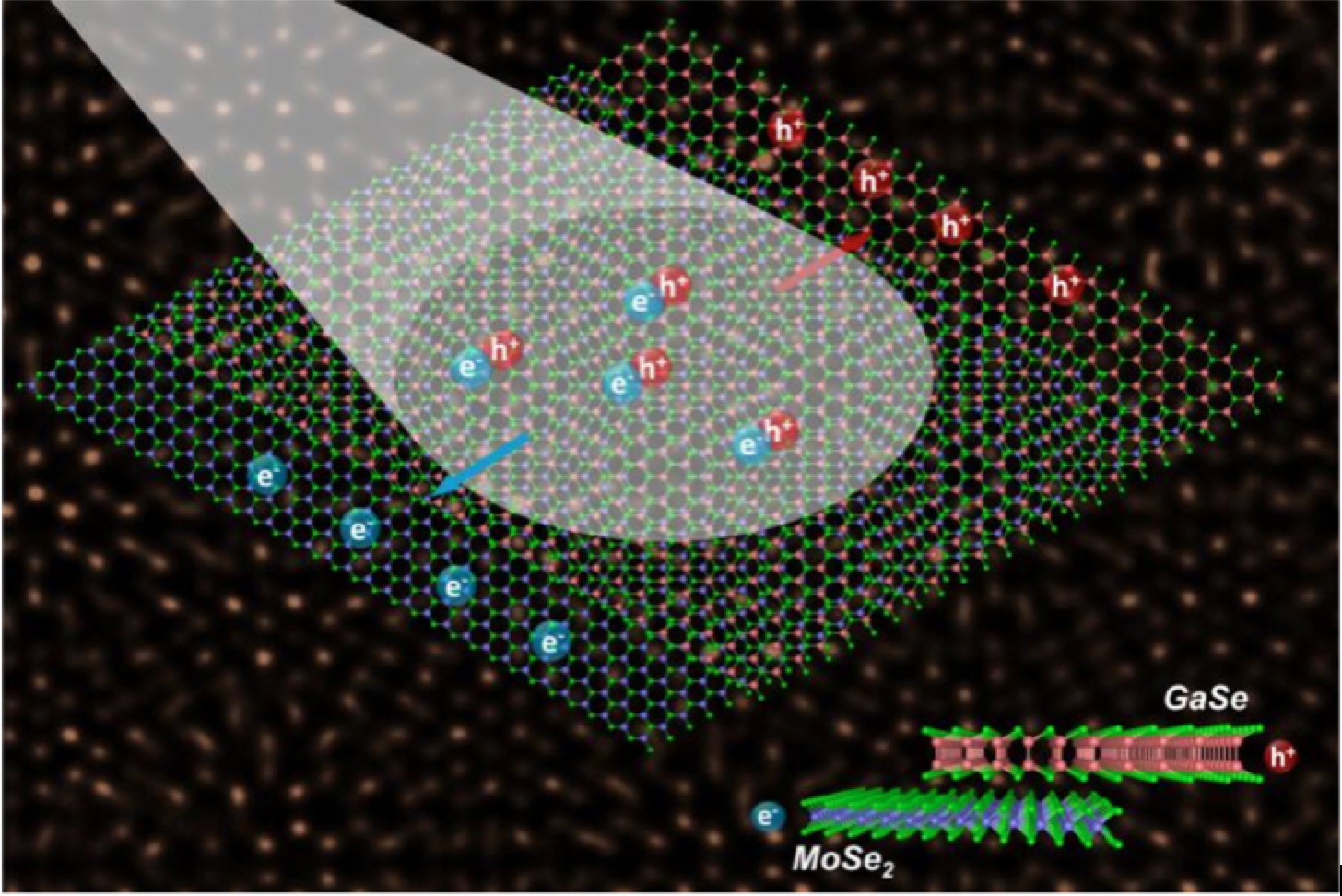
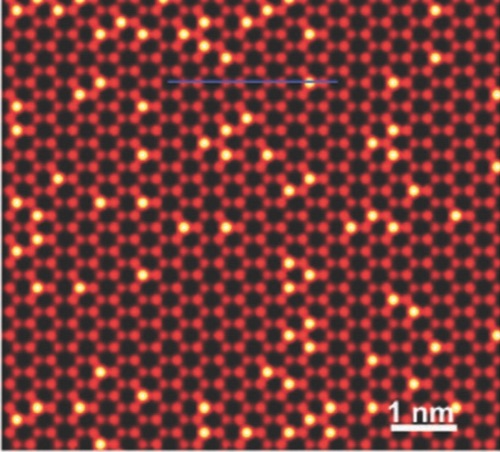
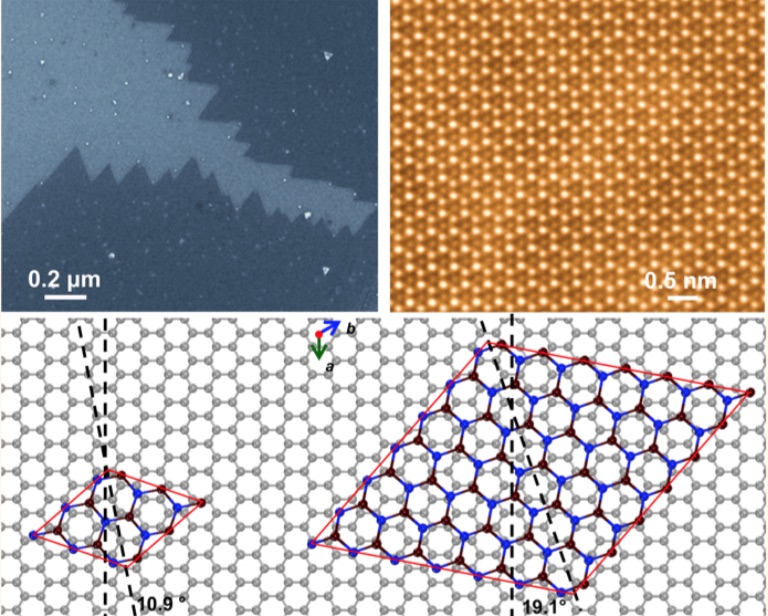
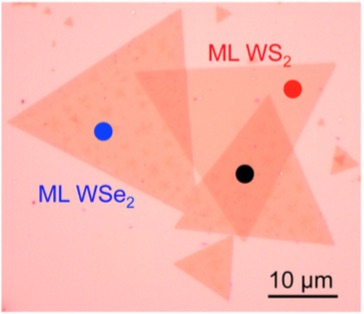
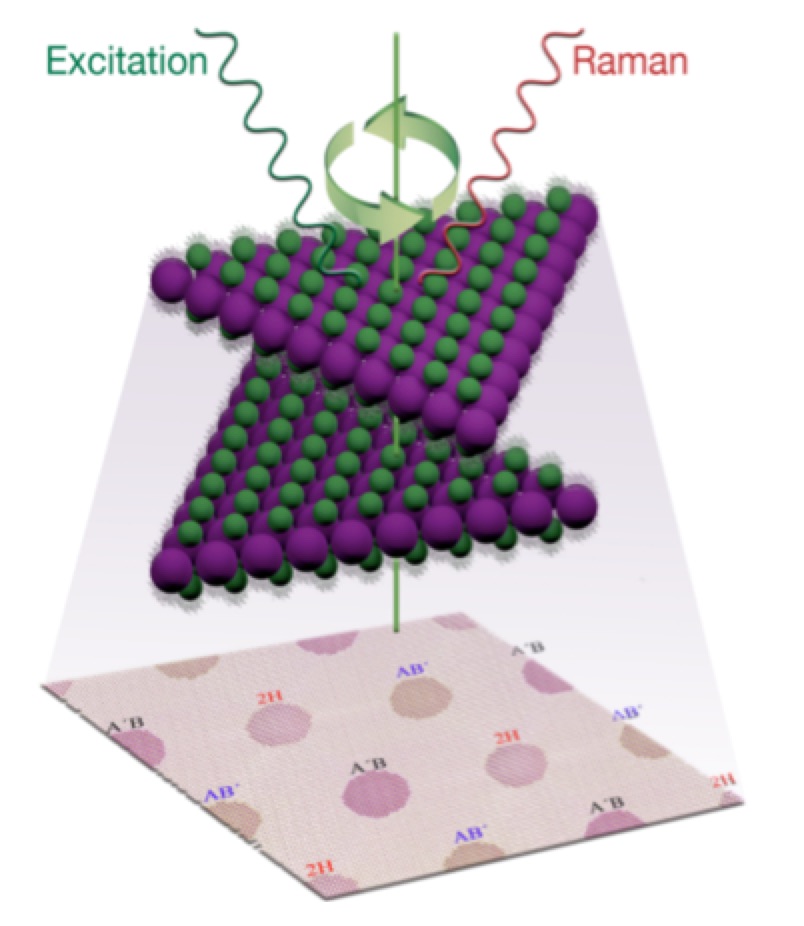
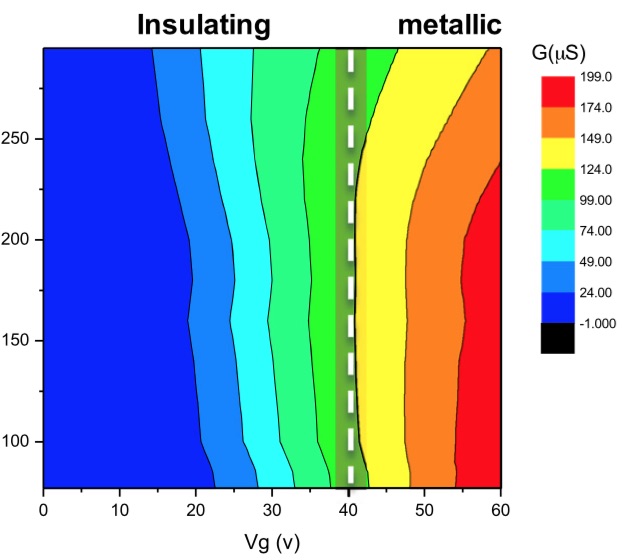


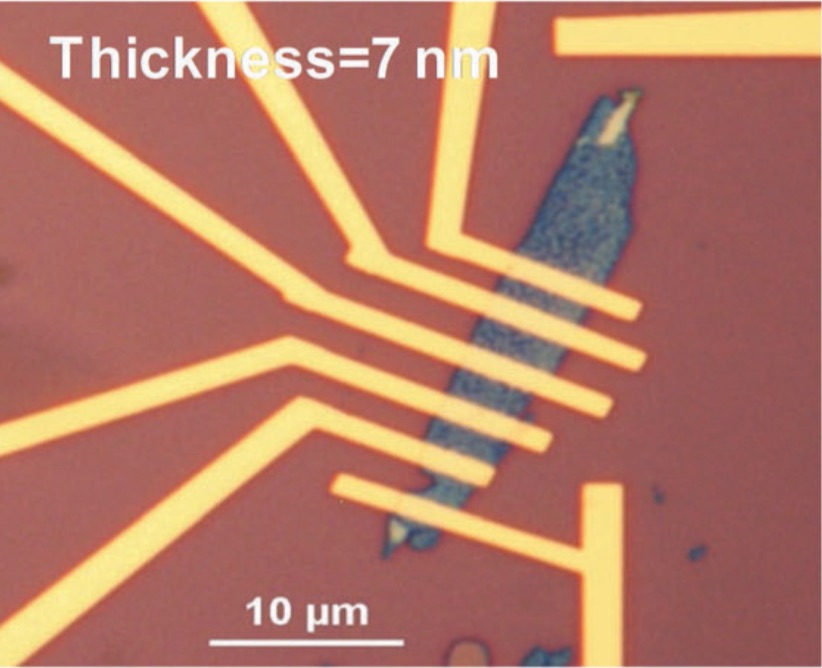
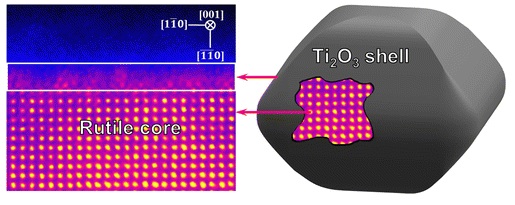


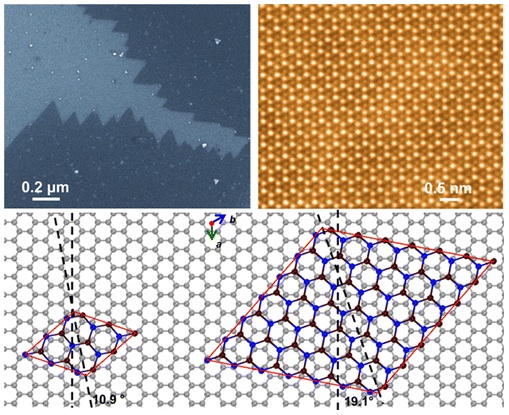
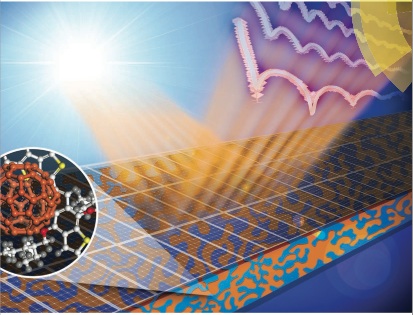
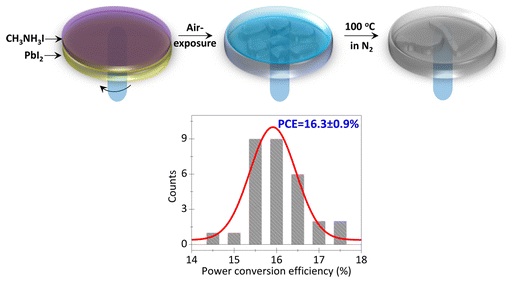

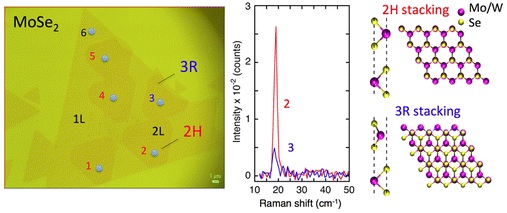
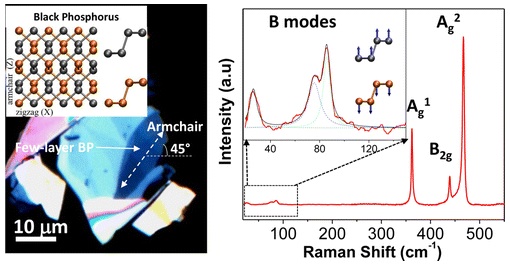
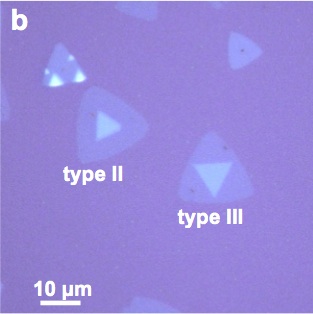
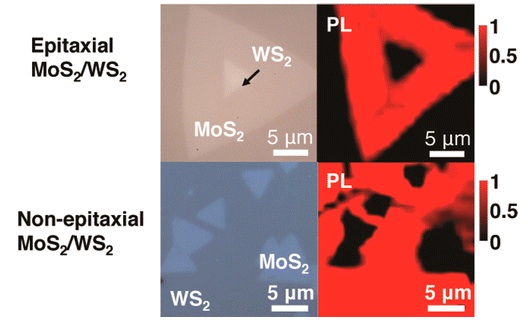
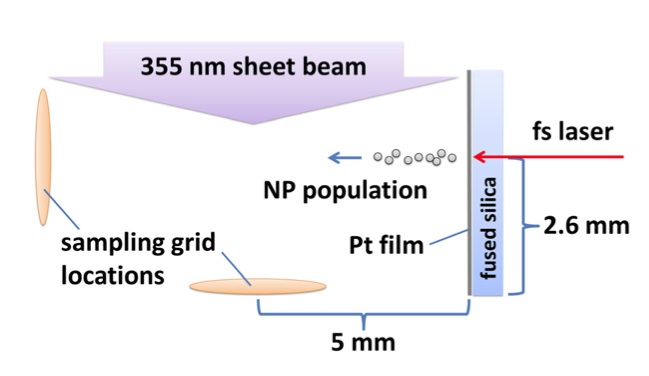

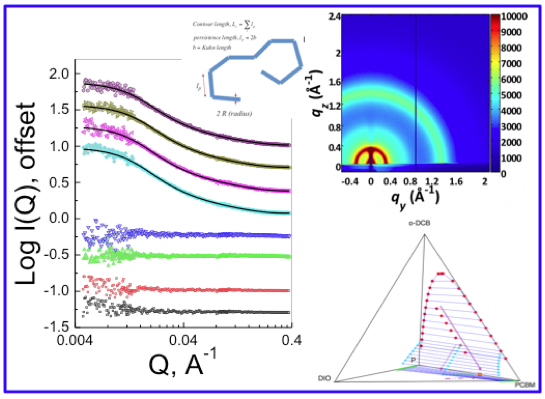


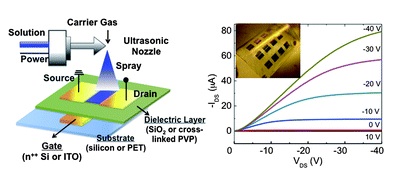

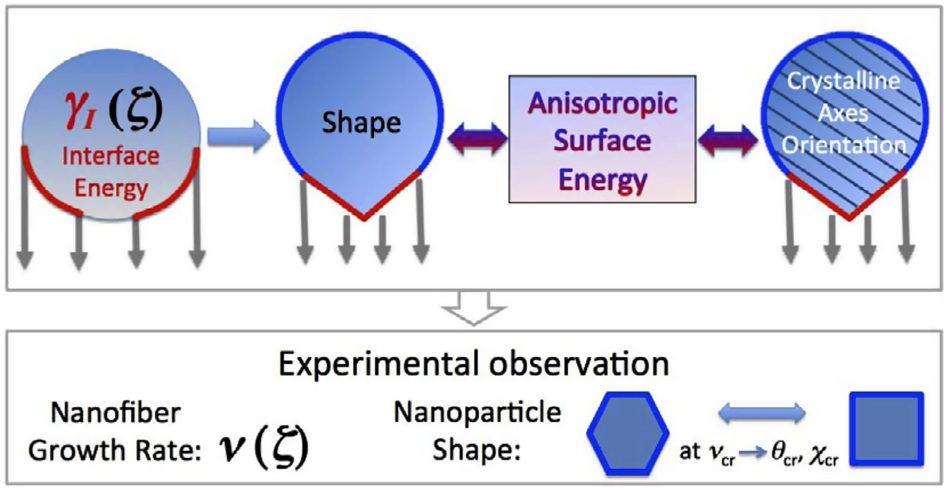

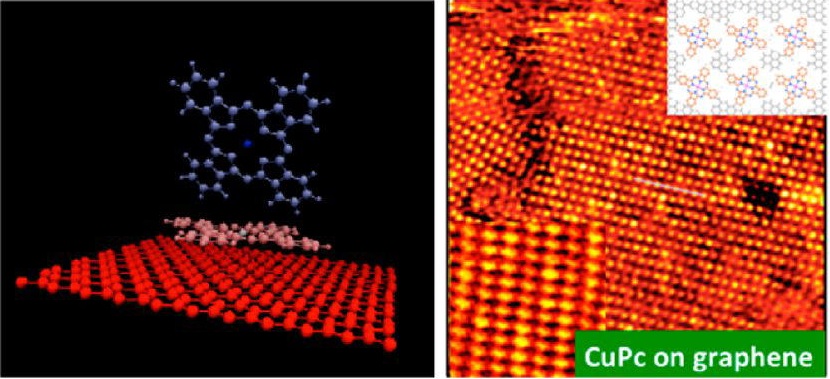

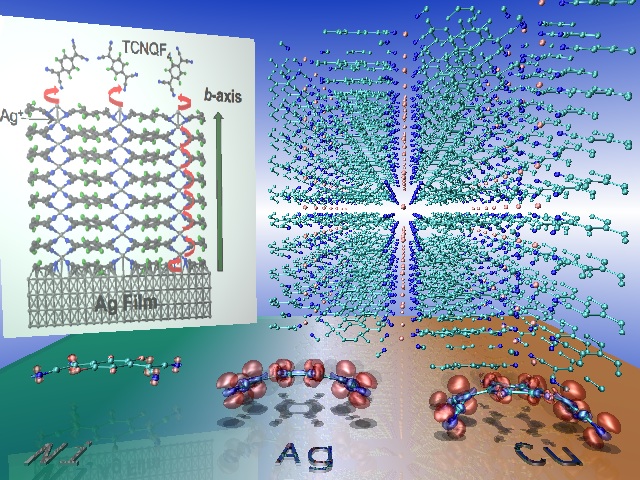

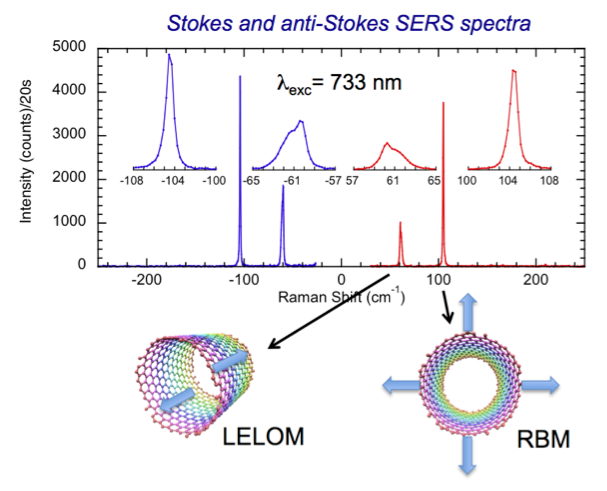


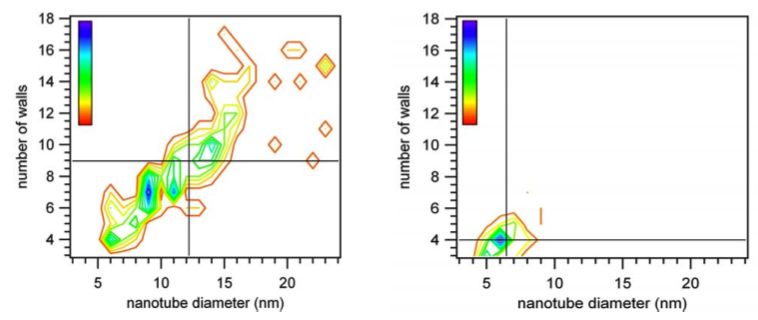


 Cover (larger image)