


Reducing the energy consumption of the nation's buildings and resulting carbon emissions is essential to achieving a sustainable clean energy future. To address the enormous challenge, Oak Ridge National Laboratory is focused on developing new building technologies enabling grid-interactive efficient buildings that provide beneficial effects to energy security and affordability, resilience, environment, and U.S. economy.
There are over 120 million buildings in the nation that account for 39% of U.S. carbon emissions and consume approximately 40% of the nation's total primary energy, 73% of electricity, and 55% of natural gas (34% of natural gas excluding gas used to generate electricity consumed in buildings). The DOE’s Building Technologies Office’s long-term goal is to reduce this energy consumption of U.S. buildings by 50% and ORNL is contributing to the goal through delivering scientific discoveries and technical breakthroughs to accelerate affordable building energy efficiency solutions from materials, components, and systems to whole building and community integration.
ORNL’s building technologies R&D efforts include the development of current and next-generation technologies encompassing building equipment, passive and dynamic envelopes, advanced energy storage, building energy modeling, sensors, transactive controls and improved energy management and market transformation in all these areas.
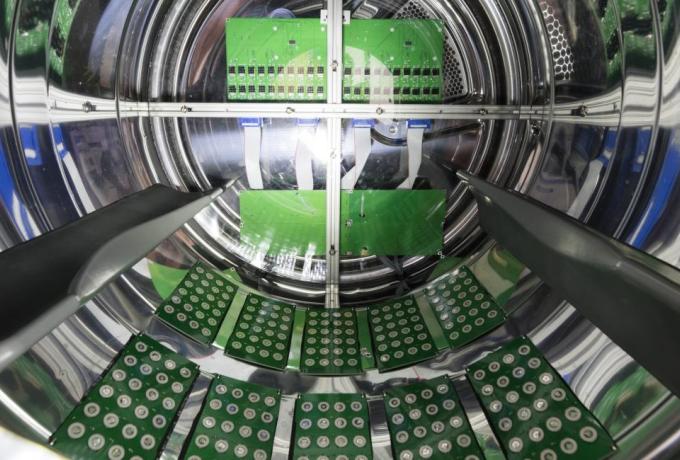
Energy Efficient Equipment
Energy Efficient Equipment
ORNL’s R&D supports the development of affordable next-generation transformative energy efficient technologies enabling building equipment and system to play an active role in grid-interactive efficient buildings.
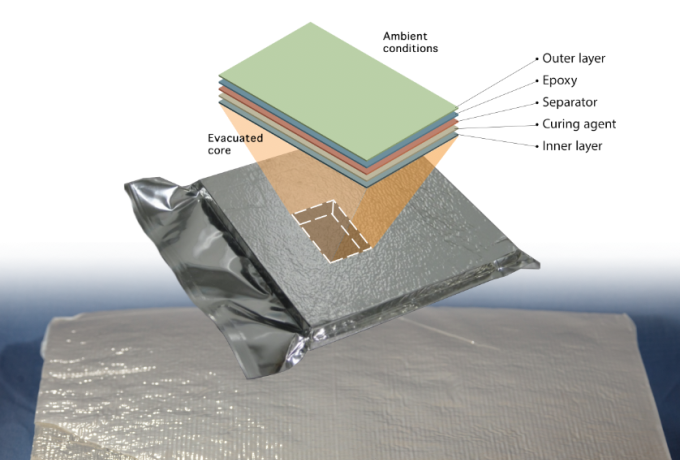
Building Envelopes
Building Envelopes
To cost-effectively improve the energy efficiency, moisture-durability, and environmental sustainability of building envelopes, ORNL is exploring new and emerging materials, components, and systems as well as the fundamentals of heat, air, and moisture transfer.
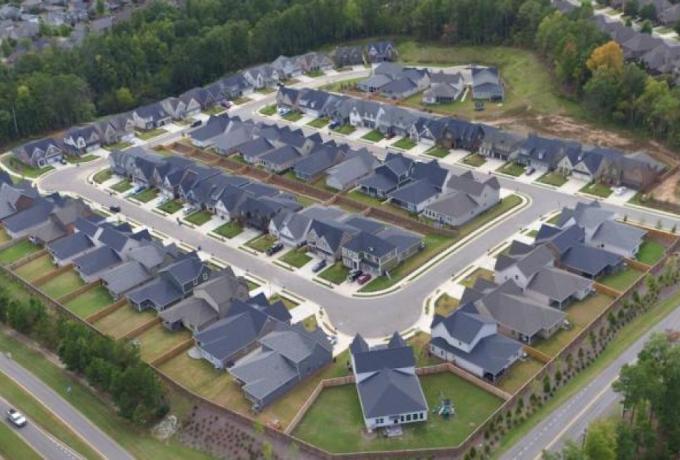
Controls/Buildings to Grid
Controls/Buildings to Grid
ORNL’s buildings to grid R&D is focused on the development of low-cost wireless sensors and advanced transactive controls technologies to enable buildings to grid connectivity.
Technology to Market
Technology to Market
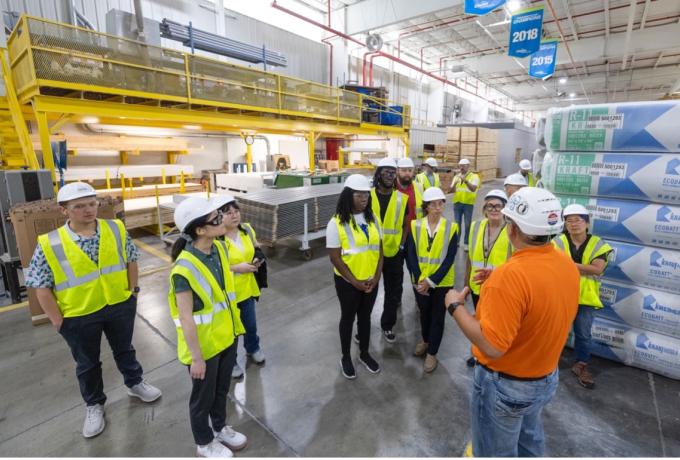
The Department of Energy’s Technology to Market subprogram pilots and evaluates innovative programs that eliminate common barriers promising technologies face along the pathway to market.
Thermal Energy Storage
Thermal Energy Storage
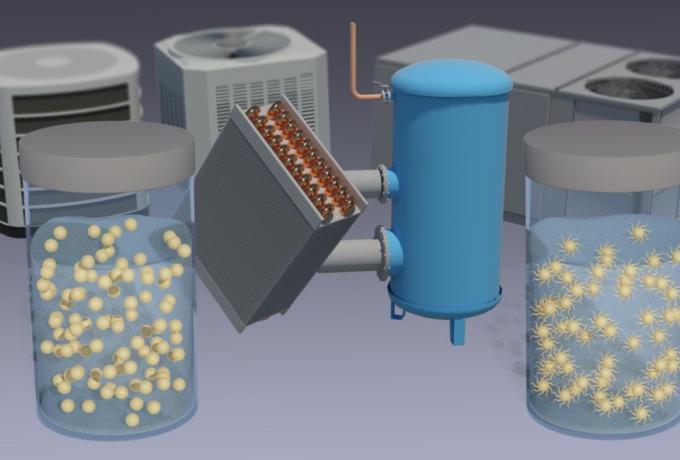
ORNL conducts research on the development, demonstration and deployment of cost-effective, integrated energy storage technologies for building applications.